India's plastic waste crisis deepens as enforcement of bans falters nationwide
India’s waste management system faces persistent challenges, particularly with single-use plastics and non-recyclable bags. Despite regulations, enforcement remains weak, and many states struggle to keep banned items out of circulation. Experts now suggest stricter accountability and better funding to turn the tide. Current rules have failed to stop single-use plastics and non-recyclable carry bags from flooding urban markets. Even states with strong administrative systems find it difficult to enforce bans, partly because neighbouring Union Territories have looser regulations. This inconsistency allows banned items to slip back into circulation.
Local authorities could be held legally responsible for enforcement failures. This shift would push them to take stricter action against violations. However, rural bodies lack the funds and training to implement waste rules effectively. Without upgrades, they will continue to lag behind.
Communities have also called for a clear system to buy back compost. A transparent process would encourage households to separate biodegradable waste properly. Waste agencies must prioritise this to build trust and participation.
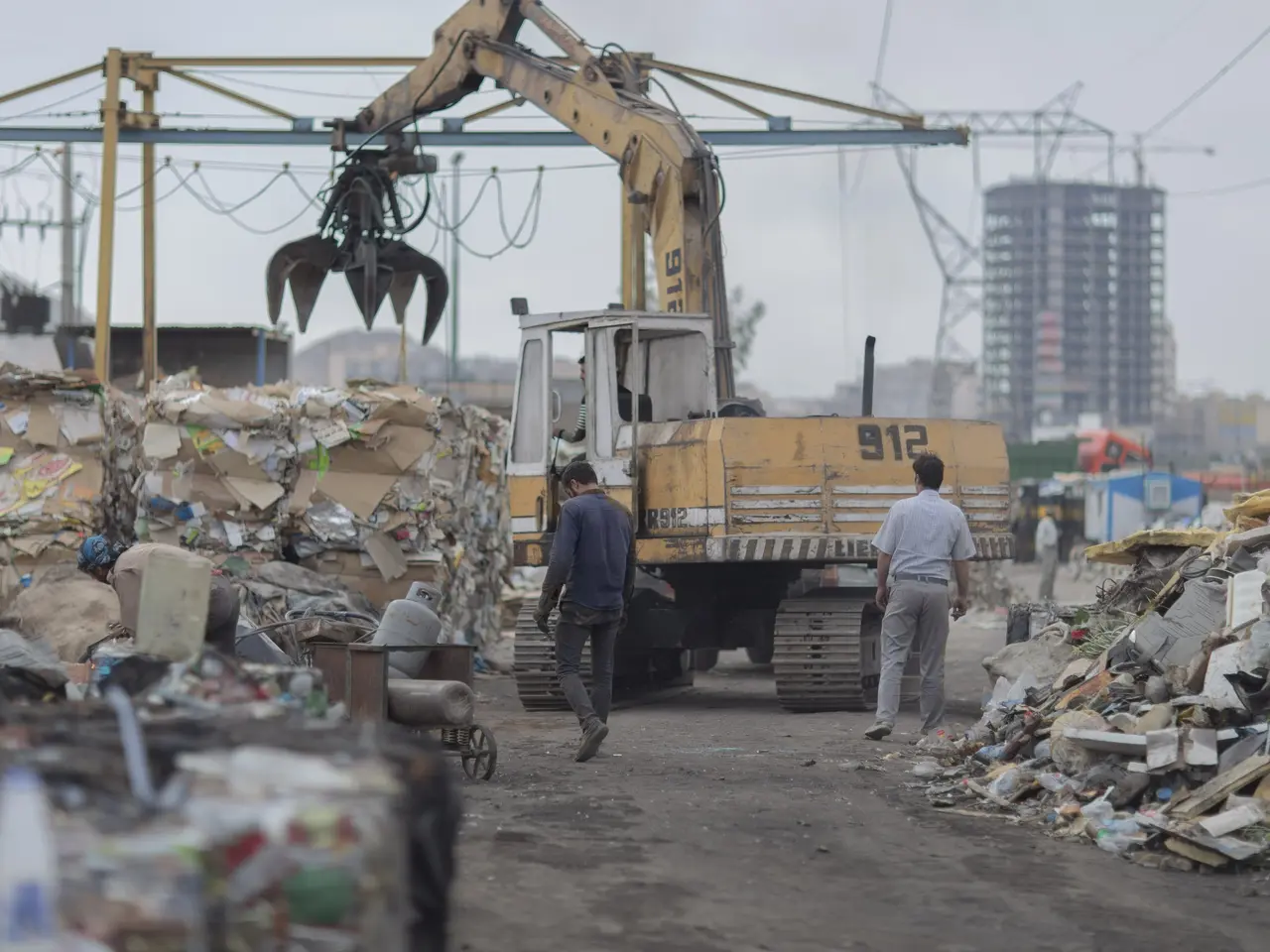
Informal waste pickers already play a key role by collecting recyclables door-to-door. But mixed waste still ends up in landfills because high-volume sorting is needed. Cities must invest in advanced engineering systems to recover materials and reduce landfill use.
Manufacturers, too, have a responsibility under extended producer rules. They must take back and dispose of packaging waste, yet compliance remains uneven. To improve oversight, an online public portal should be launched within six months to track enforcement progress. Stricter liability for local authorities and better funding could tighten waste management enforcement. A compost buy-back scheme and an online tracking portal would add transparency. Without these changes, single-use plastics and non-recyclable waste will keep burdening cities and landfills.