How London quietly controls the global prices of oil and gold
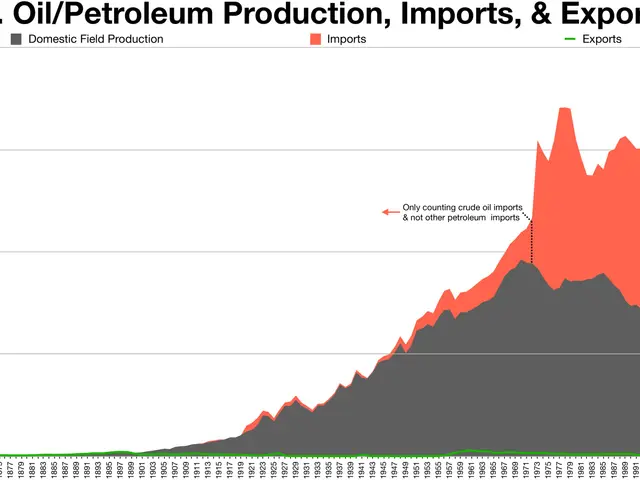
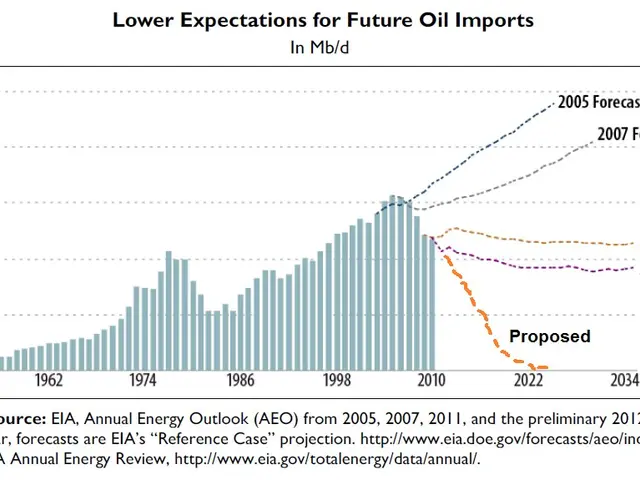
London plays a pivotal role in setting prices for two of the world’s most vital commodities: oil and gold. The city’s markets influence everything from fuel costs to central bank reserves. Both Brent crude oil and gold benchmarks are determined here, shaping global trade and investment decisions. Brent crude oil, traded on London’s ICE Futures Europe exchange, serves as the pricing reference for around 80% of the world’s petroleum. Despite representing only a small fraction of global production, its light and sweet properties make it easier and cheaper to refine into petrol and diesel. This benchmark status extends across the Middle East and beyond, even though the region produces heavier crude varieties.
The London Bullion Market Association (LBMA) also operates from the city, setting gold prices twice daily through electronic auctions. These auctions provide a transparent benchmark for global trading. London’s dominance in gold is further reinforced by its vast network of secure vaults, which hold the world’s largest stockpile of the metal. This infrastructure enables rapid, high-volume transactions and settlements. Global gold production hit record levels in 2025, with further increases expected in 2026 due to rising output from Canada and Africa. Unlike oil, which faces depletion in 47 to 50 years at current rates, gold retains its status as a safe-haven asset. Central banks and households continue to rely on it as a hedge against economic uncertainty, with no viable substitutes in sight.
The concentration of oil and gold trading in London ensures the city’s lasting influence over global markets. For countries like India, securing long-term oil contracts with producers such as Iran and Russia could cut transport and insurance costs. Meanwhile, gold’s enduring appeal as a financial safeguard keeps demand steady, even as production climbs.