How Strong Workplace Safety Measures Cut Costs and Save Lives
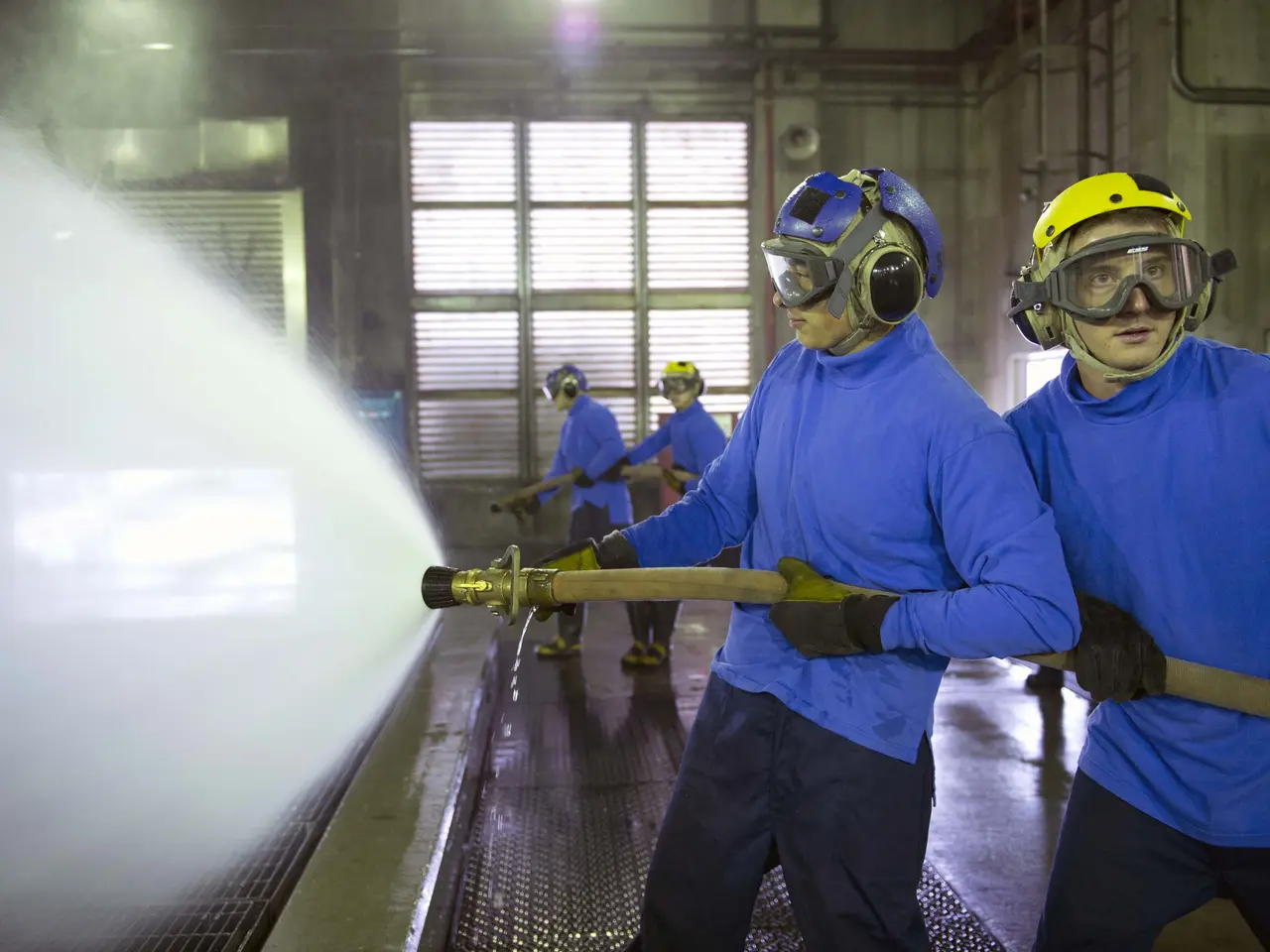
Workplace injuries and incidents cost U.S. businesses billions each year in compensation, medical expenses, and lost productivity. Beyond financial strain, poor safety measures put employees at risk of slips, strains, and other preventable harm. Experts now highlight key steps to strengthen workplace safety and reduce hazards. A structured safety program forms the foundation of any secure workplace. Written policies must cover emergency procedures, hazard communication, and the proper use of protective equipment. Incident reporting should also be clearly outlined to ensure quick action when risks arise.
Regular hazard assessments help identify dangers before they cause harm. These checks should examine physical, chemical, ergonomic, and behavioural risks. By spotting issues early, businesses can take corrective action and prevent accidents.
Employee training plays a vital role in maintaining safety standards. Workers need ongoing instruction on job-specific hazards, emergency responses, and recognising warning signs. Well-trained staff are better prepared to act safely and report concerns.
Technology and small improvements can also cut down on common injuries. Simple changes—like better flooring, ergonomic tools, or automated alerts—reduce slips, strains, and overexertion. Investing in these solutions often pays off in fewer incidents.
Leadership must actively promote a strong safety culture. When managers visibly support safety rules and encourage open communication, employees feel more confident raising concerns. A zero-tolerance policy on workplace violence further reinforces security, with threat assessments and clear response plans for emergencies like fires, medical crises, or active threats.
Keeping thorough records ensures accountability and continuous improvement. Documentation of injuries, illnesses, training sessions, and inspections helps track progress and address recurring issues. Strong workplace safety measures protect employees and reduce financial risks for businesses. By implementing clear plans, regular training, and hazard assessments, companies can build resilience against accidents and operational disruptions. Proper compliance not only safeguards workers but also strengthens long-term stability.