U.S. Aid Cuts Threaten Global Reproductive and LGBTQ+ Healthcare Access
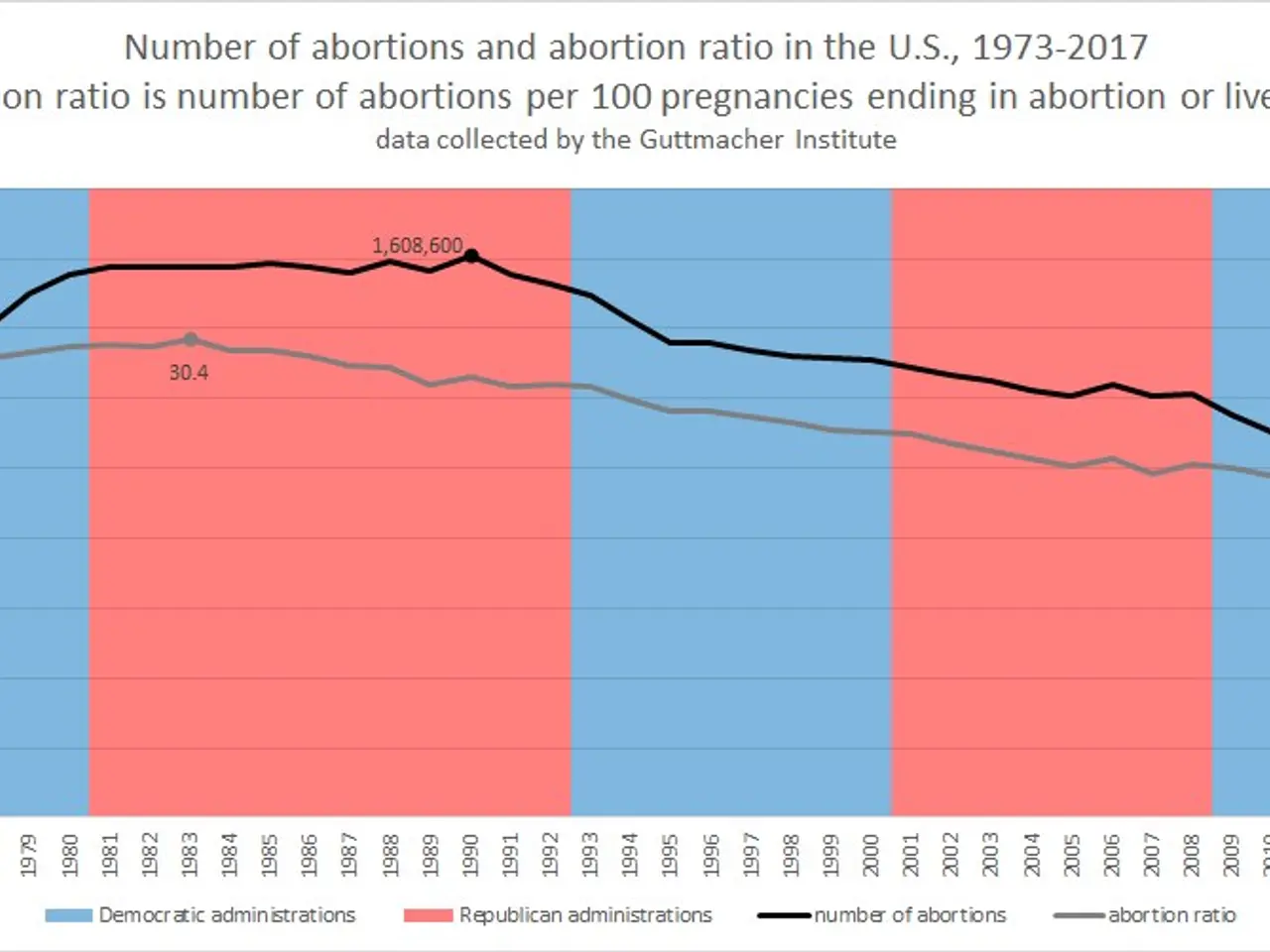
Aid organisations worldwide are grappling with the fallout of U.S. funding restrictions on reproductive and LGBTQ+ rights. The policies, tightened under former President Donald Trump, have forced groups like Oxfam and MSI Reproductive Choices to make difficult decisions about which services to prioritise. Some now warn that lives are at risk due to reduced access to essential healthcare. The Mexico City policy, first introduced in 1985, prohibits U.S. funding for foreign groups offering abortion counselling or referrals. Under Trump, the rule expanded in 2017 to block aid for organisations that even advocate for LGBTQ+ rights or provide gender-affirming care. The changes also cut funding for groups receiving money from other sources for abortion services.
Oxfam’s partners in regions like southern Africa now face a dilemma: some push for gender equality, while others avoid the topic entirely to keep U.S. support. Erin Kiley, director of international programs at Oxfam Canada, stated that these restrictions lead to preventable deaths by cutting off vital assistance.
Research links the policy to a rise in unintended pregnancies and unsafe abortions across multiple countries. MSI Reproductive Choices reported a 20% surge in demand for sexual health services after Trump’s aid cuts took effect. Meanwhile, Jessica Stern, the U.S. special envoy on LGBTQ+ rights, urged organisations to accept funding where possible—even if it means complying with the restrictions.
Canada has seen similar policies before. In 2010, Stephen Harper’s Conservative government increased maternal health funding but barred its use for abortion services. Now, Canadian aid groups are debating how to respond to the latest U.S. measures. Calls have grown for Prime Minister Mark Carney to build a coalition of nations to protect sexual health programmes from further rollbacks. The restrictions have left aid providers with fewer resources and harder choices. Demand for reproductive healthcare has climbed, while funding gaps threaten programmes that save lives. Without intervention, advocates warn, the consequences will continue to spread in vulnerable communities.