How ERP software is transforming business operations and decision-making
Businesses are increasingly turning to enterprise resource planning (ERP) software to streamline their operations. This technology acts as a central hub, linking key functions like finance, inventory, and customer relations into one system. With the global cloud ERP market set to nearly double by 2029, companies face important decisions about which system best fits their needs. ERP software integrates a company’s core activities onto a single platform. It connects departments, ensuring smoother workflows and better visibility across the organisation. Common modules cover financial management, inventory control, procurement, manufacturing, CRM, and human resources.
Many firms adopt ERP to automate repetitive tasks, such as order processing and stock tracking. By centralising data, these systems also help leaders make more informed decisions. However, choosing the right ERP solution is critical—research by Gartner suggests that 70% of recent ERP projects will fail to meet their original goals by 2027.
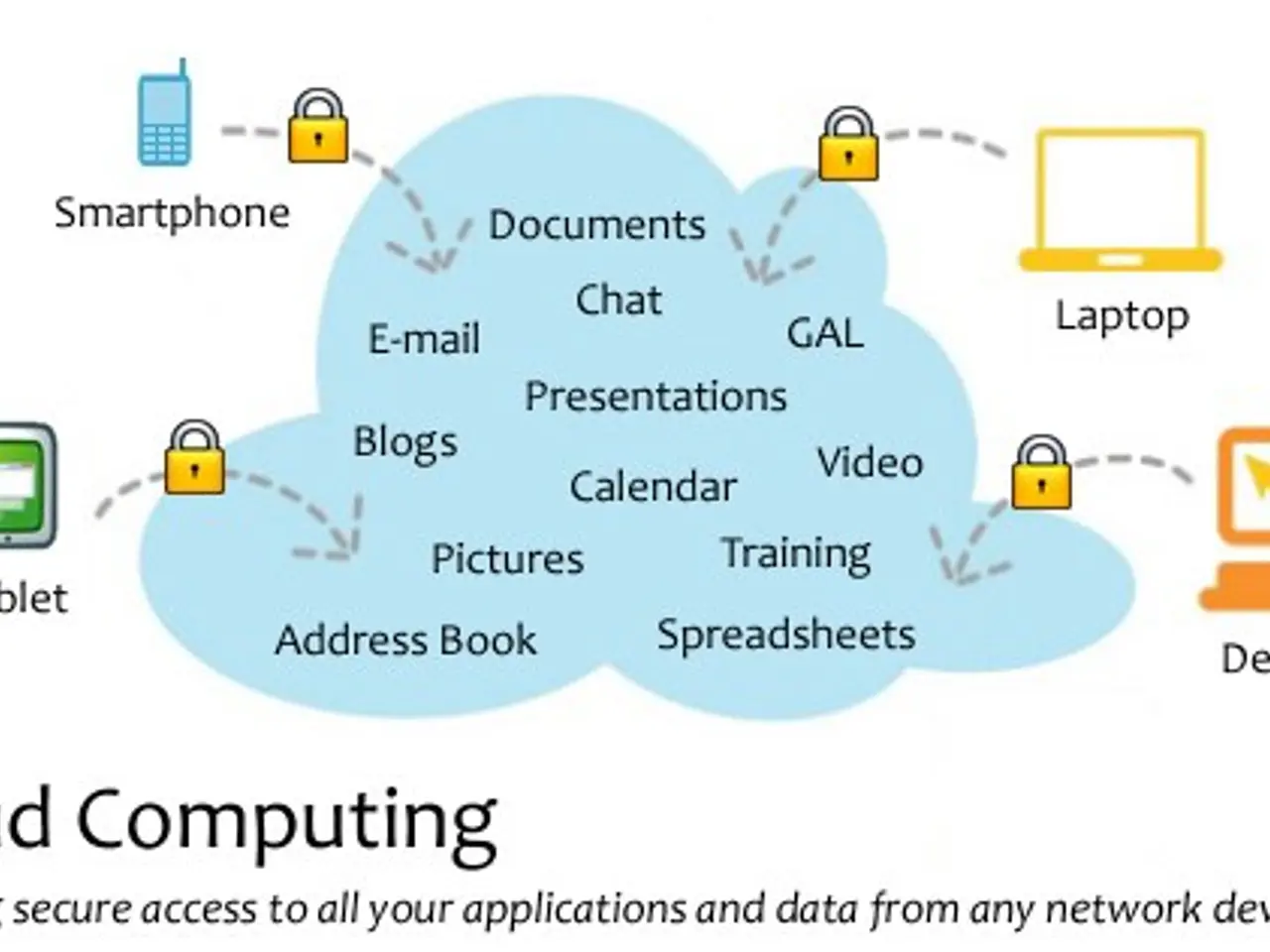
ERP systems come in two main forms: cloud-based and on-premise. Cloud solutions are hosted remotely and accessed online, while on-premise versions run on a company’s own servers. The best choice depends on factors like industry, operational complexity, and long-term growth plans. ERP software is widely viewed as a long-term investment that supports business expansion and efficiency. As the market continues to grow, companies must carefully assess their options to avoid costly missteps. The right system can enhance productivity, reduce manual work, and provide clearer insights into operations.