Rapidly developing lake set to reach capacity in the upcoming hours.
Dammed River Threatens Flooding in Swiss Valley Following Glacier Collapse
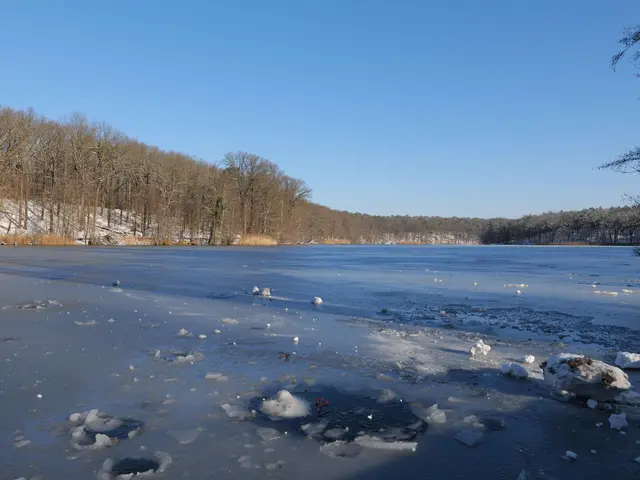
A crisis looms in Switzerland's Lötschental valley as debris from a recent glacier collapse has created a dam within the Lonza riverbed, causing a swift-rising lake. Officials anticipate overflow within hours, potentially affecting nearby villages.
Ice and rock debris, following the collapse of the Birch Glacier, has obstructed the Lonza river, resulting in the formation of a lake. According to initial reports, the water level has risen as high as three meters per hour, although the rate has slowed. The lake is expanding steadily, posing a threat of imminent overflow.
Christian Studer of the Natural Hazards Service expressed the intention of predicting the course of events and ensuring the safety of downstream populations. Experts are working tirelessly, analyzing data, and employing computer models to estimate the potential aftermath.
At least 16 people have been evacuated from four villages downstream, including Wiler, Kippel, Blatten, and Ferden.
While a substantial wave of water rushing through the valley is deemed unlikely, the possibility cannot be entirely ruled out. The rising water pressure may cause the debris dam to break suddenly, releasing the vast water masses. Additionally, meteorologists predict temperatures of 20 degrees Celsius on Friday, which will further melt the snow and increase water volumes.
According to Studer, a slower outflow is more probable, with the lake gradually emptying over time. The relatively flat slope of the debris pile is favorable in this regard. It's also possible that the water will flush away the debris, carrying it downstream. However, officials expect the debris flow to be manageable, with an imminent blockage at the Ferden dam preventing major discharge.
The mountainous area remains perilous. The threat of avalanches from the Kleine Nesthorn, possibly involving hundreds of thousands of cubic meters of rock, as well as debris avalanches on the opposite side of the valley, persists. Moreover, the stability of the actual debris pile and potential water pockets within the ice remains uncertain.
Meanwhile, Blatten, the last village in the Lötschental valley, has seen additional devastation. Drone footage reveals that a meter-high layer of debris covers a significant portion of the village. Around 300 residents were evacuated last week. One local resident remains missing.
This event is the latest in a series of catastrophes linked to the rapid melting of Alpine glaciers due to climate change. Swiss glaciers alone lost 10% of their mass in just two years, according to researchers.
References: ntv.de, hul/dpa/AFP
- Switzerland
- Glaciers
- Natural disasters
- Climate change
- Alps
- Local environmental science experts are closely monitoring the situation, using computer models and data analysis to predict the impact of the growing lake on the nearby communities in the Lötschental valley, as the threat of climate-change-induced glacier collapse continues to pose risks to the region.
- In the face of this environmental crisis, the Swiss government has facilitated evacuations from villages downstream, such as Wiler, Kippel, Blatten, and Ferden, and is now focusing on managing the potential influx of water and debris, as debated policy discussions and general-news reports highlight the dire consequences of climate-change-induced environmental deterioration.
- The ongoing climate-change-induced glacier melting in the Alpine region, including Switzerland, has become a hot topic in political environmental-science discussions, with scientists warning of the impending ramifications for global climate change and the environment, as well as the urgent need for comprehensive community policies and prevention measures to protect lives and the environment from further natural disasters.