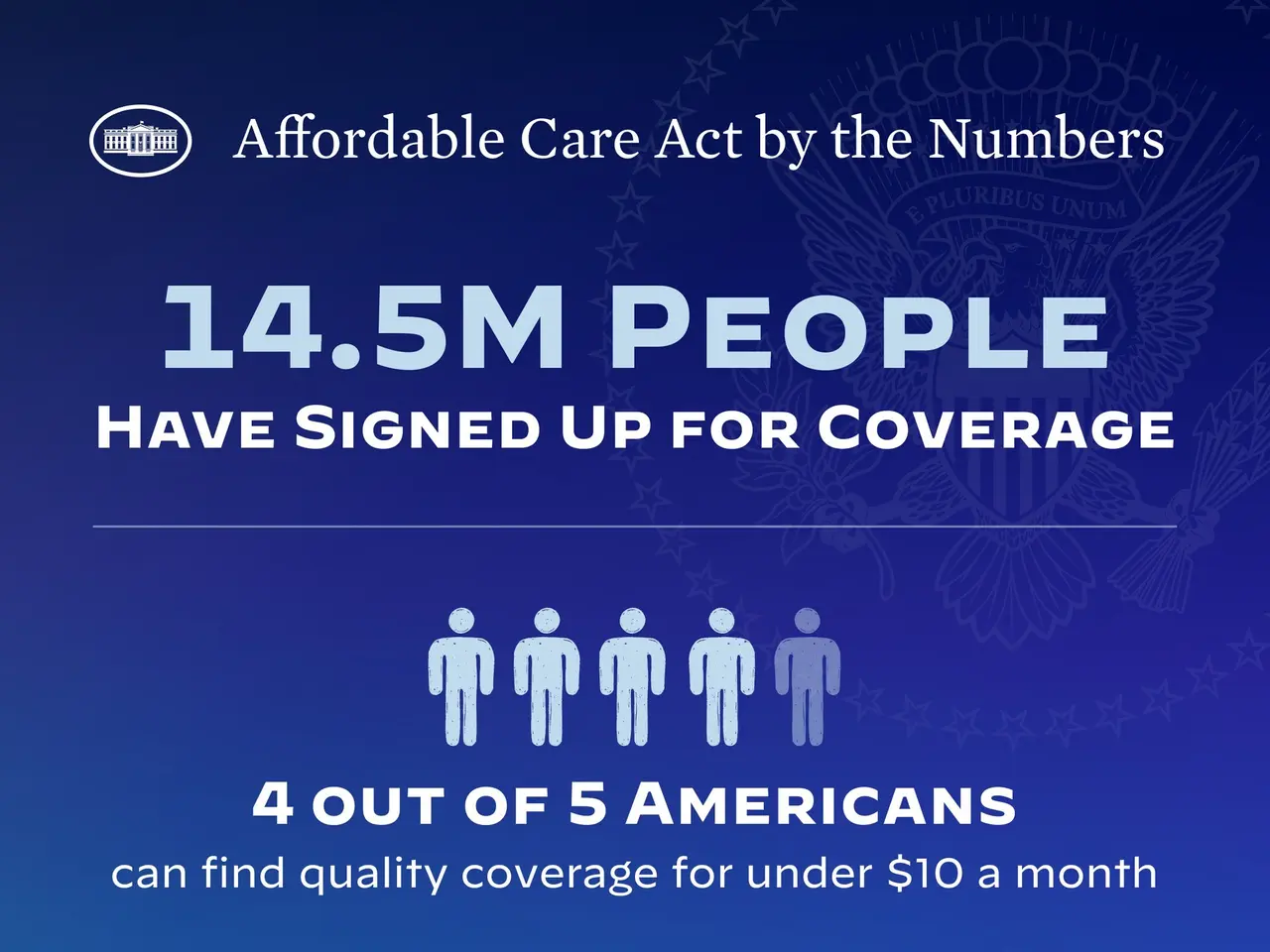
Marketplace plans from the ACA no longer feel very affordable to many people.
Millions face healthcare crisis as ACA subsidies expire and Medicaid gaps widen
Clinicians are bracing for the influx of newly uninsured patients. They're also concerned that people won't know about alternative ways to get medical care.
FQHCs are partially funded by the federal government. Although they do not usually offer free care, their fees tend to be lower or on a sliding scale.
Hospital pharmacies have distributed medication donated by pharmaceutical companies to 277 sites in 38 states.
Hospitals will also have to find a way to care for more patients who cannot pay. Industry groups have been vocal about the threat to hospitals' financial health.
The impact might be most acute in states that have not expanded Medicaid to cover people who work but do not have job-based insurance and cannot afford it on their own.
Ten states have chosen not to expand Medicaid to uninsured, low-income adults - an optional provision of the ACA that is mainly paid for by federal funds.
Dumping Coverage
Marketplace plans from the Affordable Care Act no longer feel very affordable to many people, because Congress did not extend a package of enhanced subsidies that expired at the end of 2025. An estimated 4.8 million will go without coverage this year.
But even without a health plan, people will still need medical care. Many, like the Sorys, have been thinking through their plan B to maintain their health.
The Sorys both lost jobs in November, within days of each other. Robert worked as a farmhand. Emily worked at a staffing firm and lost her insurance along with her position.
Workarounds for the Newly Uninsured
To keep kibble in the food bowls, the Sorys are prepping for an uninsured future. They see the same psychiatrist and met with him to make a plan. He was willing to work with them by charging $125 per visit. They'll have to go every three months to keep their prescriptions current.
And if other medical problems emerge? They're hoping for the best.
Donated Drugs and Sliding Scales
Hospitals and clinics are bracing for the influx of newly uninsured patients. They're also concerned that people won't know about alternative ways to get medical care.
FQHCs are partially funded by the federal government. Although they do not usually offer free care, their fees tend to be lower or on a sliding scale.
Many hospital pharmacies also partner with the nonprofit, which has distributed medication donated by pharmaceutical companies to 277 sites in 38 states.
A Medicaid 'Gap' in 10 States
Hospitals will also have to find a way to care for more patients who cannot pay. Industry groups such as the Federation of American Hospitals have been vocal about the threat to hospitals' financial health and have urged Congress to extend the enhanced subsidies, which take the form of tax credits.
The impact might be most acute in states like Tennessee that have not expanded Medicaid to cover people who work but do not have job-based insurance and cannot afford it on their own.
Ten states have chosen not to expand Medicaid to uninsured, low-income adults - an optional provision of the ACA that is mainly paid for by federal funds.
This Medicaid "gap" is expected to cause uninsured rates to jump, at the high end of the spectrum, by as much as 65% in Mississippi and by 50% in South Carolina, according to the Urban Institute.
As Emily Sory pets a Russian fox, she admits she is keenly aware that she will soon become part of this growing population. After all, her last job involved health care staffing. Her mother is a nurse.
"I understand the system. And I get it's people like me that don't pay their bill are why it suffers. And I feel bad," she said. "But at the same time, I don't have the money to pay it."