Mexico City protests escalate as World Cup 2026 fuels human rights outcry
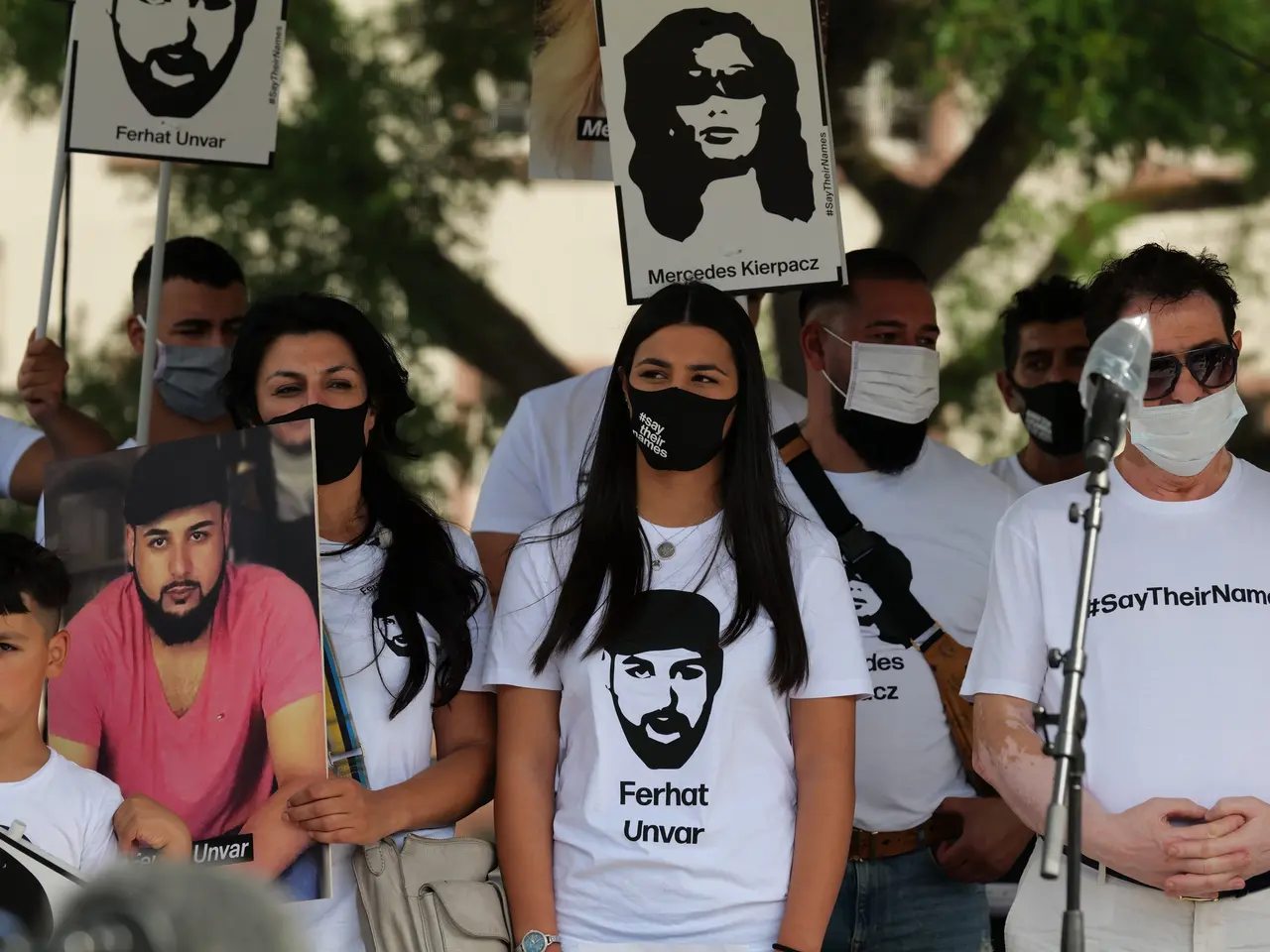
Protests have erupted across Mexico City as activists demand action on human rights issues ahead of the 2026 World Cup. Families of the disappeared and local residents have staged demonstrations, accusing authorities of neglecting urgent crises like forced disappearances and gentrification.
Meanwhile, UN officials met with President Claudia Sheinbaum to discuss cooperation on human rights concerns, including the rising number of missing persons. Over the weekend, residents near the National School of Anthropology and History (ENAH) organised an 'Anti-World Cup Mega Challenge'. They covered tournament advertisements with flyers denouncing gentrification, water shortages, and labour precarity linked to the upcoming event. The protest highlighted long-standing grievances against infrastructure projects tied to the World Cup.
A separate demonstration took place outside Estadio Banorte before the Cruz Azul vs. Atlas match. Activists used the football event to draw attention to Mexico’s missing persons crisis. Families of the disappeared accused the government of downplaying the issue, claiming the official figure of 43,128 eligible cases was far too low. They insisted the real number surpassed 133,500, calling the state’s report a distraction tactic.
The UN Committee on Enforced Disappearances has since urged Mexico to invoke Article 34, which would allow international assistance in locating the missing. This follows an Amnesty International report revealing a 10.5% increase in disappearances in 2026 alone. Meanwhile, UN High Commissioner for Human Rights Volker Türk held talks with President Sheinbaum to explore joint efforts on addressing these violations.
Such protests are not new in Mexican football. Previous matches have also served as platforms for activists to push for justice and accountability. The demonstrations come as pressure mounts on Mexican authorities to address systemic human rights failures. With the 2026 World Cup approaching, activists warn that infrastructure projects risk worsening inequality and displacement. The UN’s involvement signals growing international scrutiny over Mexico’s handling of disappearances and social inequality.