U.S. Motherhood Transforms as Birth Rates Drop and Costs Soar in 2025
Motherhood in the U.S. is changing in striking ways. More women are delaying parenthood, fewer teens are having babies, and the financial burden of raising children is growing. These shifts come as the country’s birth rates decline, while the role of Latina mothers in shaping the nation’s future becomes more prominent. In 2025, the U.S. recorded 3,606,400 births—a 1% decrease from the previous year. The general fertility rate also fell to 53.1 births per 1,000 women aged 15 to 44. Meanwhile, births to Hispanic mothers reached 982,253, compared with 1,780,377 to non-Hispanic white mothers, highlighting their growing demographic influence.
The teen birth rate hit a historic low of 11.7 births per 1,000 women aged 15 to 19. At the same time, childlessness among young women rose sharply: 85% of women aged 20 to 24 had no children in 2024, up from 75% a decade earlier.
Financial pressures play a major role in these trends. Childcare costs now range from £5,100 to £12,300 per year, pushing many to delay or reconsider having children. With the median age for first marriage at 30.2 for men and 28.6 for women, family formation is happening later in life. Over half of adults aged 18 to 29 have turned to dating apps, reflecting new ways of finding partners.
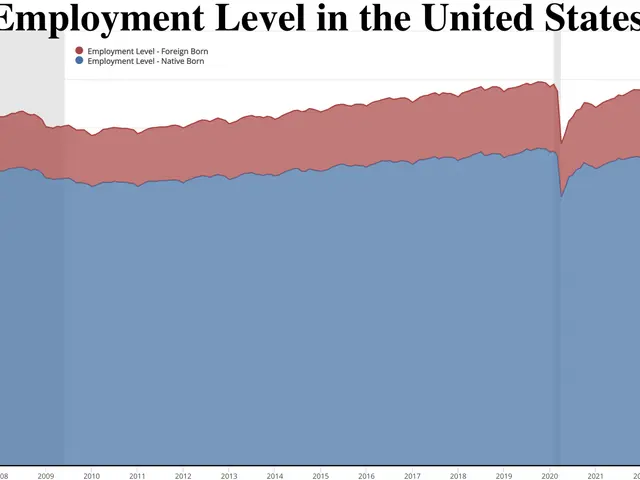
Despite these challenges, most mothers remain in the workforce. In 2025, 73.9% of mothers with children under 18 were employed, including 68% of those with children under six. Yet, while the economy relies on diverse families to support an aging population, federal support for these mothers often falls short. The U.S. now faces a complex reality: birth rates are declining, motherhood is more expensive, and younger generations are waiting longer to start families. As Latina mothers contribute increasingly to the nation’s demographic growth, the need for stronger support systems becomes clearer. Without it, the economic and social consequences of these shifts may deepen.