IUCN Welcomes 48 New Members to Strengthen Global Conservation Efforts
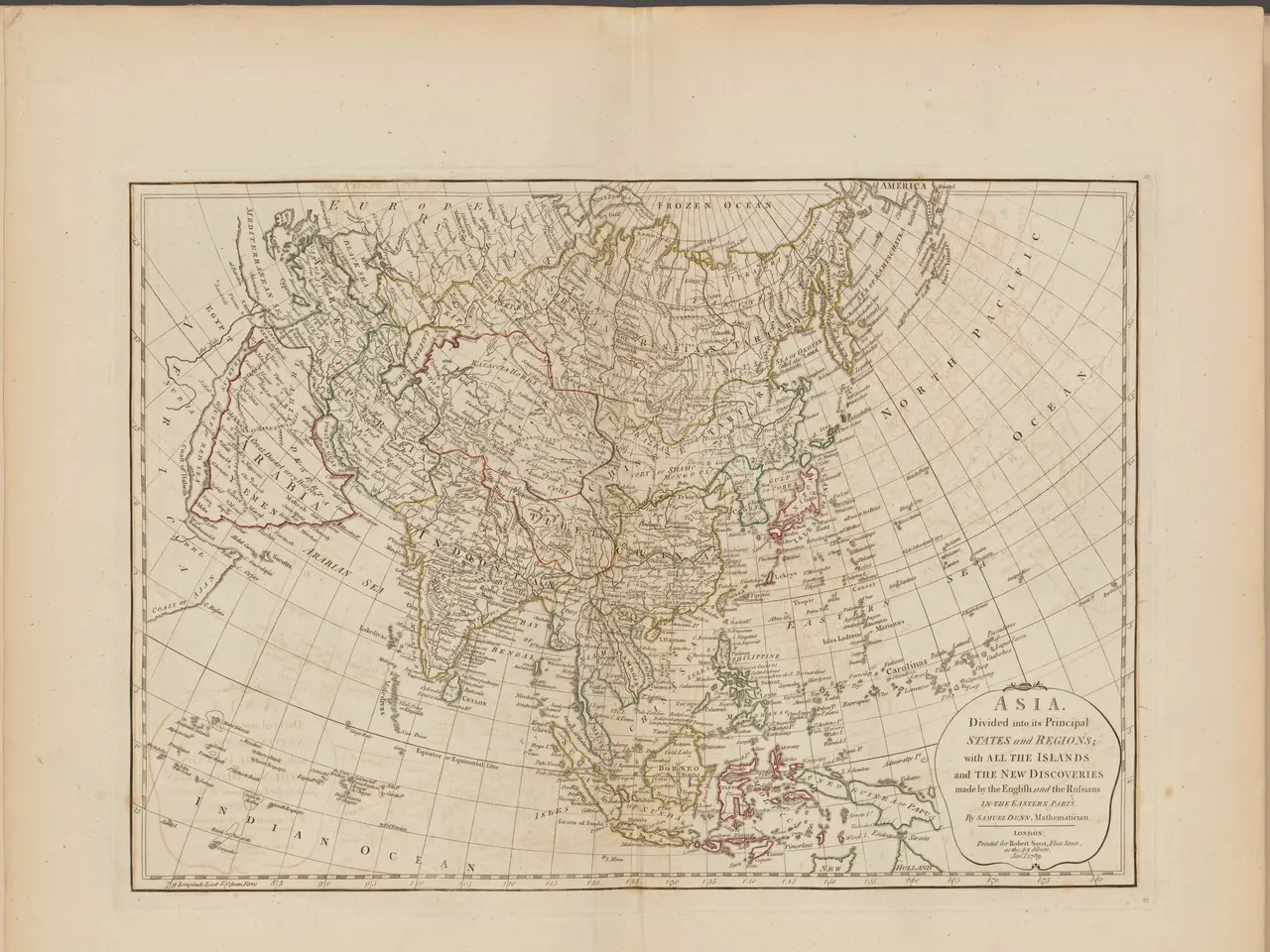
The International Union for Conservation of Nature (IUCN) has expanded its global network by welcoming 48 new members. The additions were approved during the organisation’s 117th Council meeting, raising its total membership to 1,600 worldwide. Among the new members, nine hail from Asia, reinforcing the region’s commitment to conservation and sustainable development. The nine Asian organisations bring diverse expertise to the IUCN. Civic Exchange, a Hong Kong-based think tank, focuses on environmental policy and urban livability through research and advocacy. Meanwhile, the Civil Engineering and Development Department, also from Hong Kong, balances large-scale infrastructure projects with environmental safeguards.
Jeollanamdo, a provincial authority in the Republic of Korea, contributes experience in coastal protection, marine conservation, and sustainable regional planning. From India, the Ashoka Trust for Research in Ecology and the Environment specialises in interdisciplinary environmental studies and conservation policy development.
In Nepal, the Panchhivid Sangh works on biodiversity protection and community-led conservation initiatives. Pakistan’s Punjab Forest Department plays a key role in forest preservation, wildlife management, and sustainable land use across the Punjab province.
These additions increase the IUCN’s Asian membership to 294 organisations. The new members include government agencies, research bodies, local authorities, and non-profits, broadening the network’s range of skills and regional influence. The expanded membership strengthens the IUCN’s capacity to address environmental challenges across Asia. The new organisations will contribute to conservation efforts, policy development, and sustainable practices in their respective regions. Their inclusion reflects a growing collaboration between research, governance, and community-led initiatives.