Injury on Construction Site: A Tragic Fall from Scaffolding
A young worker in Münsingen, Reutlingen district, was severely injured following a fall from a scaffolding. The 19-year-old was airlifted to a hospital following the incident on Tuesday. The incident, which occurred at a construction site, has intensified safety inspections at workplaces.
Despite stringent safety measures, accidents can still happen due to unforeseen circumstances. It's crucial to delve into the causes and prevention strategies of such incidents to promote safer work environments.
Why Scaffolding Accidents Happen
Scaffolding accidents are common due to various factors. Some of these reasons include:
- Defective or Poorly Installed Scaffolding: Scaffolding that is not set up according to the manufacturer's guidelines or local building codes can lead to accidents. Poor ground conditions also contribute to instability, increasing the risk of falls.
- Falls from Heights: Lack of fall protection, unstable platforms, and inadequate anchorage points can result in falls from scaffolding.
- Equipment Malfunction: Damaged or deteriorated scaffolding components or inadequate maintenance can lead to collapses and accidents.
- Human Error: Lack of training, inadequate supervision, and failure to follow safety protocols can result in scaffolding accidents.
- Environmental Factors: Weather conditions and debris can affect scaffolding stability, increasing the risk of accidents.
Preventing Scaffolding Accidents
To mitigate the risk of scaffolding accidents, it's essential to implement preventive measures. These include:
- Proper Installation and Design: Scaffolding should be installed by qualified personnel who adhere to manufacturer guidelines. Regular inspections and maintenance are also critical for maintaining scaffolding safety.
- Training and Competency: Workers should be thoroughly trained in scaffolding construction and safety procedures. Regular competency assessments ensure that only competent individuals are allowed to work on scaffolding.
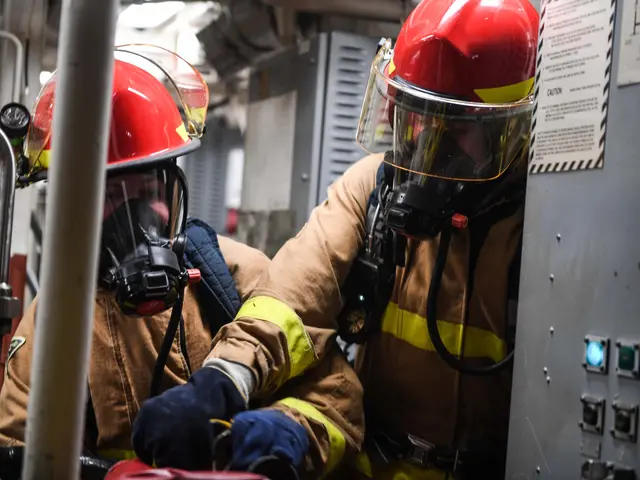
- Personal Protective Equipment (PPE): Workers should wear appropriate PPE, such as fall protection gear, head protection, and non-slip safety shoes.
- Safety Barriers and Guardrails: Guardrails and toe boards should be installed to prevent falls and debris from harming workers below.
- Clear Workspaces: Scaffolding should be kept clean and organized to minimize trip and fall hazards.
- Risk Assessments and Safety Protocols: Detailed risk assessments and method statements help identify potential hazards and outline safe scaffolding operations.
By implementing these measures, construction and work sites can significantly reduce the risk of scaffolding accidents and ensure a safer working environment for all.