Ukrainian film Vesna makes powerful Cannes debut amid war's shadow
Vesna, a new film by Ukrainian director Rostyslav Kyrpychenko, premiered at the 79th Cannes Film Festival on 18 May. The screening took place as part of the 'Special Screenings' programme at the Palais des Festivals. The story follows a priest in occupied Ukraine who risks his life to honour the dead.
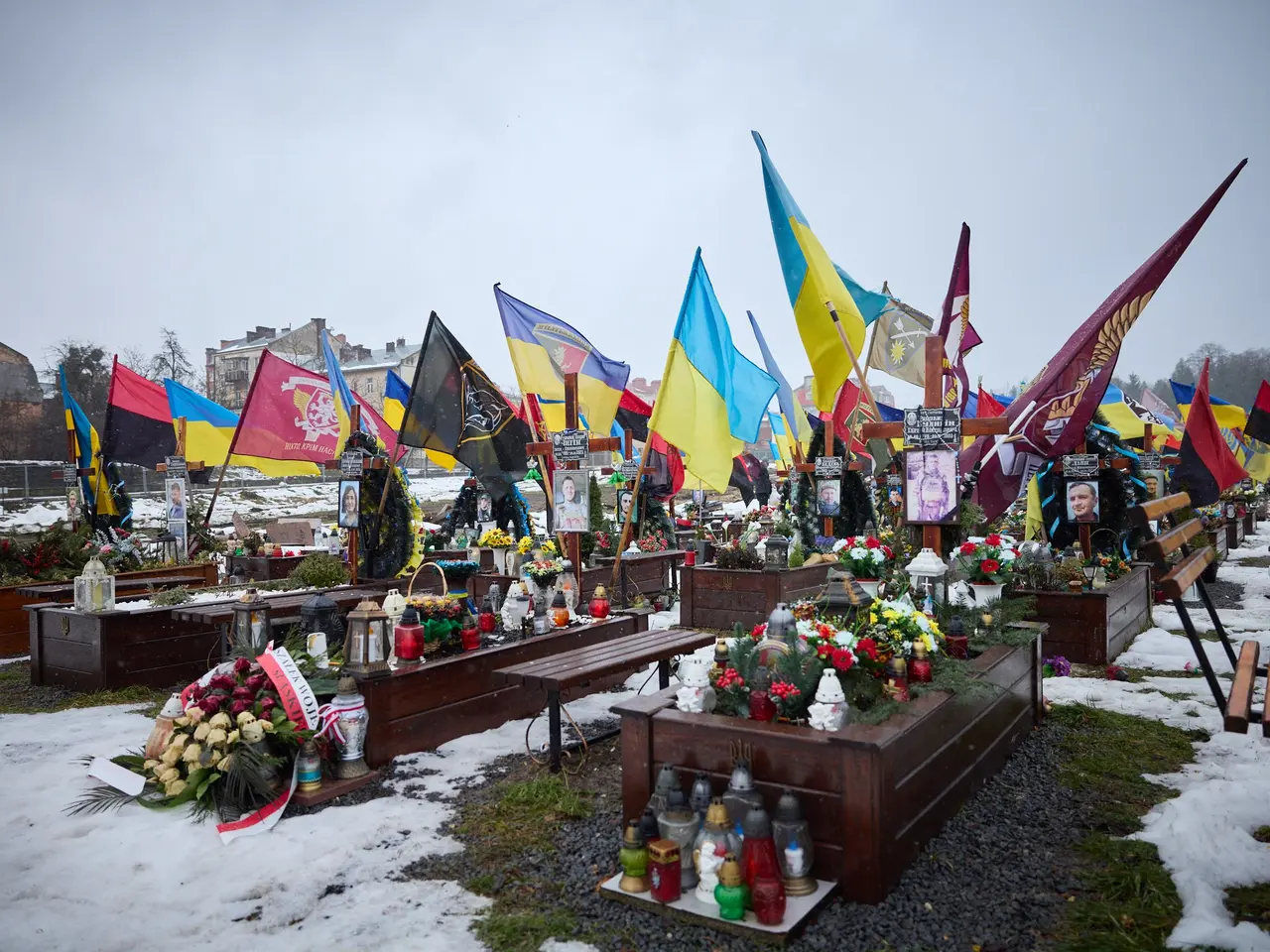
The film is set in a region of Ukraine under Russian control, where occupying forces ban the burial of executed civilians. Andrii, the 35-year-old protagonist, works as a priest and secretly stores bodies until they can be moved to mass graves. His quiet resistance includes identifying victims, returning remains to families, and trying to give them dignified burials.
An international team of around 80 professionals worked on *Vesna*, a co-production between Ukraine, Lithuania, and France. At the premiere, Kyrpychenko thanked the cast, crew, and co-producers for their dedication. He also urged audiences to remember Ukrainian soldiers and civilians killed in the war, as well as those still living under occupation. The screening was introduced by Cannes artistic director Thierry Frémaux. After the film, the cast and crew, including Ukrainian actress Anastasiia Pustovit and Lithuanian actor Kęstutis Cicėnas, took part in a traditional photo call.
Vesna marks the first Ukrainian feature film to premiere at Cannes since the full-scale invasion. Its debut highlights the ongoing struggles of civilians in occupied territories. The director’s call for remembrance underscores the film’s connection to real events.