Russia's Far East unveils bold 2030 strategy to transform economy and living standards
A new socioeconomic strategy for the Far Eastern Federal District is now under development. The plan, ordered by President Vladimir Putin, aims to boost efficiency and living standards across the region. Residents have until May 31, 2026, to submit their proposals for the draft. The strategy builds on past successes. Over the last decade, the region saw fixed capital investment rise by 286%, industrial output grow by 168%, and manufacturing expand by 223%. Now, officials want to push further.
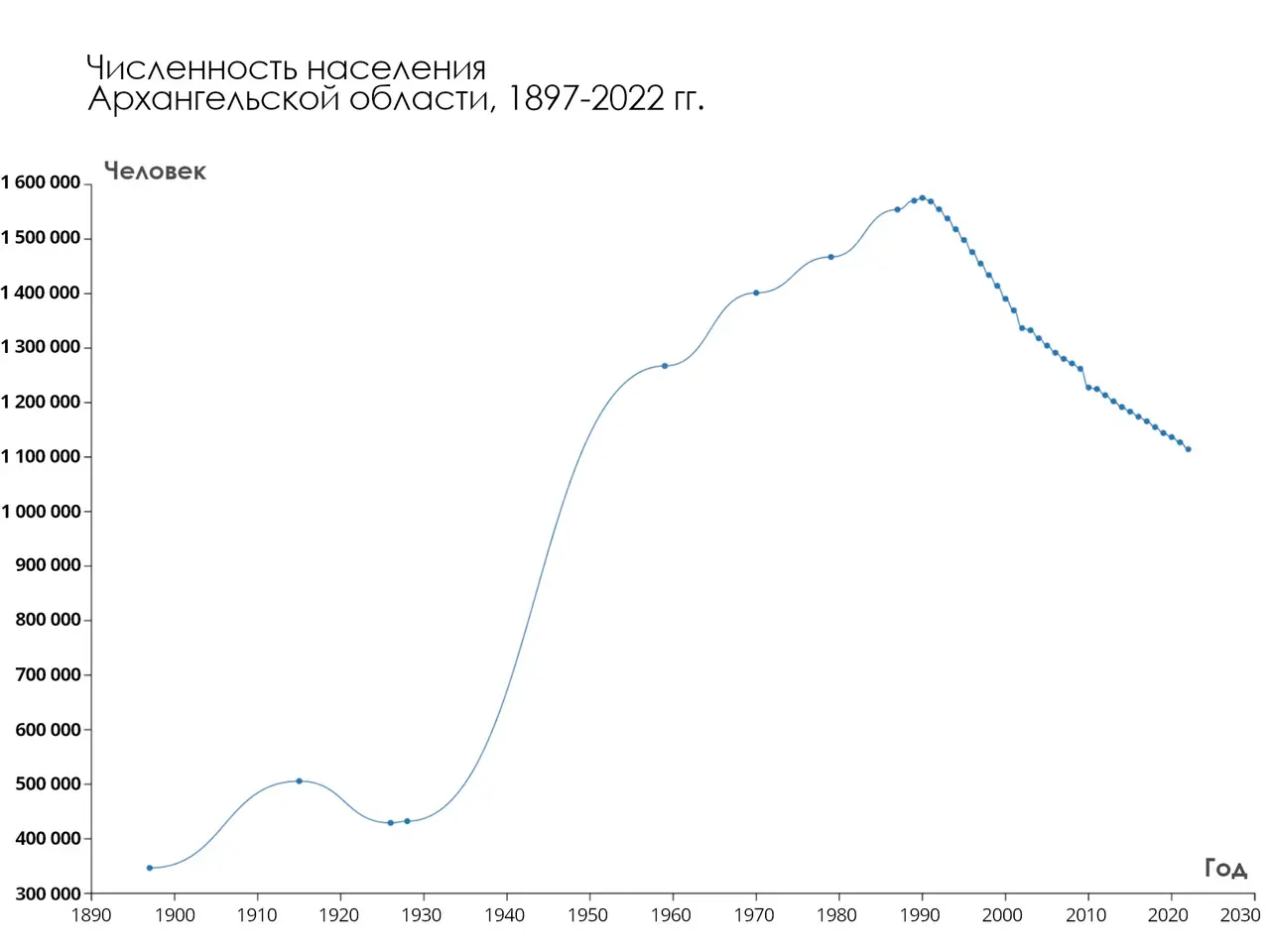
Khabarovsk Territory has outlined key sectors for growth. These include microelectronics, semiconductor and chip production, light vehicle assembly, and glass manufacturing. The region also proposes new youth settlements near industrial zones to keep young families in the Far East. Major interregional projects are part of the plan. These cover the Amur River shipping programme and tourism development. Public consultations on the draft have already taken place in Vladivostok, Khabarovsk, Magadan, Birobidzhan, Anadyr, and Yakutsk. The Ministry for the Development of the Russian Far East and Arctic, the Far East and Arctic Development Corporation, and Vostokgosplan are leading the effort. They are working alongside federal agencies and regional leaders to finalise the strategy. The Far Eastern Federal District has also seen a population shift. In 2024, it recorded a net influx of 24,000 people—the first in 30 years.
The final strategy will shape the region’s future through 2030. It focuses on economic growth, infrastructure, and quality of life. Residents still have time to contribute their ideas before the May 2026 deadline.