Russia's Arctic military buildup sparks NATO concerns over new Cold War front
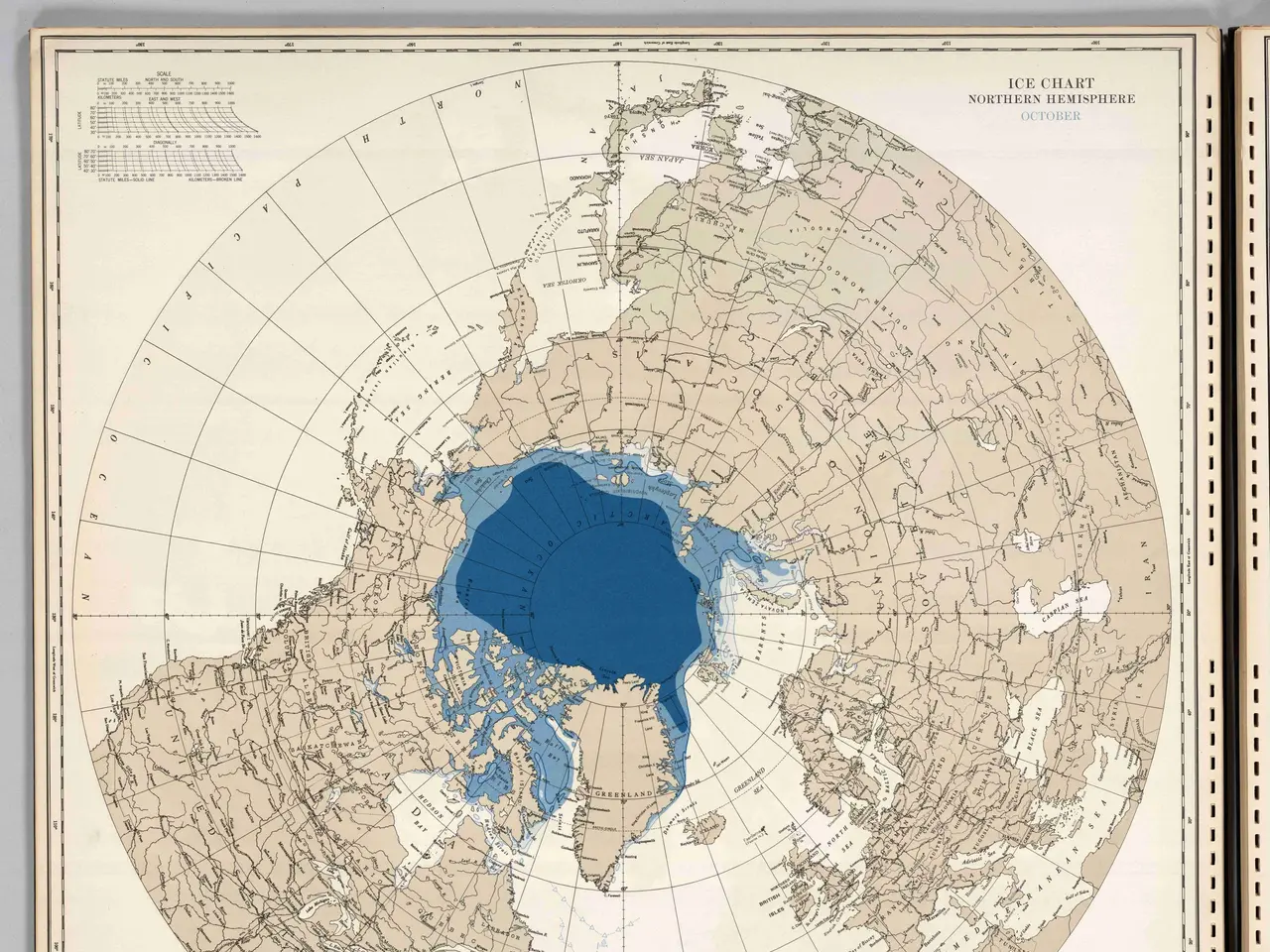
Tensions in the Arctic are rising as Russia expands its military presence in the region. Analysts warn that Moscow may shift its focus northward after the war in Ukraine, posing new challenges for NATO. Recent reports highlight growing concerns over Russia’s capabilities and potential aggressive moves in the Far North. Russia has heavily fortified its Arctic positions, with two-thirds of its nuclear submarines armed with intercontinental missiles based on the Kola Peninsula. The country also operates over 40 icebreakers and plans to add 11 more, far outpacing the U.S., which has just three. Meanwhile, Moscow has prioritised strategic deterrence and nuclear threats in the region, partly due to troop redeployments to Ukraine.
NATO has responded by launching Arctic Sentry, a mission aimed at aligning allied strategies in the Arctic. The alliance’s naval planners have flagged Russia’s military buildup as a serious concern. The Atlantic Council has even identified a potential Russian seizure of Svalbard—a demilitarised archipelago—as the most likely attack scenario in Europe. The U.S. Arctic Institute has also noted increased activity by Russia and China in the Bering Strait. Despite these developments, the U.S. remains poorly prepared for Arctic warfare. It currently has only one division with limited polar combat capabilities, raising questions about NATO’s readiness to counter Russian moves in the region.
Russia’s Arctic expansion and NATO’s countermeasures are reshaping military dynamics in the Far North. With Moscow’s icebreaker fleet growing and its nuclear assets already in place, the region could become a flashpoint. The alliance’s Arctic Sentry mission signals a push to strengthen defences, but gaps in U.S. polar capabilities remain a concern.