Russia Plans 250 MW Energy Storage to Stabilize Far East Power Grid
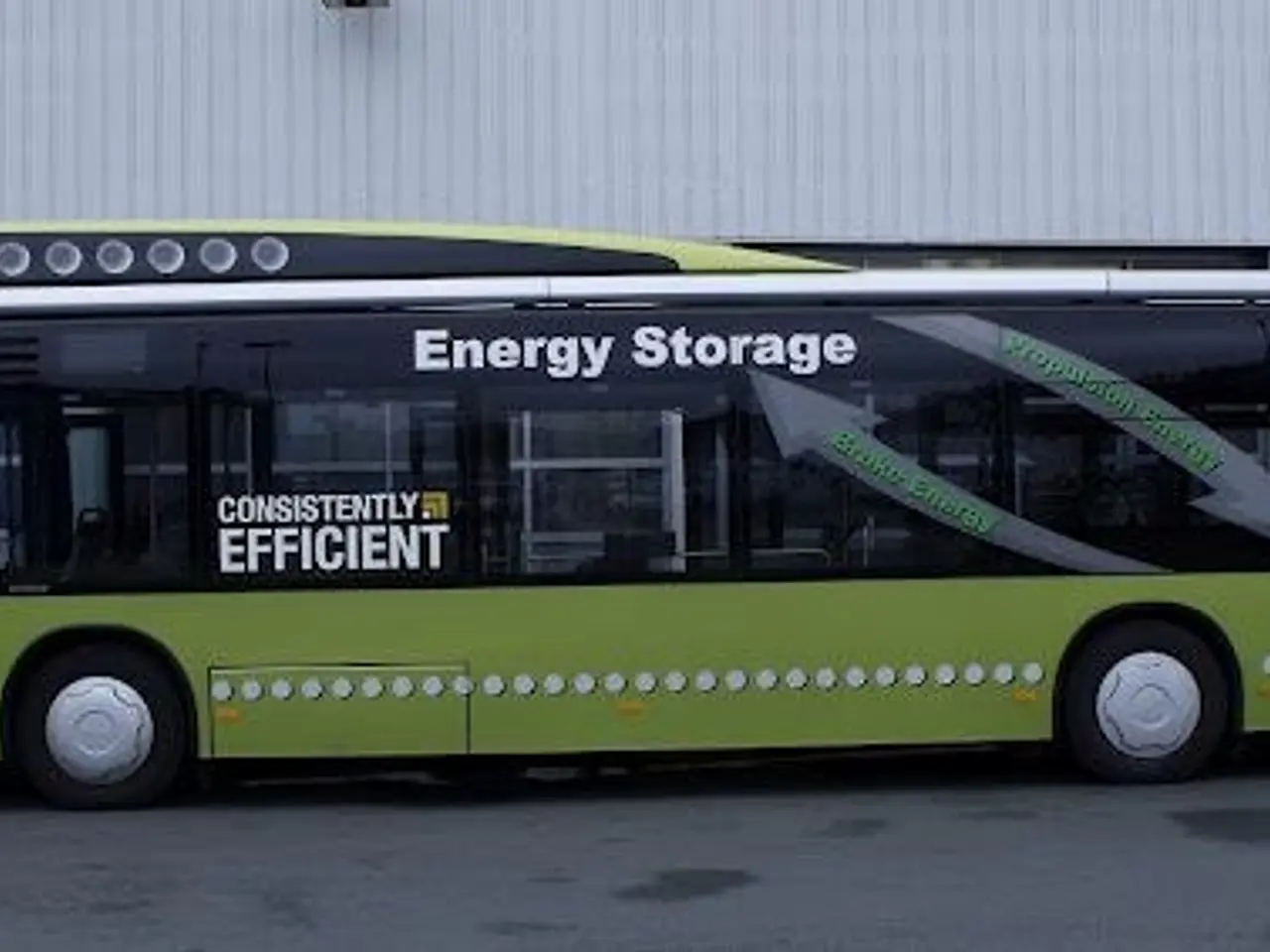
Russia’s Energy Ministry is exploring plans to build large-scale energy storage systems in Primorsky Krai. The proposed facilities would have a combined capacity of around 250 MW, aiming to stabilise the region’s power supply. Officials highlight the urgent need as electricity demand in the Far East rises faster than the national average. Electricity consumption in the Far East has been climbing at an annual rate of about 4.5%—more than double the country’s overall growth. This surge has led to power shortages and occasional disruptions in Primorsky Krai, prompting experts to call for immediate solutions. An energy storage system (ESS) would help balance sudden demand spikes, reducing the risk of overloads and blackouts.
Beyond storage, the ministry is upgrading infrastructure across the region. Plans include a new direct current transmission line connecting Siberia and Transbaikalia, as well as reinforced power lines in Primorsky Krai itself. Additional generation capacity in Vladivostok is also under consideration to meet rising needs. A review of the 250 MW storage proposal is expected soon. If approved, the system would mark a key step in modernising the Far East’s energy network, ensuring more reliable supply for both households and industries.
The proposed energy storage facilities would address critical gaps in Primorsky Krai’s power grid. Alongside new transmission lines and expanded generation, the upgrades aim to prevent future shortages. The ministry’s plans reflect broader efforts to keep pace with the Far East’s rapidly growing energy demands.