Kazakhstan uses AI to digitize and preserve ancient manuscripts for the future
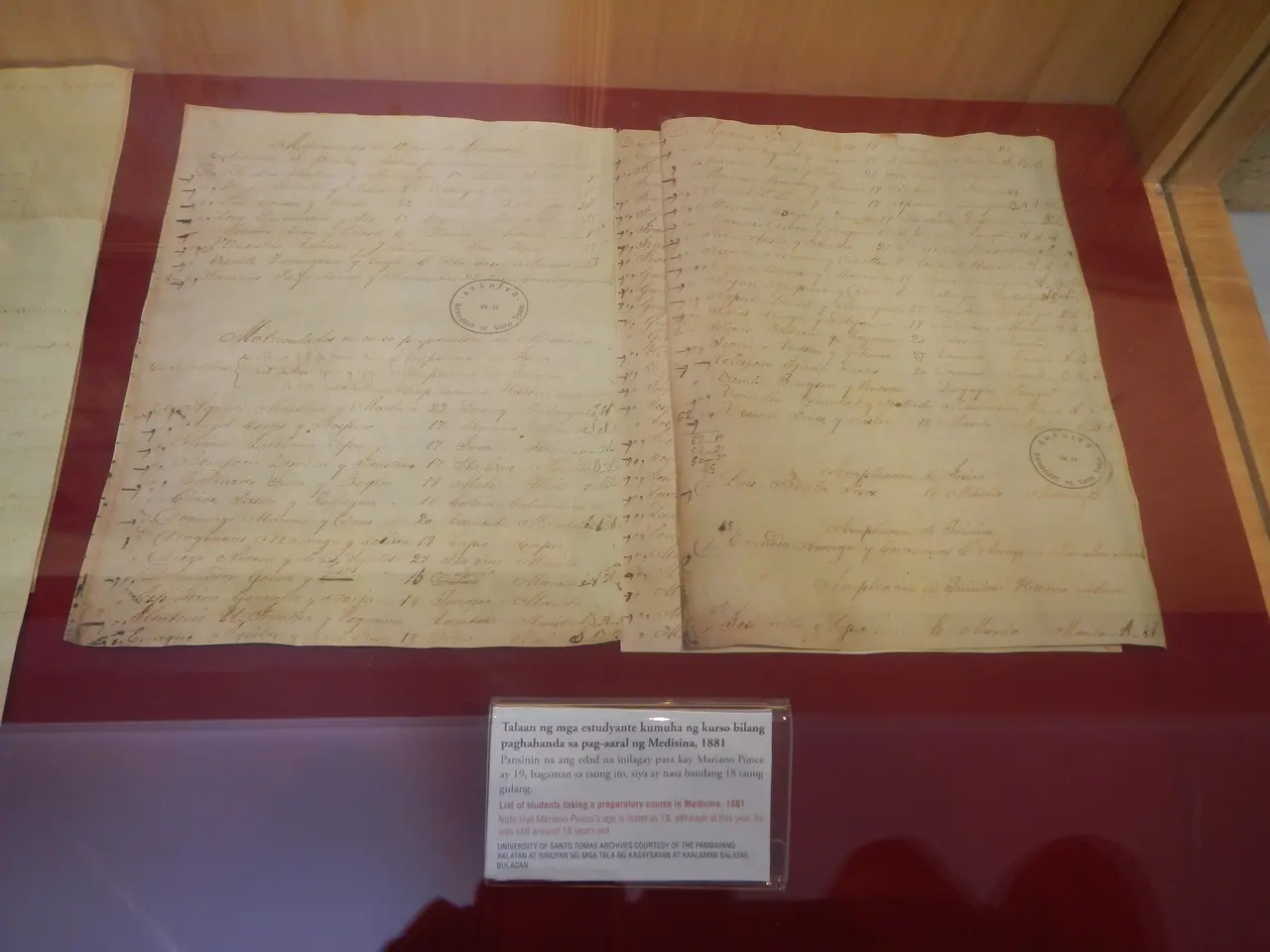
Kazakhstan’s National Center for Manuscripts and Rare Books is adopting artificial intelligence to preserve and study its historical collections. The move aligns with the country’s push for digital transformation, as 2026 has been declared the Year of Digitalization and Artificial Intelligence. A new virtual exhibition, Written Legacy of the Great Steppe’s History, has launched under the direction of Sunat Khalilov. It spans four key periods: the Turkic Khaganate, Karakhanid State, Golden Horde, and Kazakh Khanate. Among the digitised treasures are the 9th-century Book of Prophecies, written in Old Turkic runic script, and the 13th-century Oguz-name.
The centre is using AI to monitor the condition of fragile manuscripts, detecting paper degradation and analysing texts in multiple languages. Each exhibit now features a unique QR code, linking visitors to detailed digital content. The project also includes high-resolution photos, audio recordings, and plans for interactive historical maps. Tolkyn Magauyanova, head of the Publications and Publishing Department, highlights the role of AI in safeguarding cultural heritage. Future developments will allow remote access to the collections through the official website, *manuscript.kz*.
The integration of AI and digital tools marks a significant step in preserving Kazakhstan’s written history. Visitors can now explore rare manuscripts online, while researchers gain advanced methods for studying and protecting these cultural assets.