Jetisu Region Invests Billions to Transform Coastal Tourism Ahead of Summer Rush
Jetisu Region Sets New Standard for Coastal Development Through State Support and Infrastructure Projects
The Jetisu region is undergoing a transformation in coastal development, with a focus on modernizing the shores of Lakes Alakol and Balkhash—where comfort, environmental safety, and business interests are now closely intertwined.
Since the region's establishment three years ago, tourism has emerged as a key driver of economic growth. Government funding for these initiatives has already reached 58.5 billion tenge, with this year alone seeing unprecedented financial activity: over 30 billion tenge allocated, nearly half of which—14 billion tenge—comes from private investment.
Following the Head of State's directives, the region has established a clear vertical management structure for tourism. A dedicated Regional Tourism Department has been created, while tourism development divisions have opened in several districts—Alakol, Eskeldin, Panfilov, and Sarkand—as well as in the city of Tekeli. This shift has moved the region from fragmented efforts to a comprehensive approach in developing its territories.
Lake Alakol has become a priority for both national and local authorities. A 13-kilometer coastal protection dam is under construction to combat the harsh natural conditions—each winter, ice masses erode the shoreline, undermining the soil and damaging nearby infrastructure.
For now, resort areas are concentrated in just two villages: in Koktum, a 960-meter section has been completed, while in Akshi, 200 meters of shoreline have been reinforced. The project, set for completion by the end of 2027, will help businesses protect their facilities, which have been increasingly threatened by rising water levels in recent years.
"For residents of coastal villages, this dam isn't just about infrastructure—it's about safety and preserving jobs in the summer tourism sector," says Aidar Musayev, a resident of Koktum. "We've watched the water and ice slowly claim our land. Now that construction is in full swing, we finally have hope for the future."
Alongside protective measures, efforts are underway to upgrade basic infrastructure. A 57-kilometer power line and two 110 kW substations have been completed, ensuring reliable electricity for hundreds of facilities. In Akshi, nearly 70 kilometers of sewer networks have been laid, and wastewater treatment plants are in their final construction phase.
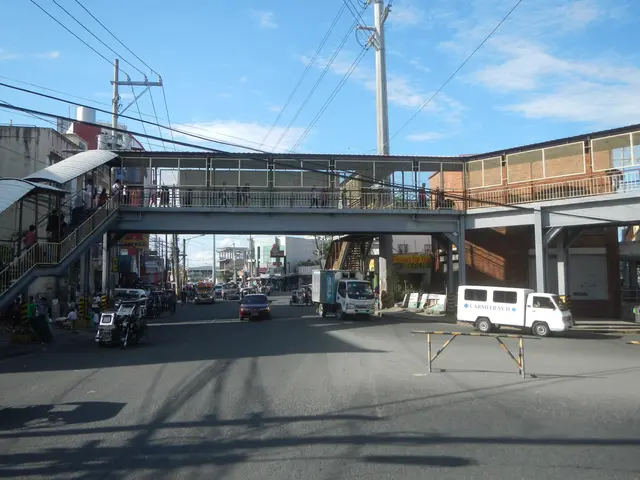
The region has also raised the bar for transport accessibility to local resorts and attractions. The reconstruction of the Taldykorgan–Alakol and Usharal–Dostyk highways has eliminated travel discomfort, while Usharal Airport, after a runway modernization, is now equipped to handle modern aircraft. Plans for a new terminal are currently under expert review.
Akshi Station Chief Discusses Summer Tourist Arrival Prospects by Rail
Jeanar Lybairakhanova, head of Akshi's railway station, shared insights on the expected influx of summer tourists arriving by train.
"This season, we anticipate maintaining high transport volumes—seven daily train pairs, including key routes from Almaty and Astana. Services also run from Semey, Ust-Kamenogorsk, Kyzylorda, and Pavlodar. Our station is fully prepared to handle up to 800 passengers per day, ensuring both comfort and strict adherence to schedules," she noted.
Beach Season Readiness Under 24/7 Oversight With the official start of the swimming season on June 20, regional authorities are monitoring preparations around the clock. By then, the coastline will be fully equipped with amenities: 100 additional waste containers, 30 changing cabins, 30 biotoilets, 31 lifeguard towers, and 13 kilometers of buoy lines—all supplementing existing infrastructure.
"Starting June 1, we will inspect recreational areas for compliance with sanitary regulations. Water and soil samples will be analyzed, and public spaces will undergo preemptive disinsection. Our goal is to eliminate any epidemiological risks before the first vacationers arrive," said Askhat Charapiev, head of the Zhetysu region's sanitary-epidemiological control department.
Public Safety and Medical Support Fifty police officers, equipped with modern technology, will maintain order along Lake Alakol's shores. Drones will patrol the coastline, while feeds from 39 cameras in Akshi and Koktuma will stream to a mobile command unit.
Medical coverage will be provided by five rapid-response teams and intensive care ambulances. "All personnel, including drivers, have completed certified first-aid training," emphasized Askar Sadykov, head of the Zhetysu regional health department.
Growing Interest in Lake Balkhash More tourists—primarily residents of Zhetysu and neighboring regions—are also heading to Lake Balkhash this summer. A 137-kilometer road reconstruction has been completed, and by August, the new Lepsy railway station will open. Utility networks along Balkhash's coast are 90% operational, enabling the launch of three municipal beaches this season.
Ecotourism Expansion Modern visitor centers have opened in the Altynemel National Nature Reserve and the village of Topolevka. Efforts continue to improve access to high-altitude gems like Lake Zhasylkol and Burkhan-Bulak Waterfall, with new roads planned to these sites.