Frankfurt Airport declares emergency as snow and ice halt flights
Winter Bites Back—And Frankfurt Airport Feels the Pain
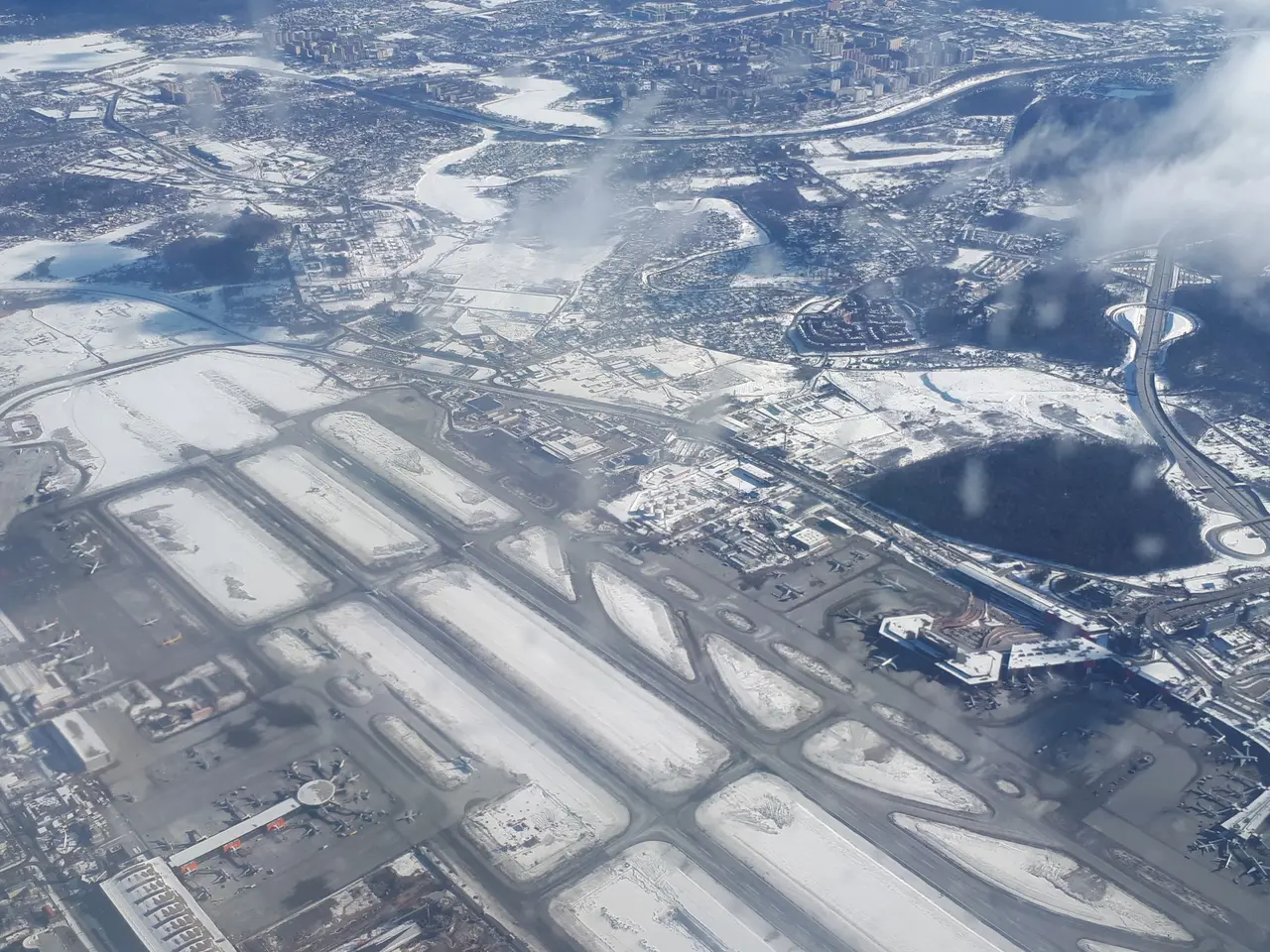
Winter has struck with a vengeance, and Fraport is bearing the brunt of it. Frankfurt Airport, Germany's busiest aviation hub, is in a state of emergency today: nearly 100 flights have already been canceled, and the number could climb as the day goes on. Out of 1,052 originally scheduled flights, 98 have been scrapped—all thanks to heavy snowfall and black ice bringing parts of the airport to a standstill.
Fraport's stock has reacted swiftly to the chaos. In XETRA trading, shares briefly dipped by 0.2 percent to €74.00—a relatively muted response given the circumstances. But if the disruptions drag on, that could change.
All Hands on Deck on the Tarmac
Fraport is calling the current situation "intensified winter operations"—a polite way to describe the scene unfolding at Germany's largest airport this morning. The full winter response team has been deployed, with 34 de-icing vehicles battling the elements. It's not just aircraft parking stands that need treatment; the entire runway system must be cleared.
The German Weather Service has issued a severe ice warning for parts of Hesse, and the fallout is clear: passengers are being urged to arrive at the terminal at least three hours before departure and to check their flight status in advance. Getting to the airport will take significantly longer—if their flight hasn't been canceled altogether.
What Does This Mean for Investors?
Extreme weather is a calculable risk for airport operators, and Fraport has extensive winter operations capacity and contingency plans in place. Still, every canceled flight means lost revenue from landing fees, passenger charges, and the lucrative retail business inside the terminals.
The stock's subdued reaction suggests the market views this as a temporary setback—especially since the 2024/25 winter has been mild so far. A few weather-related hiccups won't derail the positive momentum in the travel industry.
The real question is how long the disruptions last. A single chaotic day? Manageable. Multiple days of massive cancellations? That would put a noticeable dent in first-quarter earnings.