Europe's AI boom strains data centres as power and space run short
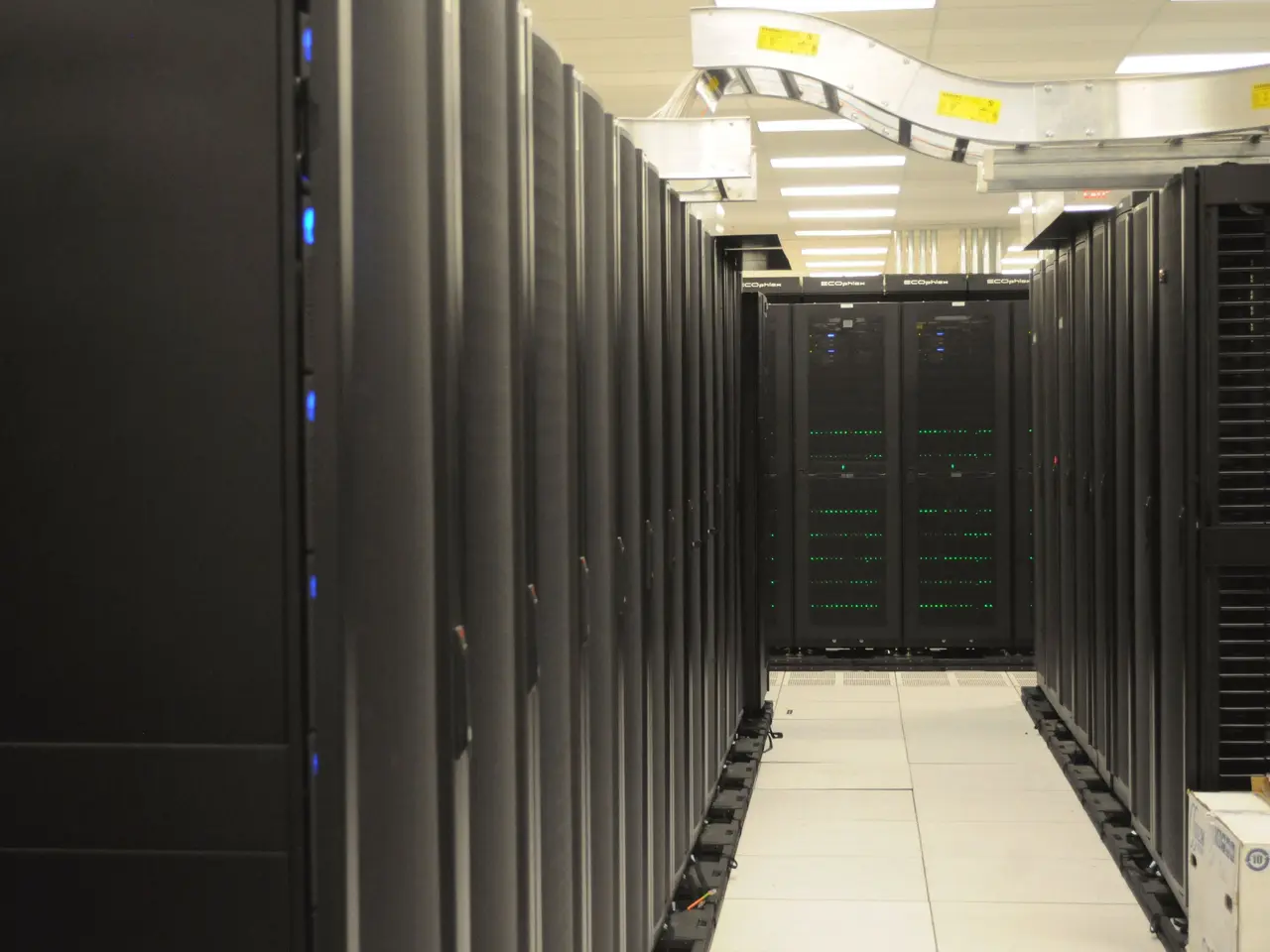
Europe’s data centres are struggling to keep up with the rapid growth of AI workloads. Legacy infrastructure and overburdened national grids cannot meet the rising demand for power and space. As a result, cities like Amsterdam and London now face strict limits on new data centre expansions. The surge in AI adoption has pushed electricity needs to unprecedented levels. Global data centre power consumption is expected to more than double, jumping from 460 terawatt-hours (TWh) in 2024 to over 1,000 TWh by 2030. In the EMEA region, expansion plans are stalling due to grid bottlenecks, scarce electricity supplies, and a lack of available land.
Dell Technologies is responding with new solutions designed for the AI era. The company has launched PowerStore Elite and PowerCool, systems aimed at rethinking data centre efficiency. Additionally, Dell is developing the first megawatt racks, which dramatically increase power density to support AI infrastructure. The UK’s economy, heavily reliant on services, is feeling the strain as AI moves into core operations. Businesses are under pressure to cut IT costs and simplify systems while maximising efficiency. Meanwhile, startups like London-based Nscale are raising capital to build specialised facilities focused solely on meeting AI’s energy demands. David Holmes, global industries CTO at Dell, is leading efforts to apply technology to energy sector challenges. His team is working on integrating AI into infrastructure without overwhelming existing grids. The focus now is on consolidation, cooling, and density—critical factors for survival in Europe’s constrained data centre market.
With power demands soaring and space running out, Europe’s data centres must adapt quickly. New technologies and specialised facilities are emerging to address the crisis. The shift towards higher efficiency and density will shape the future of AI infrastructure across the region.