Critics of COP29 confronted by aggressive response from Azerbaijani state media
In the face of mounting criticism over its hosting of COP29, the United Nations climate conference, the Azerbaijani government has opted for a proactive approach, aiming to refute detractors head-on. This strategy is reminiscent of the defensive tactics employed by the legendary American football coach, Vince Lombardi.
Pro-government media outlets in Azerbaijan have been at the forefront of this counter-offensive, targeting critics such as U.S. Representative Frank Pallone and Swedish climate activist Greta Thunberg. Their remarks concerning Azerbaijan's handling of the Karabakh conflict and broader human rights issues have been met with forceful rebuttals.
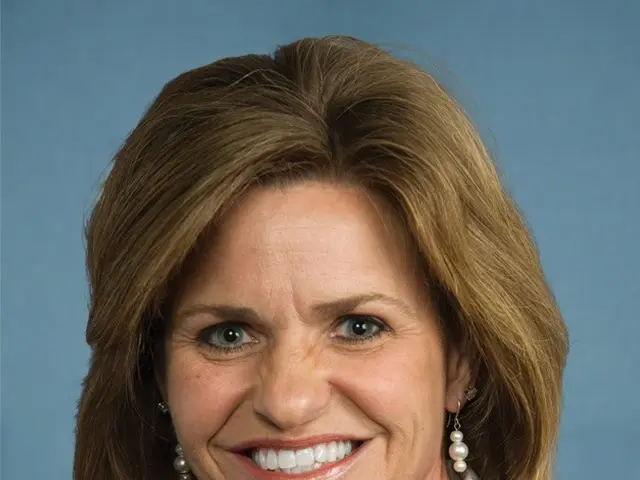
Upon his arrival in Baku as part of the U.S. delegation to COP29, Representative Pallone was greeted by demonstrators wielding signs demanding an apology and departure. Azerbaijani state television chair Rovshan Mammadov accused Pallone of supporting Armenia, describing him as a "sell-out" for alleged sympathies towards Armenian cognac. Pallone has been a consistent critic of Azerbaijan's human rights record and its treatment of Karabakh Armenians.
Azerbaijani President Ilham Aliyev reportedly met with members of the U.S. delegation, excluding Pallone and Democratic Senator Edward Markey. According to a statement posted on the president's website, discussions revolved around energy, COP29 hosting, and the peace process with Armenia. The exclusion of Pallone and Markey from the meeting sparked further criticism.
Climate activist Greta Thunberg, who has recently been vocal about Azerbaijan's treatment of Armenians, was also a target for Azerbaijani media scrutiny. Thunberg described Azerbaijan as a "repressive, occupying state" and accused it of "ethnic cleansing" and "greenwashing crimes." Some news outlets suggested a connection between Thunberg and American financier George Soros, though there is no direct evidence linking the two in this context.
The Azerbaijani government has also found itself at odds with domestic critics. Several local activists who joined Thunberg's protest were subjected to smear campaigns by government-affiliated media. REAL TV director Mirshahin Agayev condemned these activists as more dangerous than foreign critics like Pallone.
In light of this public criticism, Pallone and Markey have asserted that they were excluded from a meeting with President Aliyev. Hikmet Hajiyev, President Aliyev's assistant, reportedly justified excluding Pallone from meetings due to his alleged psychological distress from viewing symbolic battlefield displays in Baku.
The upcoming COP29 conference presents an opportunity for Azerbaijan to showcase its leadership on the international stage. However, the country's sensitive response to criticism threatens to overshadow its efforts to present a positive image. This dynamic highlights the delicate balance between defending one's country and maintaining open dialogue, particularly when faced with international scrutiny.
- As the COP29 climate conference approaches, Azerbaijan is not only aiming to promote its leadership in international science and politics, but also facing criticism over its human rights record and handling of conflicts like the Karabakh issue.
- In response to this criticism, the government has employed a proactive strategy, with pro-government media outlets targeting critics such as U.S. Representative Frank Pallone and climate activist Greta Thunberg in a counter-offensive.
- The media has levied forceful rebuttals against Pallone's remarks concerning Azerbaijan's human rights issues, while also accusing Thunberg of having connections with American financier George Soros, albeit without direct evidence.
- Domestic critics, including local activists who joined Thunberg's protest, have also been subjected to smear campaigns by government-affiliated media, demonstrating the delicate balance between defending one's country and maintaining open dialogue, especially under international scrutiny.