Colorado's 2026 Wildfire Plan Shifts to Year-Round Vigilance and Rapid Response
Colorado has unveiled its 2026 Wildfire Preparedness Plan, marking a shift in how the state tackles wildfire risks. Officials now warn that the threat extends beyond a single season, demanding year-round vigilance from residents and authorities alike. The strategy aims to strengthen prevention, detection, and response across the state.
The Colorado Division of Fire Prevention and Control (DFPC) presented the plan to Governor Jared Polis this week. Director Mike Morgan explained that the focus lies on rapid response to keep fires small and reduce their impact. Coordination between agencies will play a key role in this effort.
Expanded firefighting resources are now in place, including additional aircraft, ground crews, and advanced detection technology. These tools are designed to spot fires early and stop them before they spread. The state has also launched a Mountain Pine Beetle Outbreak Task Force, targeting areas where dead trees increase fire risks. Residents in Larimer and Weld counties, along with other parts of Northern Colorado, are being urged to stay alert. Officials recommend maintaining defensible space around homes and keeping up with local updates. Governor Polis and state leaders have stressed that wildfire readiness must now be a constant priority for all Coloradans.
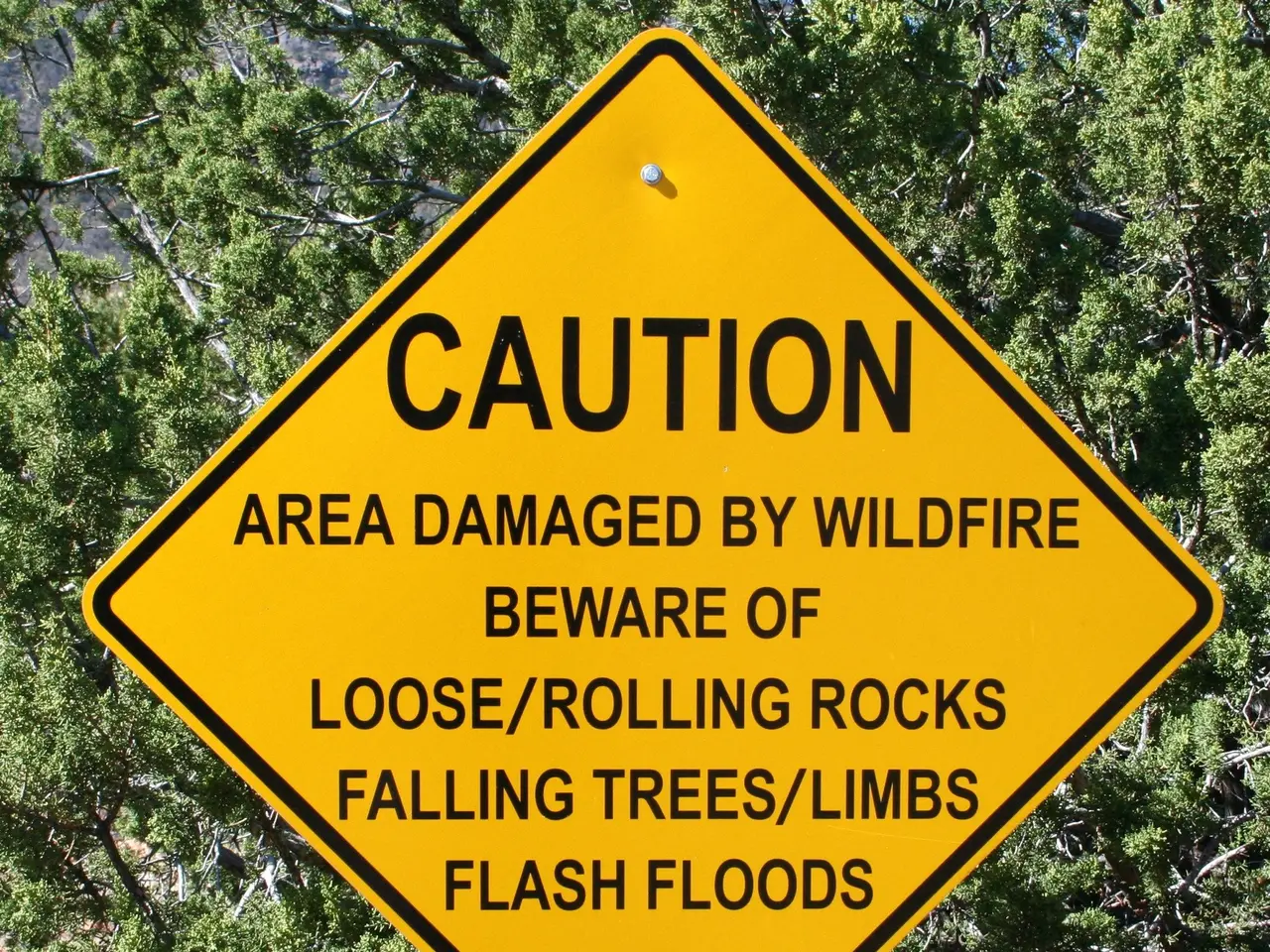
The 2026 plan positions Colorado as better prepared than ever to handle wildfires. With improved detection, faster response times, and reduced fuel sources, the state aims to limit the damage from future blazes. Residents are reminded that wildfire risks no longer follow a seasonal pattern—preparation must remain ongoing.