Saarland's €6B Steel Revolution Aims to Cut CO₂ by 55% by 2030s
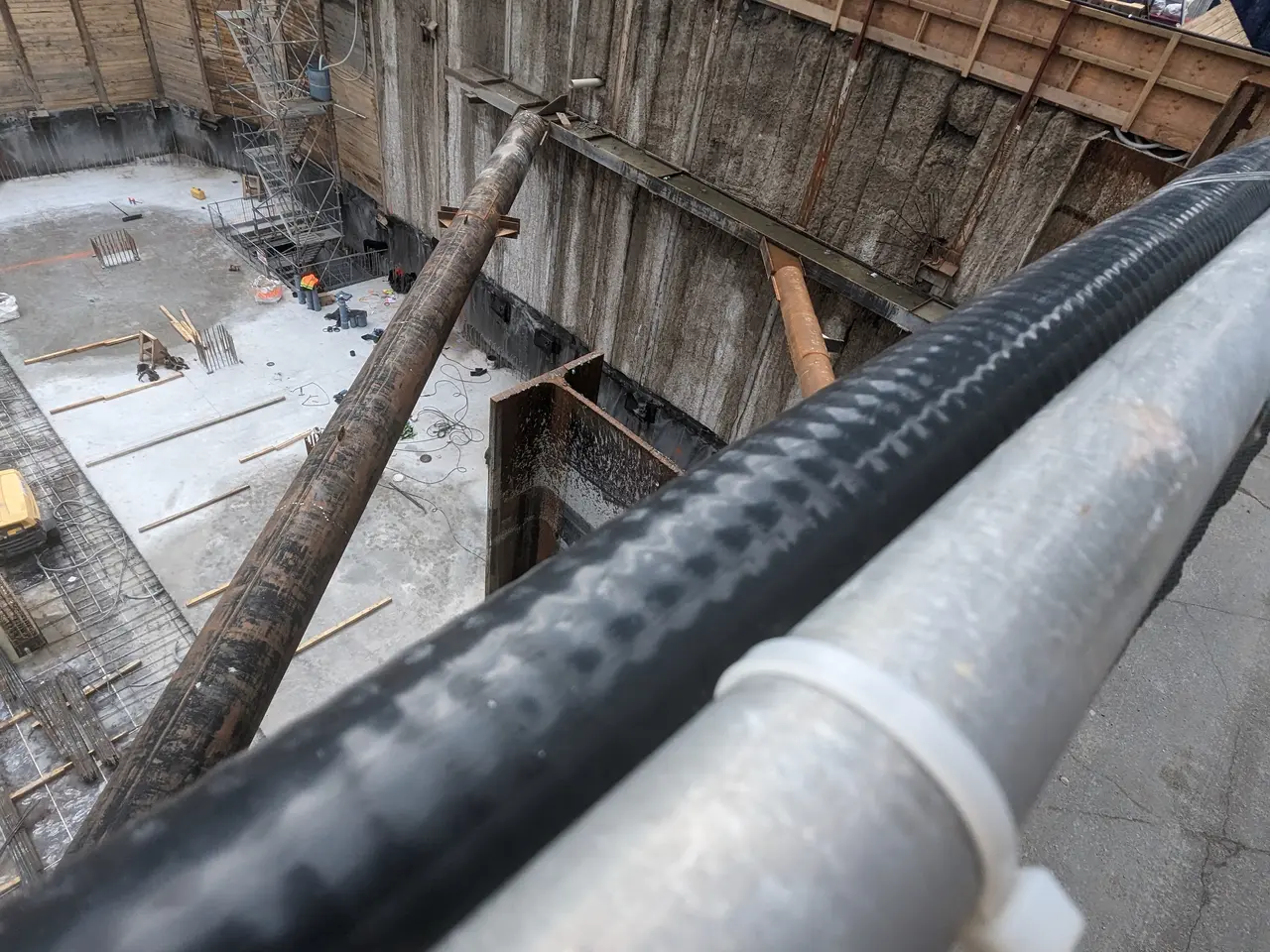
A major construction project is underway in Saarland to transform the region’s steel industry. Approved on 13 February 2026, the initiative aims to slash CO₂ emissions by up to 55 percent by the early 2030s. Work officially began just ten days later, marking the start of an ambitious 15-month build. The project covers a vast 270,000-square-metre site, where seven new structures are being erected. These include a specialised facility called the round thickener, a critical part of the new water management system. Construction requires roughly 25,000 cubic metres of concrete and involves seven tower cranes operating at once.
Wolff & Müller is overseeing the build, with Dr. Albert Dürr serving as managing partner. Around 120 workers are on-site daily, working in two shifts to meet the tight schedule. The project is part of the larger *Power4Steel* scheme, a €6 billion investment to produce up to 3.3 million tons of low-CO₂ steel annually from 2028/29. Rogesa, a joint venture between Dillinger and Saarstahl, will use the new facilities to restructure its production. The goal is to make steel manufacturing in the region far more sustainable within the next decade.
Once completed, the project will significantly reduce emissions in Saarland’s steel sector. The new infrastructure is expected to play a key role in meeting climate targets while maintaining industrial output. Operations under the Power4Steel programme are set to begin producing low-CO₂ steel by the end of the decade.