Cervical Cancer Gap Between Rich and Poor Nations Set to Widen by 2100
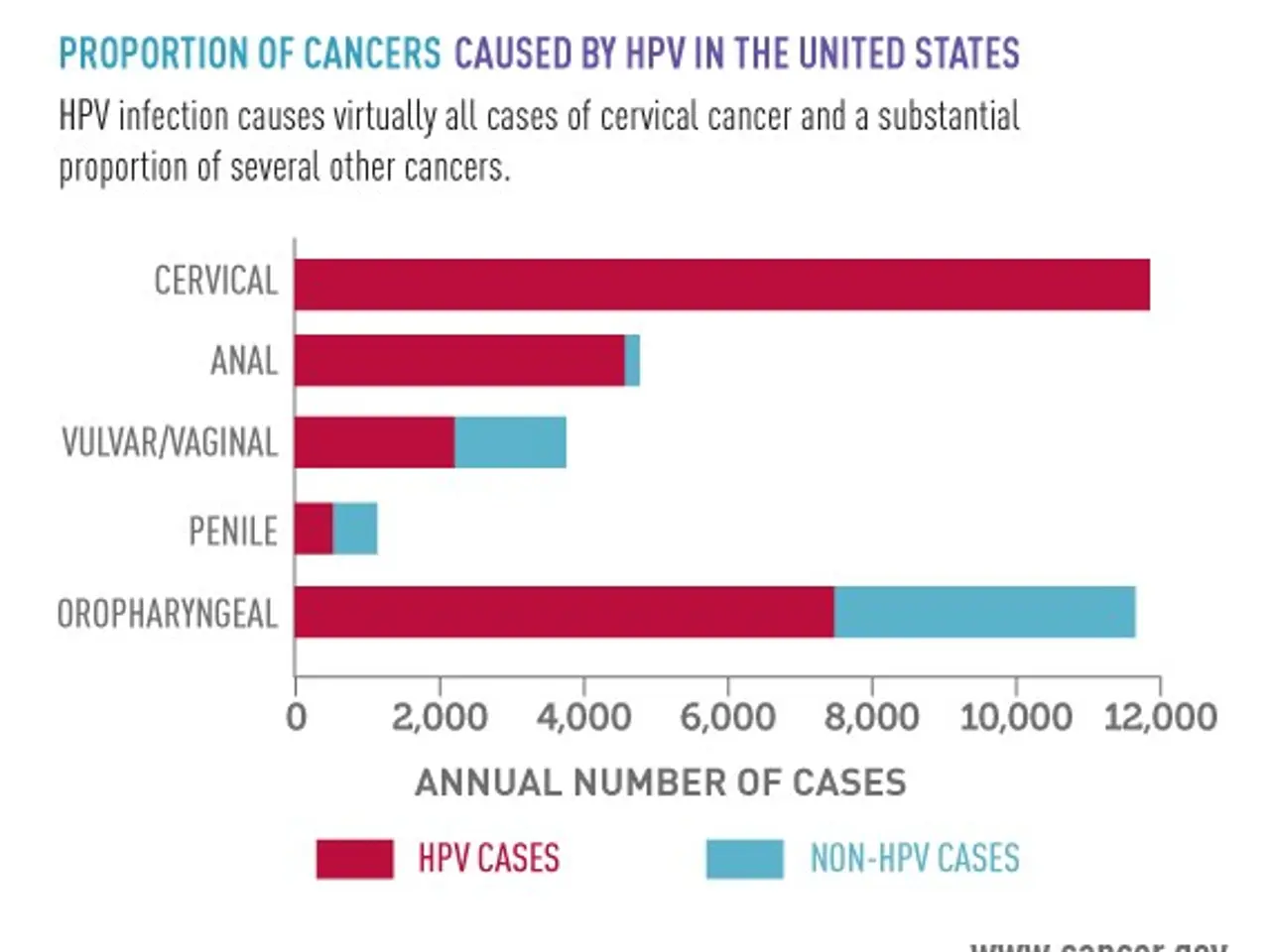
Cervical cancer rates could soon widen dramatically between rich and poor nations. Without urgent action, the gap may grow to a 12-fold difference by 2100. The World Health Organization (WHO) has set ambitious targets to eliminate the disease—but progress remains uneven across the globe. The WHO’s strategy aims to cut cervical cancer cases to fewer than four per 100,000 women. This relies on three key steps: vaccinating 90% of girls against HPV, screening 70% of women, and treating 90% of precancerous lesions and cancers. High-income countries like Canada are already on track to meet these goals. Yet nations with the highest cancer burdens lag far behind.
Infrastructural, financial, and social hurdles block wider vaccination and screening in lower-income regions. Delays in hitting the WHO’s targets mean more infections, untreated cancers, and avoidable deaths from ongoing HPV transmission. Current rates in poorer countries already sit at roughly three times those in wealthier nations. New HPV vaccine versions could help close the gap. These formulations cost less and require simpler dosing, making them easier to roll out in resource-strapped areas. Experts also recommend expanding vaccination to boys and running catch-up campaigns. Such measures, combined with the WHO’s targets, might prevent up to 37 million cervical cancer cases by 2100. Bridging the divide demands more than just vaccines. Solutions include coordinated funding, technology sharing, affordable vaccine programmes, and health education tailored to local cultures.
The WHO’s elimination plan offers a clear path forward—but success depends on global cooperation. Faster action in lower-income countries could prevent millions of cases and deaths. Without it, the disparity in cervical cancer rates will only deepen over time.