Cebu City tightens marathon rules with higher fees and eco-safety standards
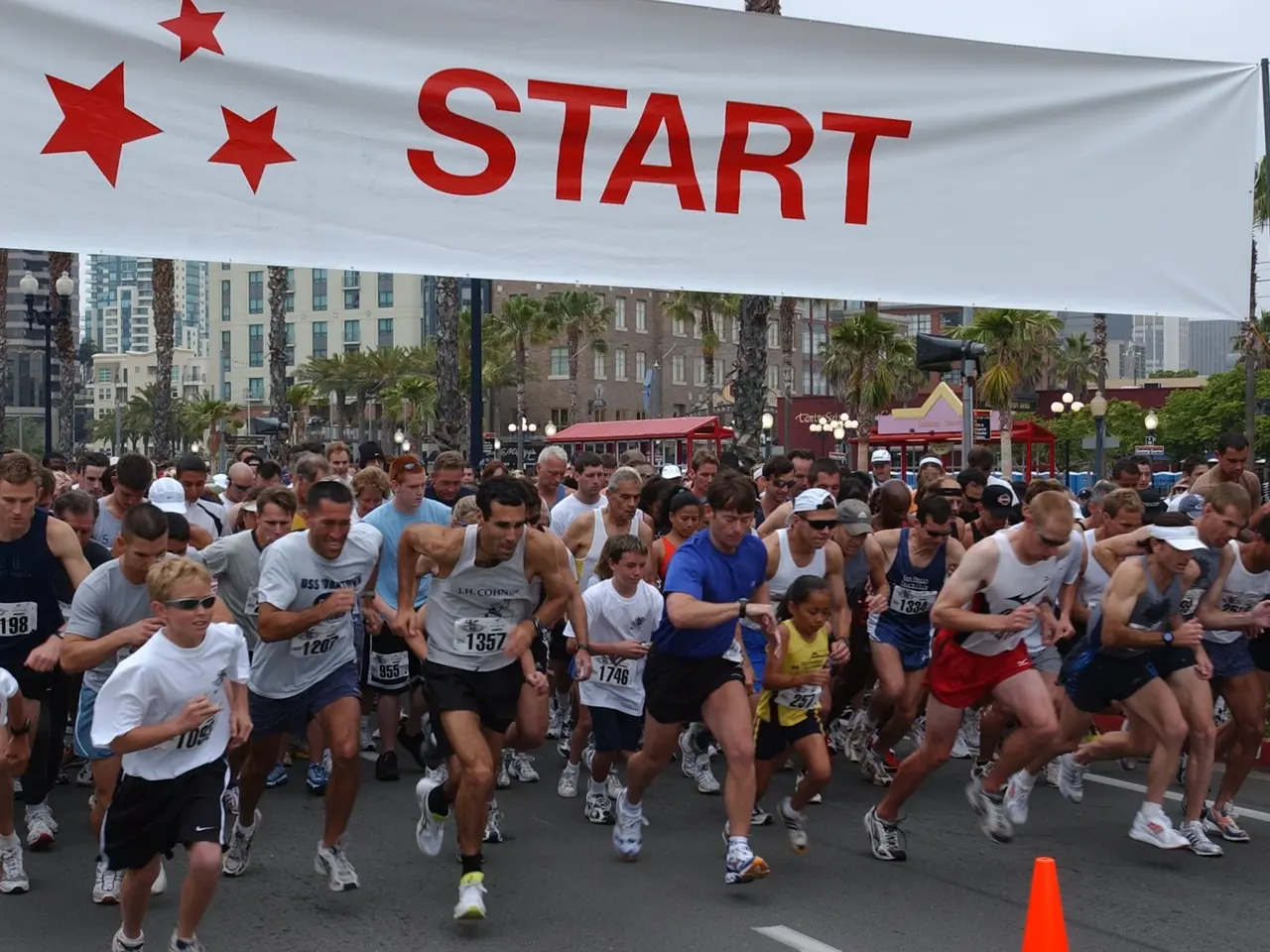
MARATHON and fun run organizers in Cebu City may soon face higher permit fees and tighter regulations under a proposed ordinance aimed at upgrading standards and policies for such sporting events.
The proposed measure, authored by Councilor David Tumulak and endorsed during the Regular Session on March 24, 2026, seeks to replace outdated rules with a more comprehensive framework that addresses the growing scale, cost, and impact of organized foot races.
Higher fees to reflect 'true cost'
Under the proposal, permit fees will be increased and structured based on race distance:
- Up to 10 kilometers (km): P20,000
- More than 10 km but less than 21 km: P50,000
- 21 km to below 42 km: P75,000
- 42 km and above: P100,000
On top of this, organizers must post a performance bond equivalent to 50 percent of the permit fee, refundable only if they comply with cleanup and traffic requirements.
Tumulak said the revised fees are meant to reflect the 'true cost of regulation,' citing expenses for traffic rerouting, personnel deployment, and post-event environmental management.
The collected fees will be earmarked for traffic management, public safety, and environmental monitoring.
Stricter policy framework
Beyond the fee hike, the ordinance introduces enhanced policies covering environmental protection, safety, and event management.
Organizers must submit an application to the Cebu City Sports Commission (CCSC) for assessment. They are also required to secure formal clearance from the Cebu City Transportation Office (CCTO), along with venue approval, a detailed traffic mitigation scheme, a comprehensive deployment plan, and a notarized undertaking affidavit to minimize disruption on major roads.
Before any event can be conducted, a Mayor's Permit, along with a favorable recommendation from the CCSC, must be secured. Meanwhile, the staging of marathons and ultra-marathons, which are considered high-impact international sporting events and competitions, will also require concurrence from the City Council.
Tighter safety, environmental rules
A key provision is the ban on single-use plastics, including bottled water and foam food containers. Organizers will be required to provide refill stations and use reusable or biodegradable materials.
They must also deploy waste monitoring teams and ensure race routes are restored to their original condition after the event.
Safety requirements include: - At least three ambulances stationed along the route - A minimum of 12 communication units - Deployment of traffic marshals and safety personnel - A 'safety convoy' to assist runners at the tail end
Cutoff times will also follow eight hours for the 42 km full marathon, four hours for the 21 km half marathon, three hours for the 16 km race, two hours for the 10 km race, and one hour for the 5 km race.
The proposal requires organizers to allocate at least 10 free slots for grassroots athletes, including race kits, to promote inclusivity.
It also mandates coordination with authorities to avoid conflicts with religious activities and other major events.
Tumulak noted that the increasing number of fun runs and marathons-some drawing thousands of participants-has exposed gaps in existing regulations.
The proposed ordinance also consolidates older ordinances such as CO 2309 and 2527, which authorities said are no longer sufficient to handle current logistical demands.
The growing size and frequency of these events require more formal integration of traffic mitigation plans, rerouting schemes, crowd management, and emergency response coordination, which were not sufficiently addressed in the older regulations.