Are Earth's wildest weather extremes becoming the new normal?
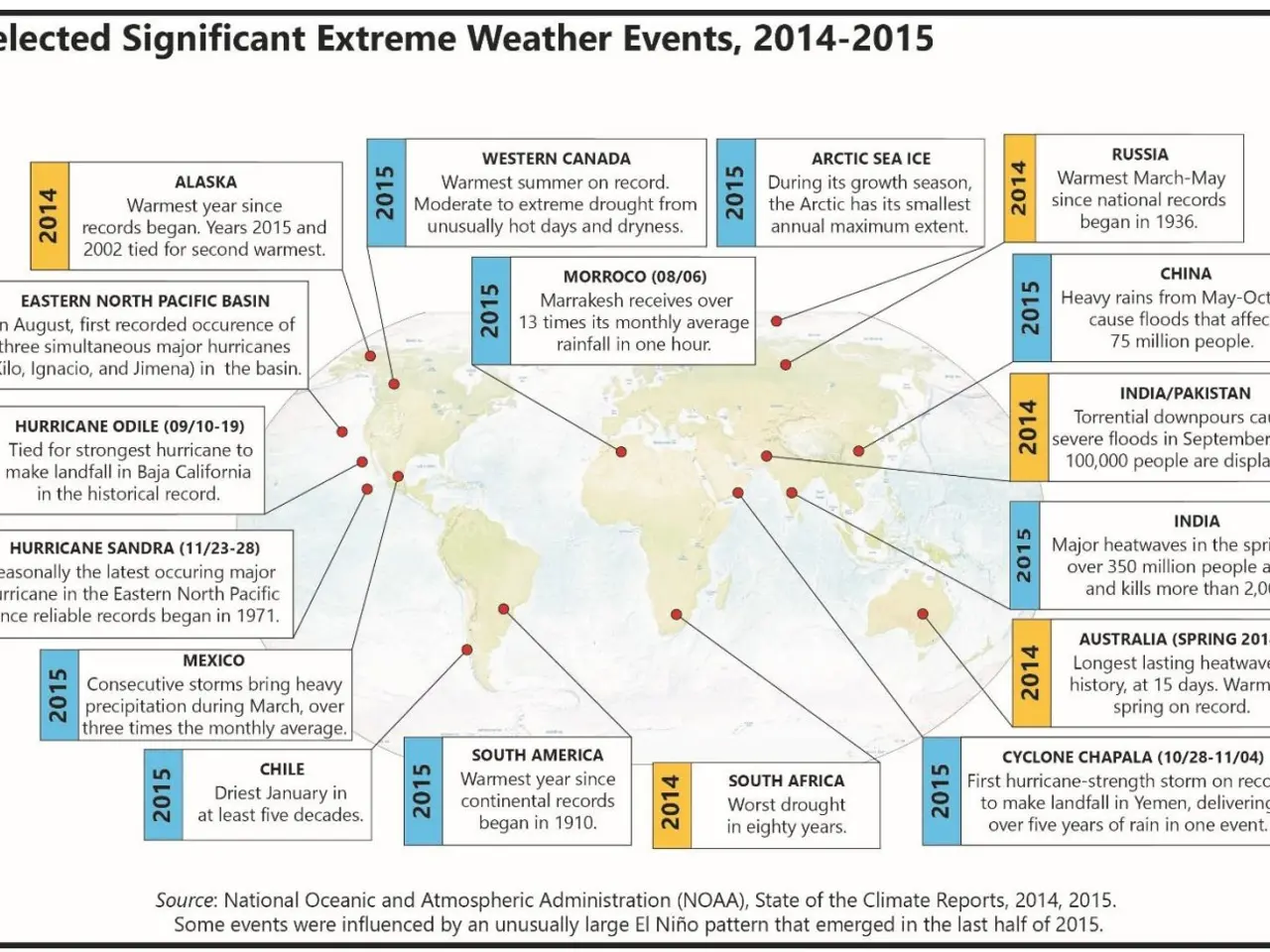
Extreme weather events are breaking records and pushing the limits of what scientists once thought possible. From scorching heatwaves to monstrous storms, some conditions now seem almost unreal—even with modern technology to measure them.
The hottest temperature ever recorded remains just under 134°F, set in Death Valley, California, back in 1913. Yet recent years have seen the same area repeatedly hit 120°F or more, nearing that century-old mark. Meanwhile, places like Kuwait and Iran have logged temperatures in the mid-120s, proving extreme heat isn’t confined to the American desert.
At the other extreme, Antarctica holds the record for the coldest reliably measured temperature—well below -120°F—from the 1980s. Such extremes show just how varied Earth’s climate can be. Some of the fiercest tropical cyclones and tornadoes have produced winds nearing or exceeding 200 mph. Other storms have dumped over six feet of rain in a single season, or several feet in just days, flooding narrow regions. Even lightning has defied expectations, with flashes stretching hundreds of miles or lasting more than ten seconds in rare cases. Scientists now question whether these events are rare outliers or a sign of what could become normal in the future.
These record-breaking events challenge our understanding of the planet’s climate. While some extremes remain unmatched, their increasing frequency raises questions about how weather patterns may shift in the years ahead. Researchers continue to monitor whether such conditions will stay exceptional—or eventually define a new norm.