Germany's aviation crisis deepens as 10,000 jobs hang in the balance
Germany’s aviation sector faces growing pressure as rising costs and policy shifts threaten jobs and growth. Around 10,000 positions are now at risk, with airlines struggling under soaring fuel prices and recent tax changes. The government has responded with new measures, but challenges remain for an industry still recovering from past setbacks.
In May 2024, Germany increased its air passenger duty by 19.4 percent, adding financial strain to airlines already battling high expenses. Kerosene prices had more than doubled since December 2023, pushing fuel costs to 20–30 percent of operating budgets. Lufthansa alone expected an extra €1.7 billion in fuel spending, deepening the sector’s difficulties.
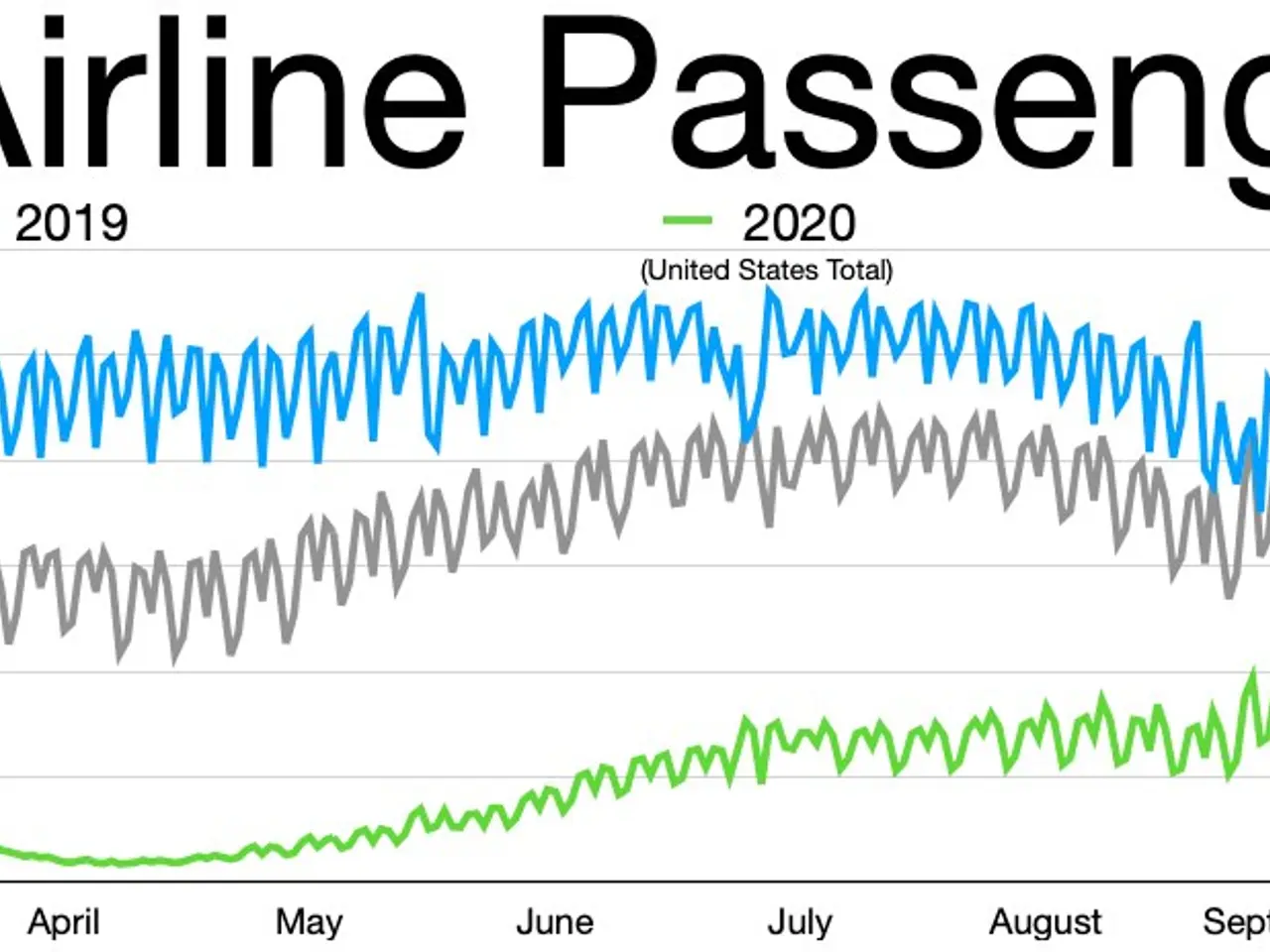
The latest legislative reform now reverses the 2024 tax hike, returning rates to previous levels. The government has also proposed cutting air passenger duty by 16.1 percent to ease the burden. Yet, even with these adjustments, recovery remains slow. In 2025, German airports handled 219.8 million passengers—12.4 percent below the 2019 peak. The upcoming National Aviation Strategy, set to be unveiled by Friedrich Merz at the Berlin Air Show in June, aims to address these issues. However, industry observers question whether the plan will be enough to secure Germany’s competitive position. The sector has already seen major losses, including Spirit Airlines’ shutdown in May 2023 after 62 years of operation.
Despite tax rollbacks and proposed cuts, Germany’s aviation industry continues to face uncertainty. With fuel costs high and passenger numbers lagging, the sector’s future depends on both policy support and market recovery. The government’s next steps will determine whether the industry can stabilise and protect jobs in the long term.