Why your café coffee costs the same despite rising bean prices
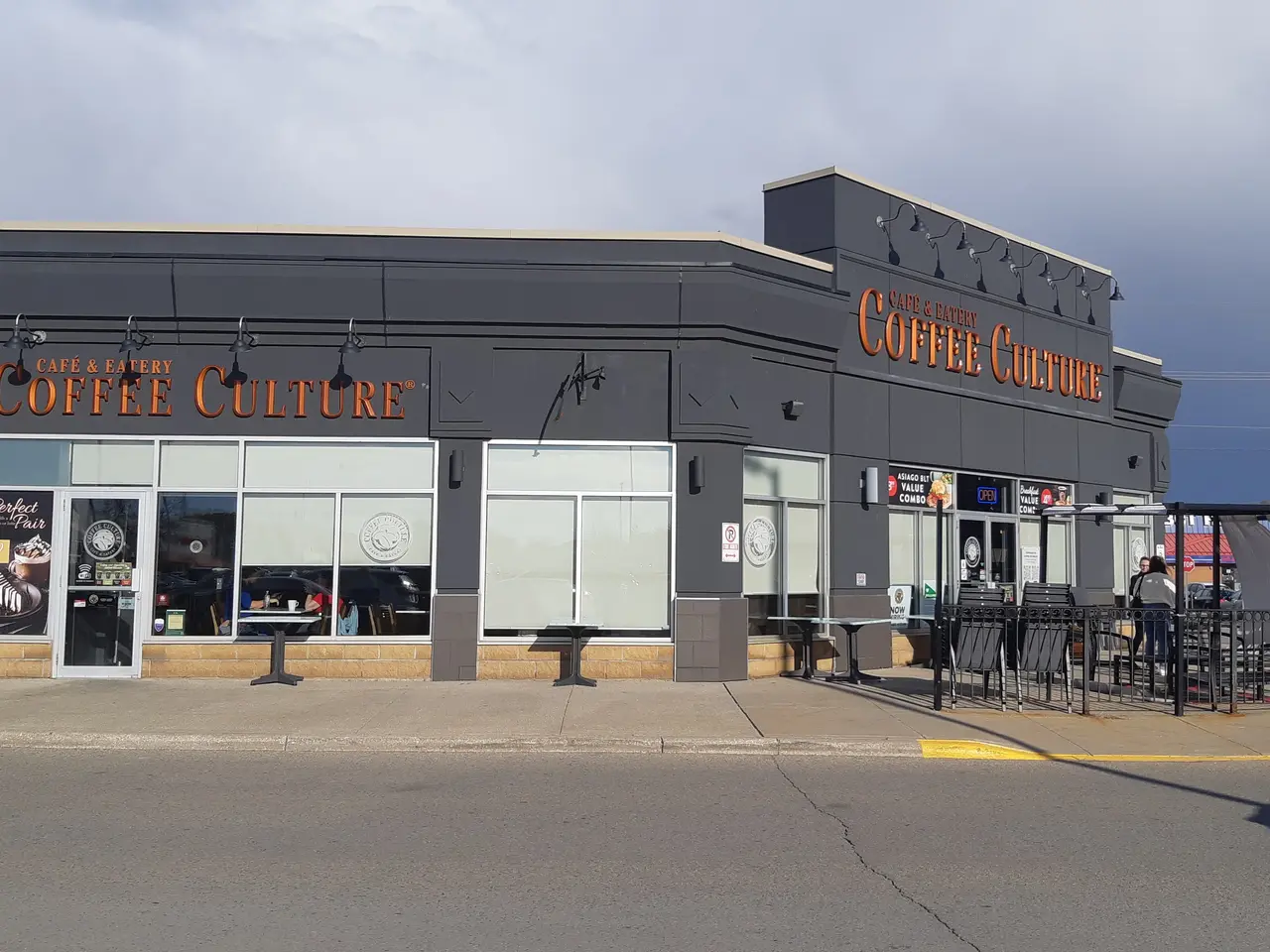
The price of a café coffee stays largely unchanged even when global coffee bean costs rise. This contrast with retail sales of packaged coffee highlights key differences in how businesses set their prices. Experts warn that market speculation often distorts expectations about future coffee harvests and pricing trends. Global coffee bean prices fluctuate, but these shifts barely affect the cost of a café beverage. Instead, wages for baristas, rent, and overhead expenses make up most of the final price. Specialty cafés focus on quality, expertise, and atmosphere rather than competing on price with retailers.
Retail stores, however, operate under a different model. They adjust markups more freely and sell packaged coffee at lower prices than cafés. Rising commodity costs hit retail sales of roasted or instant coffee harder, but production expenses extend beyond raw materials alone. Economic factors like domestic inflation play a bigger role in setting consumer prices for prepared coffee. Experts caution against trusting forecasts about future harvests, as traders often exaggerate them for speculative gains. Such predictions rarely reflect real market conditions.
Cafés cannot match retail pricing due to their higher operational costs. The final price of a coffee drink depends more on local expenses than global bean prices. Meanwhile, retailers maintain a clear economic edge by keeping their coffee products affordable.