Wheelchair Tennis Shines Bright at Vienna's Erste Bank Open
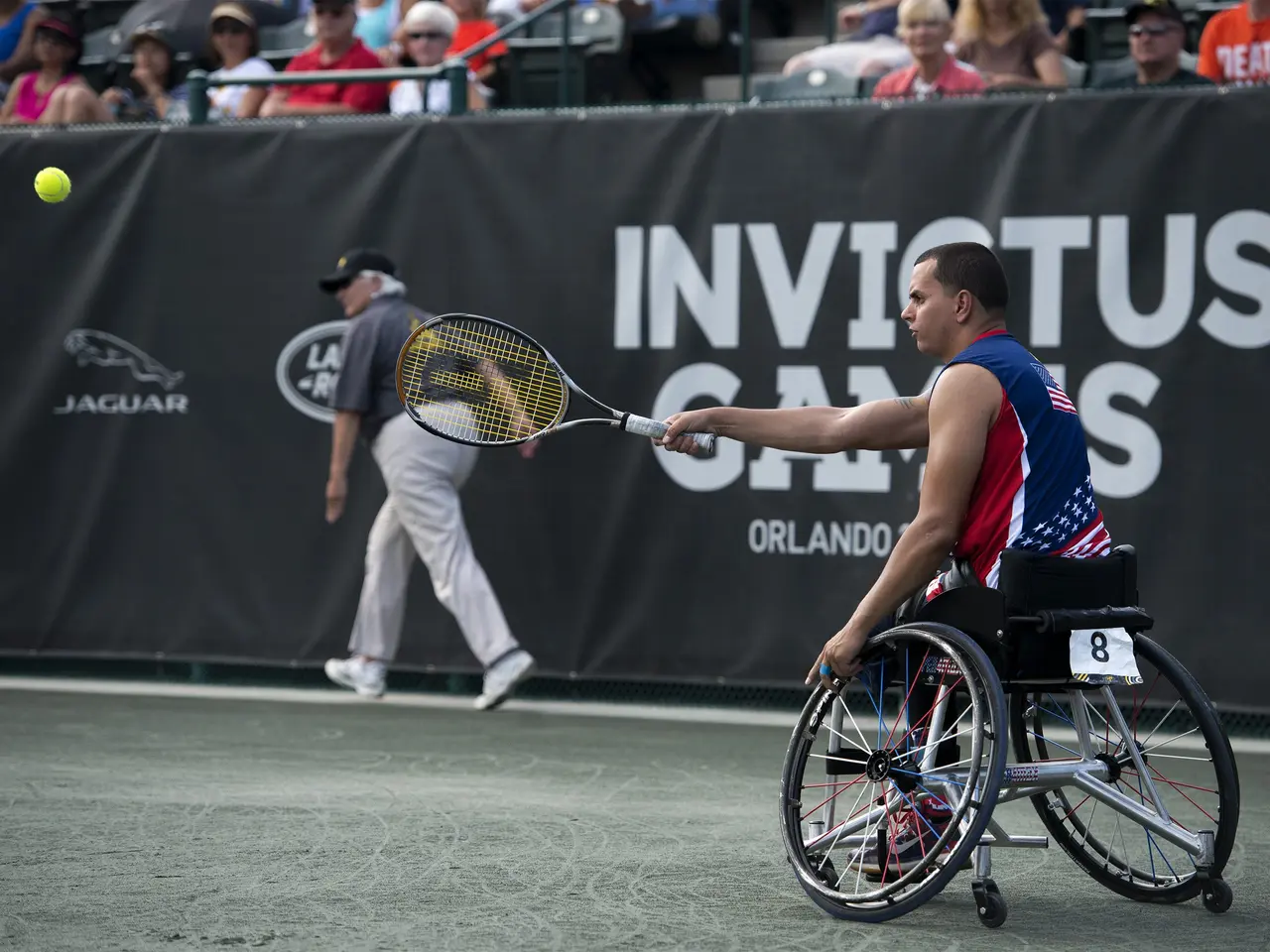
The stands are packed. The noise is deafening. Not the polite clapping of tennis, but real roars, real passion. People crowd around the court. Some lean against the barriers, others strain forward as if they could carry the ball with them. I roll to the baseline. For a split second, I take it all in—the tiers, the light, the voices. And then I know: this is bigger than just a match. Wheelchair tennis takes center stage at the Erste Bank Open.
No side court. No morning time slot. No afterthought. Instead, chants. Applause. Tension. I strike the ball. And for a moment, everything feels natural. But it isn't. Moments like this don't happen by accident. They require people brave enough to change the system. Willing to invest. Who understand that inclusion isn't a risk—it's an opportunity.
"All in" – A Bold Commitment
Tournament director Herwig Straka and his team did just that. They didn't just tack on a wheelchair tennis event—they went all in. They made me an inclusion ambassador, not as a token gesture, but as an equal. And they made it clear. At the official press conference, I stood alongside Sebastian Ofner as a player. In pre-tournament interviews, I shared the stage with tournament ambassador Thomas Muster. Wherever the Erste Bank Open was discussed, wheelchair tennis was part of the story.
And the message resonated. Even before the tournament began, I saw it firsthand during a routine training session at Marx Halle. Normally, my coach watches—maybe my grandma. This time, spectators gathered. They stayed. They watched. They asked questions. For most tennis players, this is everyday life. For wheelchair tennis players, it's anything but.
Not a Given
Visibility in disability sports is rare. And that's exactly what makes it so precious. Then came the match. Packed stands. Goosebumps. Electric energy.
The result wasn't what I wanted. I lost. Of course, it stings—especially when you want to deliver, when so many eyes are on you, when you want to prove you belong on this stage not just symbolically, but as an athlete. But as I thanked the crowd after the final point, I realized: this event was bigger than the score. Because it wasn't just about one match. It was about the business breakfast in Marx Halle, where wheelchair tennis was discussed as an economic force. It was about "Nico Langmann and Friends," fostering connections within the para-sports community. It was about the wheelchair obstacle course, where visitors could experience firsthand how demanding movement on wheels really is.
It was also about the Nico Langmann Foundation booth—conversations with parents, with children, with people suddenly grasping what's possible in sports. This tournament didn't just fill a week's schedule. It sent a message. A loud one. When the singles final is played in Wiener Stadthalle, it's more than a sporting highlight. It's an image that lingers. Wheelchair tennis at the heart of the country's biggest tennis stage. As a little boy with a disability, I once sat in those very stands, captivated by the sport—but never truly imagining I'd one day be down on that court.
Today, I know: perceptions shift when realities are created. Inclusion doesn't happen quietly. It needs a stage. It needs courage. And it needs people to make it happen. What began in Vienna must not be a one-off. The impact of this event reaches far beyond a single week. It reaches into minds. Into children's bedrooms. Into training halls. Into boardrooms. Maybe at the next tournament, another child in a wheelchair will sit in the stands. And maybe they won't just think, "This is nice to watch."
Maybe they'll think: "This is my place."And then we'll have truly taken a step forward.