Vladivostok chokes under thick smog as emergency measures kick in
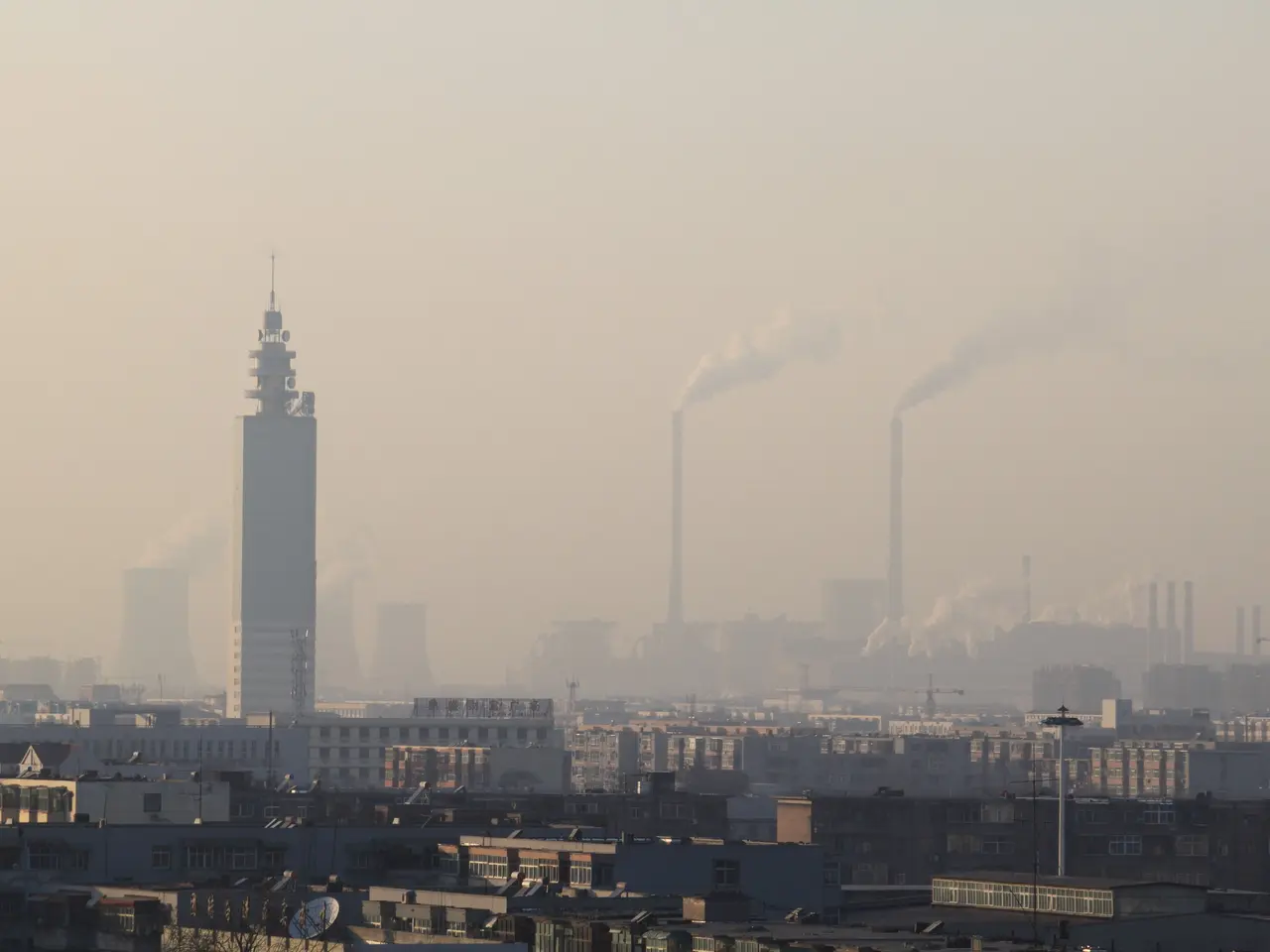
Thick smog has once again engulfed Vladivostok, raising concerns over air quality and public health. Authorities have activated emergency measures as adverse weather traps pollutants close to the ground.
Residents reported breathing difficulties and poor visibility during a similar event on March 17, with conditions expected to worsen before improving. A new wave of heavy smog is forecast for Primorsky Krai from 10:00 p.m. on May 21 until 2:00 p.m. on May 22. The stagnant weather prevents pollutants—including vehicle exhaust, industrial emissions, and wildfire haze—from dispersing, causing them to linger near ground level.
Doctors have urged people to stay indoors, keep windows shut, and wear protective masks when outside. Fine particles in the smog can penetrate deep into the lungs, increasing the risk of respiratory inflammation and heart problems.
In response, major industrial sites, particularly coal-fired plants, have cut production or temporarily halted operations. These facilities, identified as key pollution sources, are now running under a special low-emission regime. The restrictions form part of the federal Clean Air project, a national Ecology initiative designed to reduce emissions during high-risk periods.
Such hazardous conditions have occurred multiple times in the region this spring, with March 17 seeing severe visibility reduction and widespread public complaints. The situation is likely to ease once meteorological conditions shift, allowing pollutants to disperse. Until then, authorities and health officials continue to monitor air quality while enforcing measures to limit exposure and industrial emissions.