US Superfund program struggles as budget cuts and tax shortfalls deepen crisis
The US Superfund program, which funds the cleanup of hazardous waste sites, is facing financial strain. Recent budget cuts and lower-than-expected tax revenue have raised concerns about its future. The issue is particularly pressing in New Jersey, where nearly 9 percent of the nation’s Superfund sites are located. The Superfund program operates under the 1980 Comprehensive Environmental Response, Compensation, and Liability Act (CERCLA). This law allows the EPA to identify dangerous waste sites, force responsible parties to cover cleanup costs, and use the Superfund Trust Fund when polluters cannot pay. Funding comes partly from taxes on oil and chemical companies, known as the 'polluter pays' tax.
In 2024, the EPA spent or allocated most of the $3.5 billion given to the Superfund Remedial program through the Infrastructure Investment and Jobs Act. Yet, by October 2024, tax receipts for the Superfund had fallen short of projections. The financial pressure grew worse in 2025 when Republicans proposed a bill to reduce the 'polluter pays' tax on petroleum and oil, a key revenue source for the program.
Budget cuts have added to the strain. In 2025, the EPA lost over 4,000 employees, shrinking its workforce to 12,849—the smallest since the 1980s. President Trump then signed a 2026 budget allocating $8.8 billion to the EPA, with just $282.75 million for Superfund—a 47 percent drop from the previous year. His 2027 proposal goes further, slashing EPA spending by half and cutting agency grants by $1 billion.
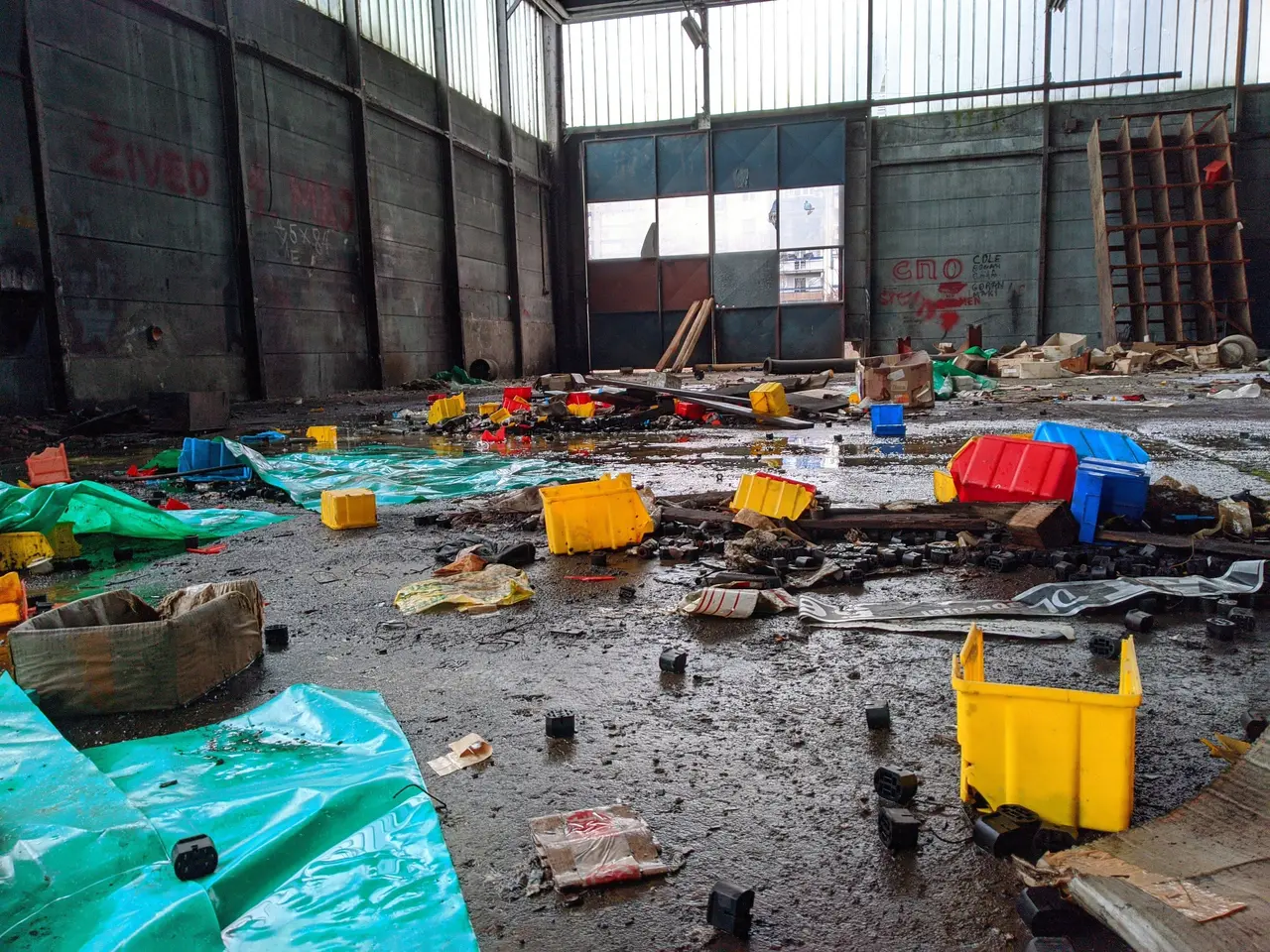
New Jersey faces a heavier burden than most states, hosting nearly 9 percent of the country’s Superfund sites. These include abandoned chemical plants leaking toxic waste, oil-filled lagoons, and rivers contaminated with dangerous chemicals. The state’s high concentration of sites makes funding shortages especially critical. The Superfund program now faces a dual challenge: rebuilding cleanup efforts while dealing with shrinking funds. With tax revenues underperforming and budget cuts deepening, the EPA’s ability to address hazardous sites—particularly in high-risk areas like New Jersey—could be limited. The outcome will depend on future funding decisions and whether proposed tax reductions move forward.