Skyrocketing jet fuel prices force airlines to slash routes and hike fares
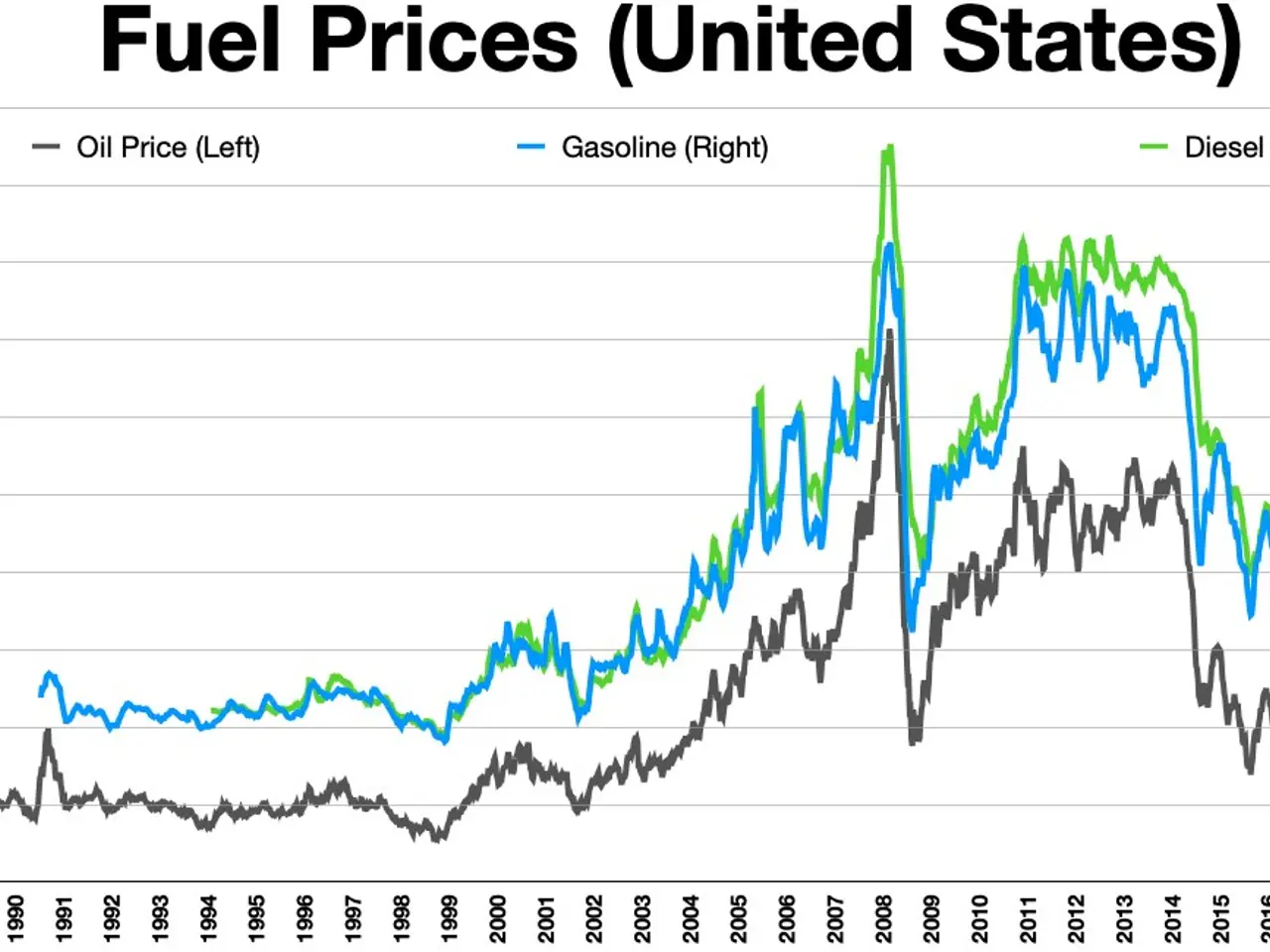
Rising jet fuel prices are putting pressure on airlines across Mexico and beyond. The surge—driven by ongoing conflict in the Middle East—has forced carriers to adjust fares, cut services, or even halt operations entirely. Low-cost airlines, already operating on thin margins, now face the toughest challenges.
Between January and March 2023, jet fuel prices in Mexico soared by 101%. Fuel already makes up 35% to 40% of an airline’s operating costs, and even small increases hit profits hard. Industry data shows that for every 10-cent rise in fuel price per gallon, an airline’s EBITDA falls by one percentage point.
The impact has been swift. Magnicharters suspended all flights, with analysts pointing to unsustainable fuel expenses as a key factor. In the US, Spirit Airlines stopped operations entirely after a liquidity crisis triggered by soaring oil prices. Meanwhile, Mexican budget carriers Volaris and Viva Aerobus—reliant on low fares—are especially exposed to these cost hikes. Volaris has responded by raising ticket prices and boosting frequencies on international routes. Aeroméxico, in contrast, targets travellers willing to pay more when fares climb. But for low-cost airlines, competing for budget-conscious passengers is becoming harder by the day.
The fuel price spike has forced airlines to make difficult choices, from fare increases to service cuts. Some carriers have already collapsed under the strain, while others adjust strategies to survive. The coming months will show whether these measures are enough to offset the rising costs.