Russia's Far East unveils bold tax-free zones to lure Chinese investors
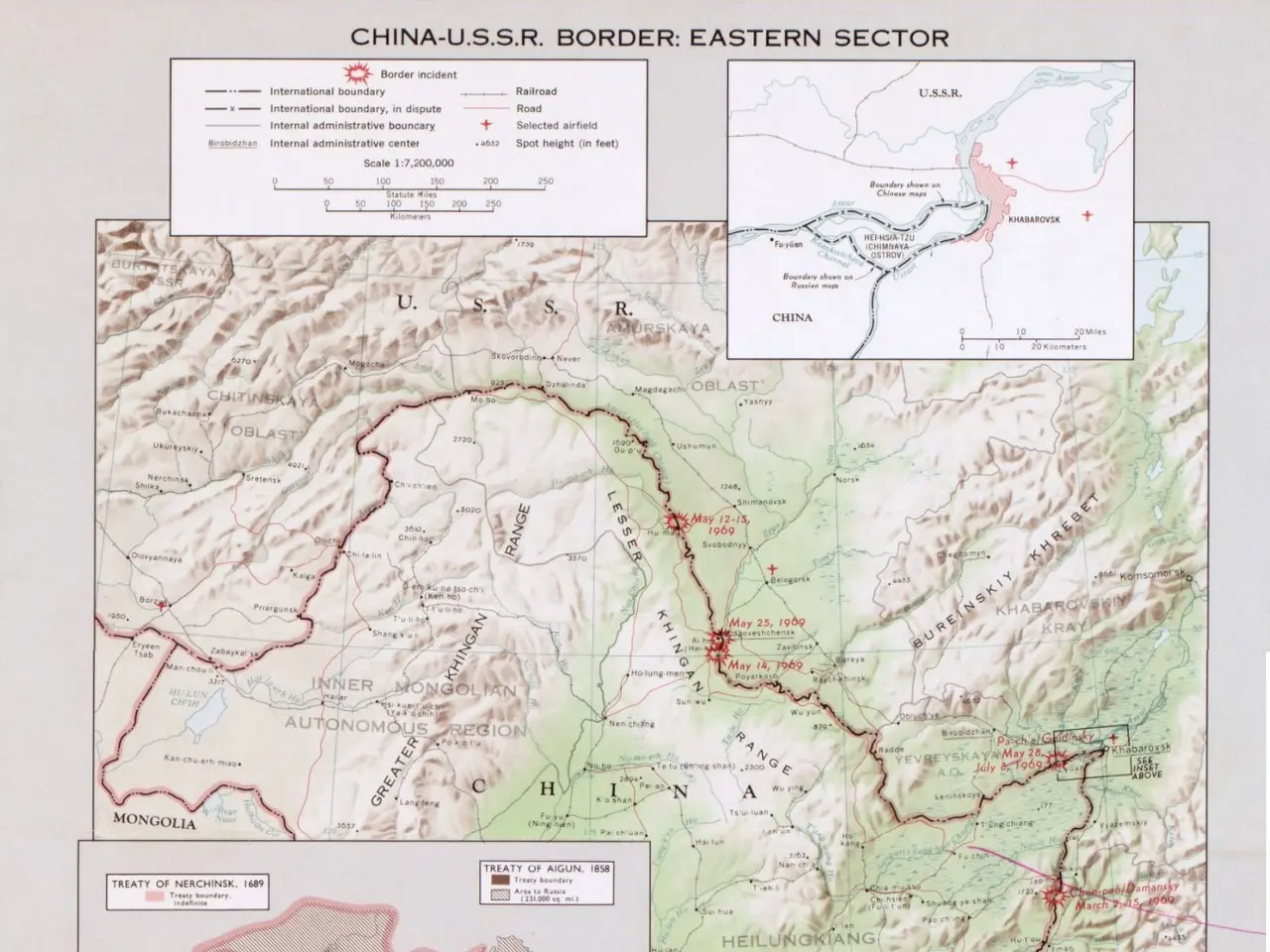
Russia’s Primorsky Krai and Amur Oblast will soon launch a new economic initiative. The International Advanced Special Economic Zone (IASEZ) aims to attract major investment with significant tax breaks and legal protections. Officials announced the first projects will begin within two months, with Chinese firms expected to lead the way. The IASEZ will officially start on January 1, 2026. The pilot regions, Primorsky Krai and Amur Oblast, will host the first developments: an agro-industrial park in Sukhodol Bay and an industrial park at the Rovnoye site.
Investors in the zone will benefit from a zero percent corporate income tax rate for ten years. Additional incentives include lower social insurance contributions, protection from unlawful sanctions, and a 15-year guarantee against changes in tax or regulatory rules. The system also reduces bureaucratic oversight, shielding businesses from excessive inspections. Alexei Chekunkov, head of Russia’s Ministry for the Development of the Far East and Arctic, confirmed the upcoming launch. Chinese companies are set to play a key role, with discussions already underway about exporting goods under the 'Made in the Far East ASEZ' brand. Exporters have highlighted potential shipments of Primorsky honey as one example of the trade opportunities.
The IASEZ promises long-term stability for investors, with tax breaks and legal safeguards lasting over a decade. The first projects will test the zone’s ability to attract foreign capital, particularly from China. If successful, the initiative could expand trade links between Russia’s Far East and northeastern China.