Tourists Visited by Hawaii's Climate Fee Requirement
In response to heightening climate concerns and the need for increased nature protection, Hawaii seeks to impose a climate fee on tourists. The fee, dubbed the "Green Fee," is set to fund projects aimed at combating environmental degradation and bolstering disaster resilience.
Hawaii is poised to become the first U.S. state to introduce such a fee, with the measure causing a stir in the hospitality sector. The plan includes an increase in the existing traveler tax, starting January 2026. The increase amounts to 0.75 percent, and for the first time, it will encompass overnight stays on cruise ships. This could elevate Hawaii's total tax burden for visitors to approximately 19 percent—one of the highest in the nation.
Governor Josh Green announced the initiative, stating, "As an archipelago, Hawaii cannot postpone action until the next catastrophe. We need to foster resilience now." The Green Fee is estimated to generate nearly $100 million annually, or around €88 million, to finance environmental initiatives and disaster recovery projects.
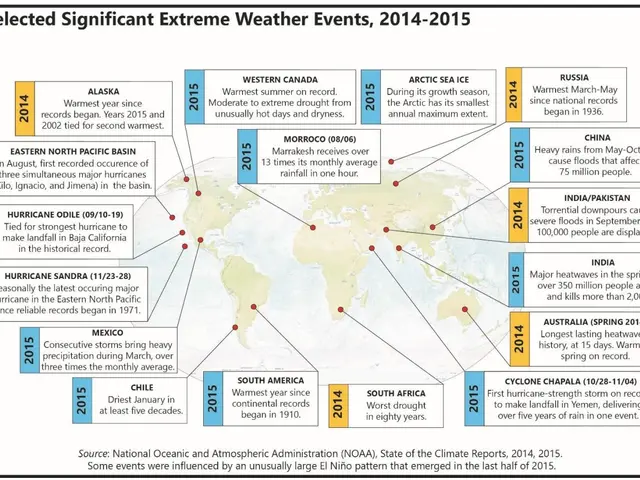
The government's decision follows the devastating wildfires on Maui in late 2023, which claimed more than 100 lives and left large portions of the island in ruins. Scientists warn of growing links between climate change and extreme weather events like storms, floods, and fires, emphasizing the urgency of preventative measures.
Hawaii Hotel Alliance President Jerry Gibson conveyed concerns about the financial impact on the tourism industry, expressing apprehension that the Green Fee would make Hawaii an excessively expensive destination. However, Carl Bonham from the University of Hawaii suggested that the tax increase may not significantly deter tourists from visiting the state, as they might choose to curtail spending on dining or excursions instead.
In 2023, approximately 10 million visitors flocked to Hawaii. The potential outcomes for the hotel industry and overall tourist spending are multifaceted, ranging from increased revenue for environmental initiatives to possible negative perceptions among visitors that could dampen demand.
The hotel industry will now be tasked with adjusting billing systems and training staff to collect and remit the additional fee. Rising visitor costs, though, could make the state a costlier option, potentially impacting local businesses beyond the hotel sector.
Source: ntv.de, lme/dpa
- The new "Green Fee" policy in Hawaii, aimed at combating climate change and funding environmental initiatives, falls under the umbrella of policy-and-legislation, particularly in the realm of environmental-science and policy-and-legislation.
- Amid growing concerns about climate change and its impact on extreme weather events like wildfires, as observed in the devastating Maui wildfires of 2023, the science community is emphasizing the necessity of preventative measures and climate policies.
- As the hospitality sector in Hawaii grapples with the potential financial implications of the Green Fee, the initiative underscores the intersection of climate policy, employment policy, and general news, as it pertains to the state's tourism industry and local businesses.