Robot Performs World's First Minimally Invasive Heart Bypass on 85-Year-Old
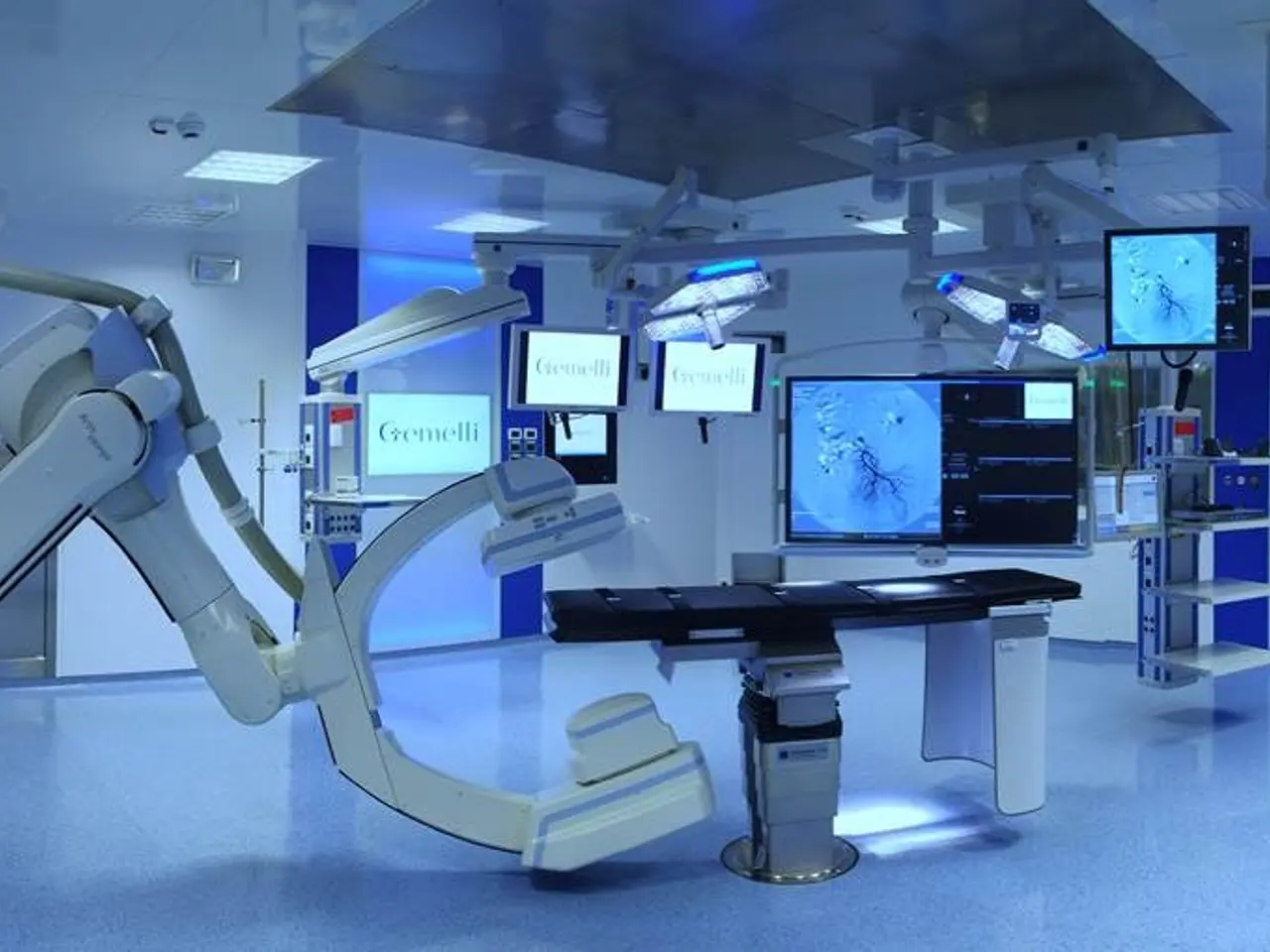
Using an advanced surgical robot, the internal mammary artery is precisely exposed and repurposed as a bypass vessel—all without opening the chest cavity. Thanks to reduced tissue trauma and minimized postoperative pain, this approach is exceptionally gentle and accelerates the healing process. An 85-year-old patient became the first to benefit from this intricate procedure, recovering well from surgery and being discharged home after just a few days.
The successful operation is the culmination of months of meticulous preparation and extensive training for the entire interdisciplinary team. "This technique is available in only a handful of specialized centers worldwide," explains Professor Diyar Saeed, Chief of Cardiac Surgery. At the Heart Center, he says, the focus is consistently on pioneering and minimally invasive treatment options. The integration of robotics in cardiac surgery now completes the center's broad spectrum of minimally invasive techniques.
With over 1,200 heart surgeries performed annually—most using minimally invasive methods—the Krefeld clinic ranks among Germany's leading cardiac surgery centers and continues to expand its range of services. At Helios Klinikum, robot-assisted surgery is already employed in visceral, urological, gynecological, and thoracic procedures. The technology enables experienced surgeons to perform highly complex operations—previously requiring open surgery—using keyhole techniques, while further refining existing minimally invasive methods to be even gentler and more precise.