Mexico's Cola addiction fuels a diabetes and obesity epidemic
The Sweet Epidemic: How Mexico Became the Kingdom of Diabetes
With a national per capita average of half a liter of Cola per day, from church rituals to baby bottles, the soft drink reaches everywhere in Mexico. What lies behind this sad record?
Can we define 'consumer choice' as that which occurs in the absence of alternatives? In Mexico, Cola consumption is a brutal case study: 160 liters per year per citizen, skyrocketing to 828 liters in the poorest areas such as Chiapas, in the south of the country. The NAFTA (North American Free Trade Agreement) has made American imported drinks more affordable than water itself, transforming a health emergency into a humanitarian and political paradox.
The Health Emergency. The Collapse of Mexico's System
What the WHO defines as 'the epidemic of the century' has led Mexico to have the highest rates of diabetes (now among the leading causes of mortality) and obesity in the world. The most tragic aspect concerns chronic complications: thousands of citizens every year undergo limb amputations due to untreated diabetic complications. It is a disturbing vicious circle fueled by poverty: in a country where Cola costs less than water, many get sick, but very few can afford treatment.
The extreme case of Chiapas. Where Cola ends up in baby bottles and on altars
Despite being one of the rainiest regions in Mexico, the population of Chiapas is dying of thirst. While multinationals extract over 1.3 million liters of water per day thanks to government concessions, it is common to see babies drinking Cola from a bottle instead of milk. Here the drink has even entered the church: in San Juan Chamula, it is used in liturgical rituals because it is believed that the belching caused by the gas expels evil spirits.
Between State Concessions and Cartel Extortions. The Pact Between Politics and Mexican Narcos
Mexican politics has historically rolled out the red carpet for the Atlanta giant. The rise of Vicente Fox, who moved from the presidency of Cola Mexico to that of the Republic in 2000, symbolizes an era of unscrupulous water concessions that drained aquifers in favor of bottling lines. Today, however, this hegemony is threatened by drug cartels. In states like Guerrero, drug trafficking has infiltrated distribution, imposing protection money on transport. In Ciudad Altamirano, entire plants have been closed for security reasons after refusing to pay extortions. The result is a distorted market where the price of a can is decided by the bosses.
Doubling the soda tax, funding healthcare, and bans in schools. The government's response challenges tradition
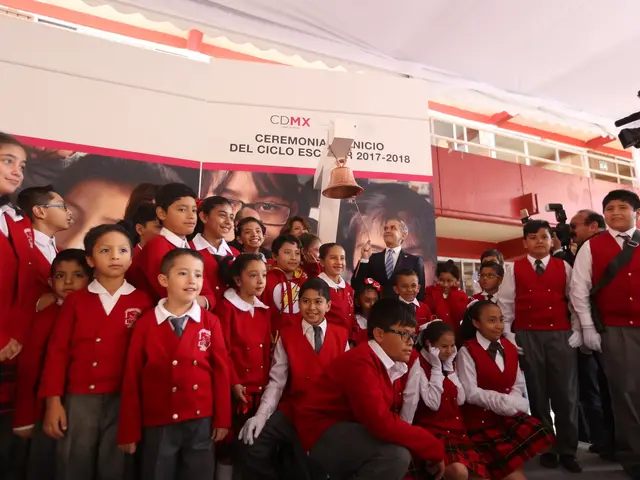
To counter the crisis, drastic measures have been launched. As of March 2025, there is an absolute ban on junk food and sugary drinks in schools, and from January 2026 the 'soda tax' - the tax on sugary drinks - has nearly doubled (from 1.64 to 3.08 pesos per liter). The goal is to generate 41 billion pesos for healthcare. However, experts' doubts remain: can a tax correct a culture where soda ends up in baby bottles? The challenge is not only to prohibit but to build: without massive investments in water infrastructure, the 'soda tax' risks becoming just an additional economic burden on the poorest segments of society.