Portugal's Storm Kristin Aftermath Leaves Thousands Without Fixed-Line Services
Nearly 20,000 customers remain without fixed communications services three months after Storm Kristin struck Portugal, the National Communications Authority (Anacom) told Lusa news agency.
"As of now, based on data provided to Anacom by operators, around 20,000 fixed-line connections remain affected following Storm Kristin" on January 28, the regulatory body overseeing communications and space activities stated.
In a written response sent to Lusa on Friday, Anacom reported that, as of Wednesday, it had recorded "around 1,200 written complaints related to the extreme weather events at the start of the year," not limited solely to Storm Kristin.
Among the primary issues are "delays in service restoration and/or recurring outages after repairs," along with reports of faults in fixed and mobile phone services, fixed and mobile internet access, subscription television, and digital terrestrial television.
Other problems highlighted by Anacom, led by Sandra Maximiano, include "difficulties contacting operators through the available channels"—in these cases, typically "long wait times on customer service lines or an inability to reach an operator at all"—as well as written reports submitted via email or customer portals going unanswered.
Additional complaints involve "no estimated timeline for full service restoration, billing issues (charges for periods when services were unavailable, delays in processing credits, or insufficient refund amounts), contract cancellations due to prolonged outages, technician no-shows or rescheduled appointments," and "inadequate mobile network offers due to poor coverage and performance."
The list also includes "downed poles, fallen cables, and open junction boxes," as well as "difficulties submitting and processing early termination requests, particularly concerning potential penalties," Anacom clarified.
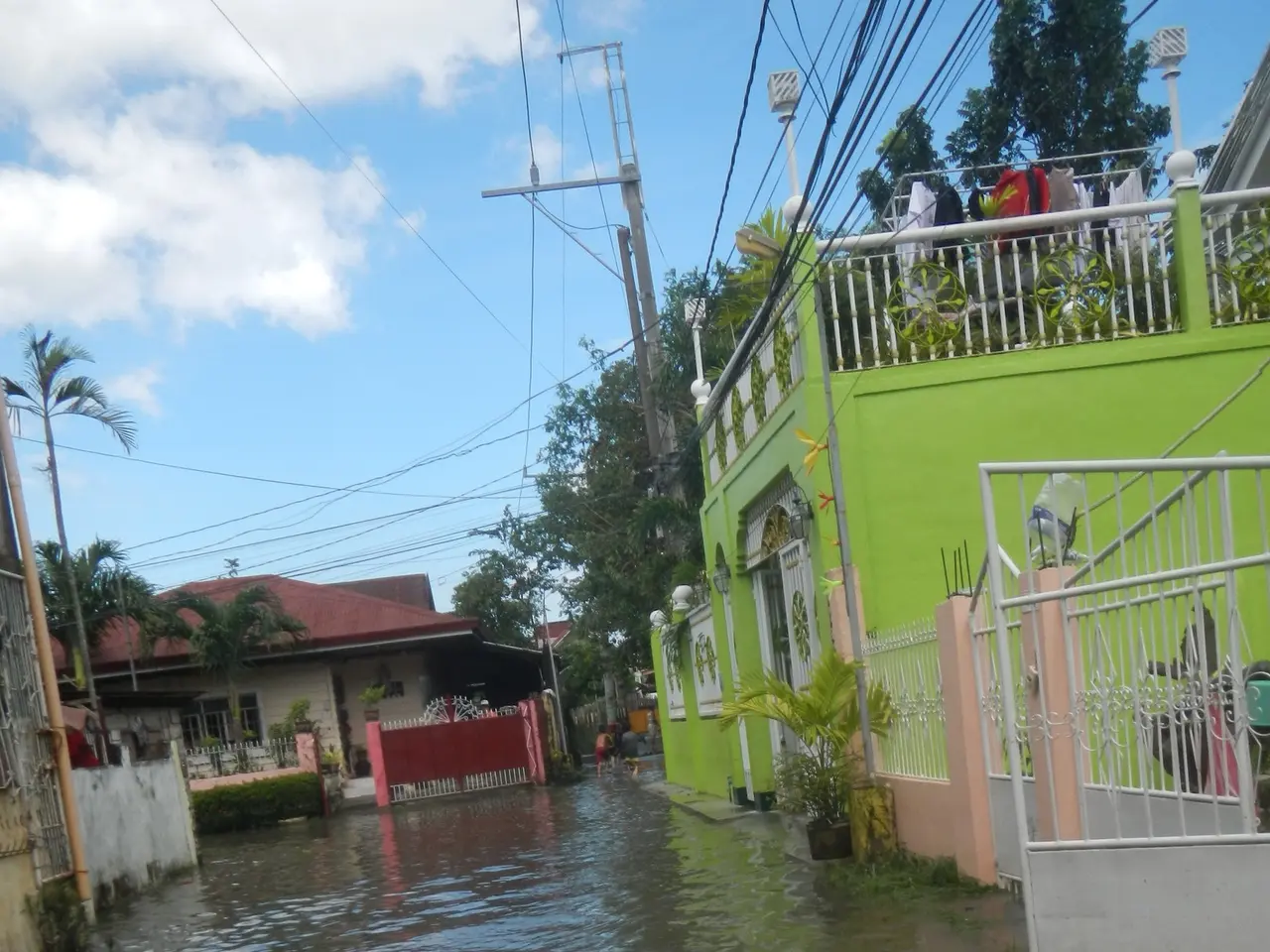
Recalling the early hours of January 28, Anacom noted that Storm Kristin caused "widespread destruction of communications infrastructure," severely damaging overhead cable routes (fiber optic) and support towers for antennas (used by mobile networks and broadcasters alike).
"As a result, communications services became inoperable, affecting over 200,000 fixed-line connections and 300,000 mobile users," the authority observed. It added that electronic communications companies and infrastructure providers immediately deployed a large workforce to repair the damaged networks. However, "given the vast geographical scope of the damage, recovery efforts had to be prioritized."
"In the early days, generators, satellite links, microwave transmissions, and portable mobile stations, among other solutions, were installed to meet the specific needs of recovery teams," coordinated by Civil Protection.
According to Anacom, "in the initial phase, electronic communications operators focused on restoring the network backbone to ensure connectivity to major population centers (key routes) and repairing mobile networks, which have been operational since early April."
However, the regulator warned that restoring the fixed-line network will take significantly longer, as it requires "rebuilding much of the access network's infrastructure from the ground up"—connecting every home and business, a process that "could take many weeks in some cases." Full recovery, the agency added, "may take weeks to achieve."