Over a hundred perished in Nigeria due to devastating floods
Central Nigeria grapples with escalating flood deaths, now reaching 151, after the harsh rainfall of the past few days. Agency for Management of Emergencies spokesperson, Ibrahim Audu Husseini, informed AFP on May 30th that more bodies were discovered, with the number expected to rise even higher. The earlier count, taken midday on the same day, reported 88 casualties.
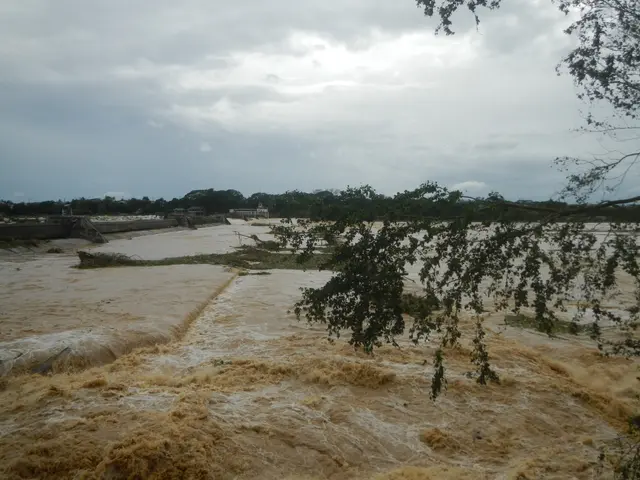
Houses were swept away in the city of Mokwa, causing numerous drownings, as intense rainfall lashed down on Wednesday night. Rescue teams remain on the ground, tirelessly searching for the missing persons.
Heavy rainfall during the rainy season, which usually spans from May to September, frequently triggers floods in Nigeria, Africa's most populous country. Experts believe that climate change contributes to the worsening of extreme weather events, further complicating the problem. Floods are exacerbated by inadequate drainage, building in flood-prone areas, and the improper disposal of waste in drainage systems.
The Nigerian Meteorological Agency had earlier warned of imminent and quick floods in 15 of the country's 36 states, between Wednesday and Friday. In light of the increasing floods, Nigerian President Bola Tinubu called for increased funding for rescue operations and the implementation of alerts to minimize the devastating impact of environmental disasters in the previous year. Emergency services clamor for more support from the government to manage the extent of the damage and reduce human casualties.
Further details about the healing process, displacement, and injuries can be found in a related article, "Historic floods in Nigeria: 'We have learned to survive in this aquatic world.'" For additional information about the current floods, read our article, "Floods kill 30 and displace 400,000 in Nigeria," available on our website with AFP.
As international attention is drawn to Nigeria due to these tragic events, calls for urgent action to reduce fossil fuel emissions, a significant contributor to climate change, and increase climate funding for vulnerable regions like Africa are growing louder. Addressing the impacts of climate change and providing assistance to affected areas is essential for both local and global recovery. Key infrastructure improvements, including the construction of waterways, are recommended to prevent future disasters. Global cooperation is essential to mitigate climate change, while robust disaster preparedness and response mechanisms must be established to minimize impact and support affected communities.
Science and environmental science communities are expressing growing concerns over the exacerbation of extreme weather events like floods in Nigeria due to climate change. In response, political discourse surrounding the reduction of fossil fuel emissions and increased climate funding for vulnerable regions like Africa is gaining momentum. Implementing key infrastructure improvements, such as the construction of waterways, is crucial for disaster prevention, as advised by experts.