Kazakhstan's autism breakthroughs: AI therapy and growing inclusion efforts
Astana Hosts "Research and Development for Autism" Conference
The "Research and Development for Autism" conference, organized in part by an association led by Professor [Name], recently took place in Astana. Leading doctors, scientists, and experts gathered to discuss modern approaches to supporting children on the autism spectrum. Participants were introduced to the APRIL system—a solution combining social robots, an AI platform with ten autism-focused tools, and evidence-based skill-development methods.
"Nazarbayev University consistently advances interdisciplinary research and supports projects aimed at addressing pressing social challenges. Science is not just about publications—it's about making a real impact on people's lives," emphasized the university's vice president, [Name].
The robots enable hundreds of standardized exercises and adapt sessions to each child's individual needs. This technology is already in use at seven rehabilitation centers across Kazakhstan, assisting over 500 children. The AI platform tracks the development of social and cognitive skills through a personal account, where parents can access training modules, tests, and questionnaires.
"The development of specialized robots helps children establish contact and sustain attention more quickly," experts noted.
"A seven-year-old girl made eye contact with her mother for the first time after just a few sessions. Before, she had avoided it entirely. She first observed the robot, which has a gaze-tracking function, and then transferred that skill to her interactions with her mother," shared the professor.
Since 2019, a research team—including students—has collected and analyzed video data over five years, with findings published in top-tier (Q1) international scientific journals. In 2023, the team launched the first therapy room in Pavlodar and won a prestigious award at a leading conference on the topic in Switzerland. Since then, Kazakhstan has joined the ranks of countries integrating robot-assisted therapy into autism intervention practices.
The conference also showcased EZPECS, a digital platform designed to develop speech, communication, and reading skills. Developers stressed that these technologies complement specialists' work, enhancing the effectiveness of rehabilitation.
Globally, the number of children with autism spectrum disorder (ASD) continues to rise rapidly. According to neurologist [Name], Astana's National Children's Rehabilitation Center treats around 4,200 children annually, with over 400 diagnosed with autism. Another 400 children arrive with different diagnoses that may mask underlying ASD.
"Our interdisciplinary team includes a coordinating physician, psychiatrist, audiologist, occupational therapist, speech therapist, special education specialist, and psychologist. We design personalized rehabilitation programs and train parents to better understand their child's needs through workshops," the specialist noted.
Participants placed special emphasis on shifting perceptions of autism. Experts noted that the concept of neurodiversity—which frames autism not as a disorder but as a lifelong developmental difference—is increasingly gaining traction.
Autism diagnosis, they explained, is not based on laboratory tests but on observing a child's behavior and developmental patterns. The discussion also highlighted a growing move away from stigmatizing terminology in both scientific and professional circles.
Leading autism specialists also took the floor at the conference, addressing key issues such as early diagnosis, the role of symbolic and representational development in children, strategies for collaboration between government, society, and business, and social inclusion.
The chair of the Bolashak Charity board of trustees underscored the urgency of reforms in inclusion and comprehensive support for children with special needs, including those with autism and other developmental conditions. She stressed the need for dialogue among the state, businesses, parents, and public foundations.
"On the one hand, parents must raise their own awareness—first and foremost, about their children's rights. They need to take an active civic stance: when rights are violated, they should turn to the relevant authorities and, if necessary, defend their interests in court. On the other hand, the state must respond promptly to these demands and adopt cutting-edge approaches, particularly those recommended by the World Health Organization and specialized research institutes," she said.
According to the latest data, nearly 1,500 inclusion support centers now operate across the country—a dramatic shift over the past decade.
"We developed the inclusion support center model back in 2014–2015. We started with a pilot project, then presented it to the government. With the support of theAmanatparty, we scaled it up—today, these centers are open in 24 cities across Kazakhstan, and corresponding legal amendments have been made. Before, children with autism, Down syndrome, and other intellectual differences had only two options: closed specialized institutions or home schooling," she noted.
Now, these children can exercise their right to education in mainstream schools and kindergartens—a change made possible by recent legislative reforms, she emphasized.
"For example, we've introduced the role ofassistant teachersand enshrined the right to individualized education plans. At the same time, inclusion support centers are being opened in schools. Now, we're moving to the next phase—working with colleges to ensure these children can access vocational education," the expert concluded.
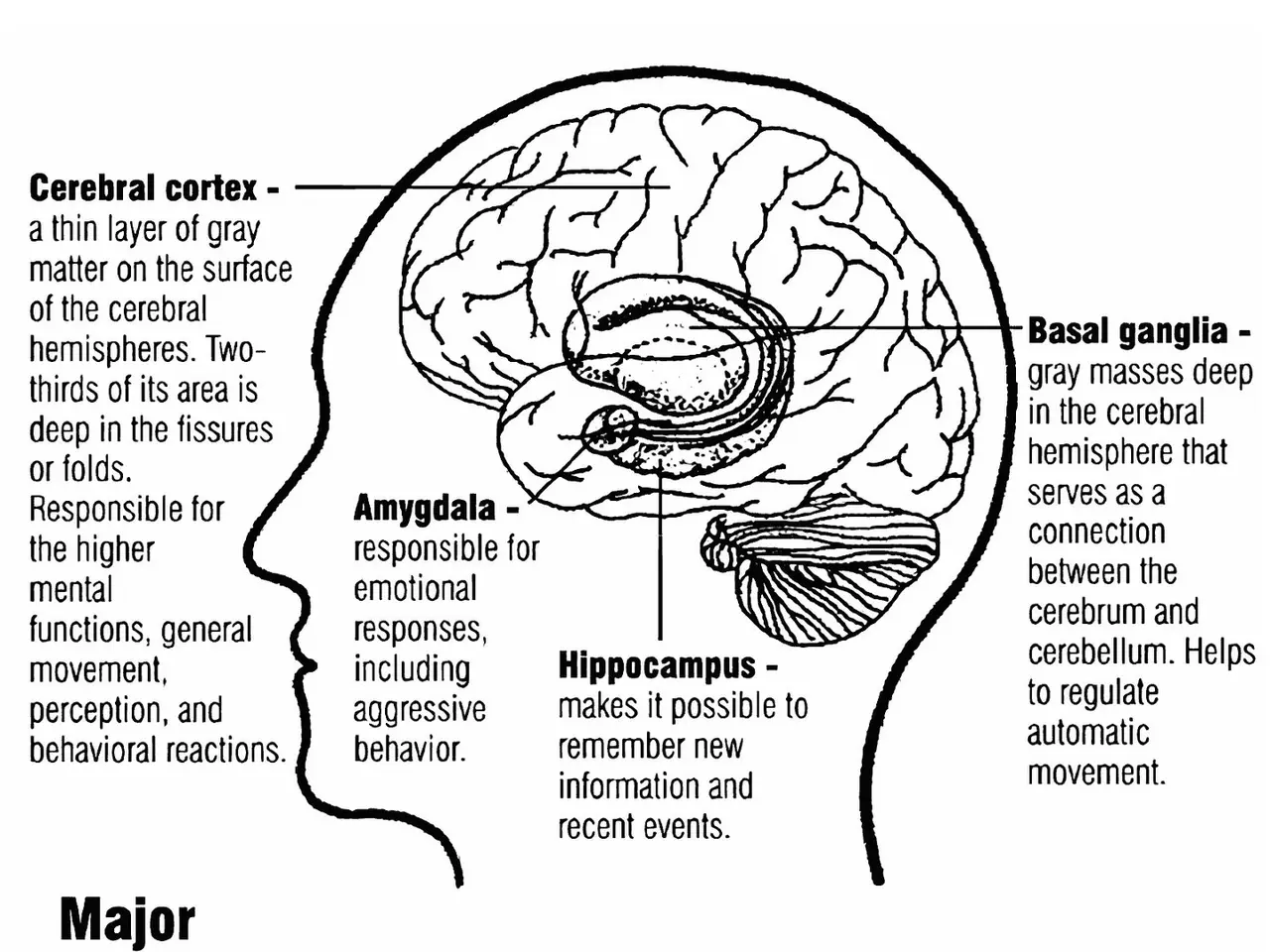
In her presentation, a child psychiatrist addressed the neurobiological foundations of autism, explaining how the brain of a child with autism functions and how its unique mechanisms shape the clinical picture.
"From a neurobiological perspective, we're dealing with an imbalance between excitatory and inhibitory processes," she said. "To simplify, imagine a car where the gas pedal is always pressed, but the brake isn't working effectively. This system involves neurotransmitters—primarily glutamate and gamma-aminobutyric acid (GABA)."
She noted that this imbalance underlies sensory processing disorders. A child may react intensely to sounds, light, touch, or voices, and in some cases, this can lead to states where they become difficult to soothe.
Another key feature she highlighted was neural connectivity. Normally, as children grow, some neural connections are pruned—a process essential for cognitive development. In children with autism, however, this mechanism is disrupted: an excess of local connections persists, while more complex networks responsible for communication and contextual understanding develop more weakly. This explains their tendency toward detail-focused thinking—a child may see individual elements clearly but struggle to grasp the bigger picture or construct logical sequences.
"Early diagnosis and a well-structured intervention plan are critical," she emphasized. "Behavioral therapy forms the core of support. It's important to understand that there is no medication that treats autism itself. Pharmaceutical interventions are only used for co-occurring conditions, such as ADHD, anxiety, depression, or sleep disorders. Effective help requires a multidisciplinary approach, with a team of specialists—psychiatrists, neurologists, educators, speech therapists, and behavioral therapists—working together. This collaborative effort yields the best outcomes."
A mother of a child with autism shared her perspective on the support system, outlining key expectations for the state and specialized organizations.
"For parents, the most pressing question is whether our children will find their place in life," she said. "School is a closed environment—it provides academic knowledge but does little to develop the practical skills needed for independent living and employment. In this sense, the emergence of inclusion support programs offers hope."
She also discussed state-run rehabilitation centers, noting that while they currently operate at a high standard—with strong facilities, qualified professionals, and effective methodologies—their numbers are clearly insufficient.
From my own experience, we've been waiting for a spot at the National Children's Rehabilitation Center for three years now. Meanwhile, the child needs continuous support. Yes, there are options through the social services system, but most of these are private facilities with limited resources—small spaces, understaffed, and a much lower standard of care. If we want children to be as socially integrated and prepared for independent life as possible by the time they reach adulthood, we need to invest in them now. That's why we must expand the number of state-run centers and increase rehabilitation quotas, she emphasized.
Building an inclusive environment systematically demands coordinated efforts from the government, the scientific community, and society at large. But at the heart of this work must always be the child—and their right to full development, education, and participation in society.