Germany's cycling boom brings a deadly rise in road fatalities
One of the oddities of German politics is this: when car traffic increases, new roads are naturally needed. So in 2026, motorways will still be seriously expanded—despite the fact that funds for maintaining and repairing existing infrastructure are already scarce and fiercely contested. And, oh yes, there's also a climate crisis, but apparently expecting traffic policy to take that into account is asking just a little too much.
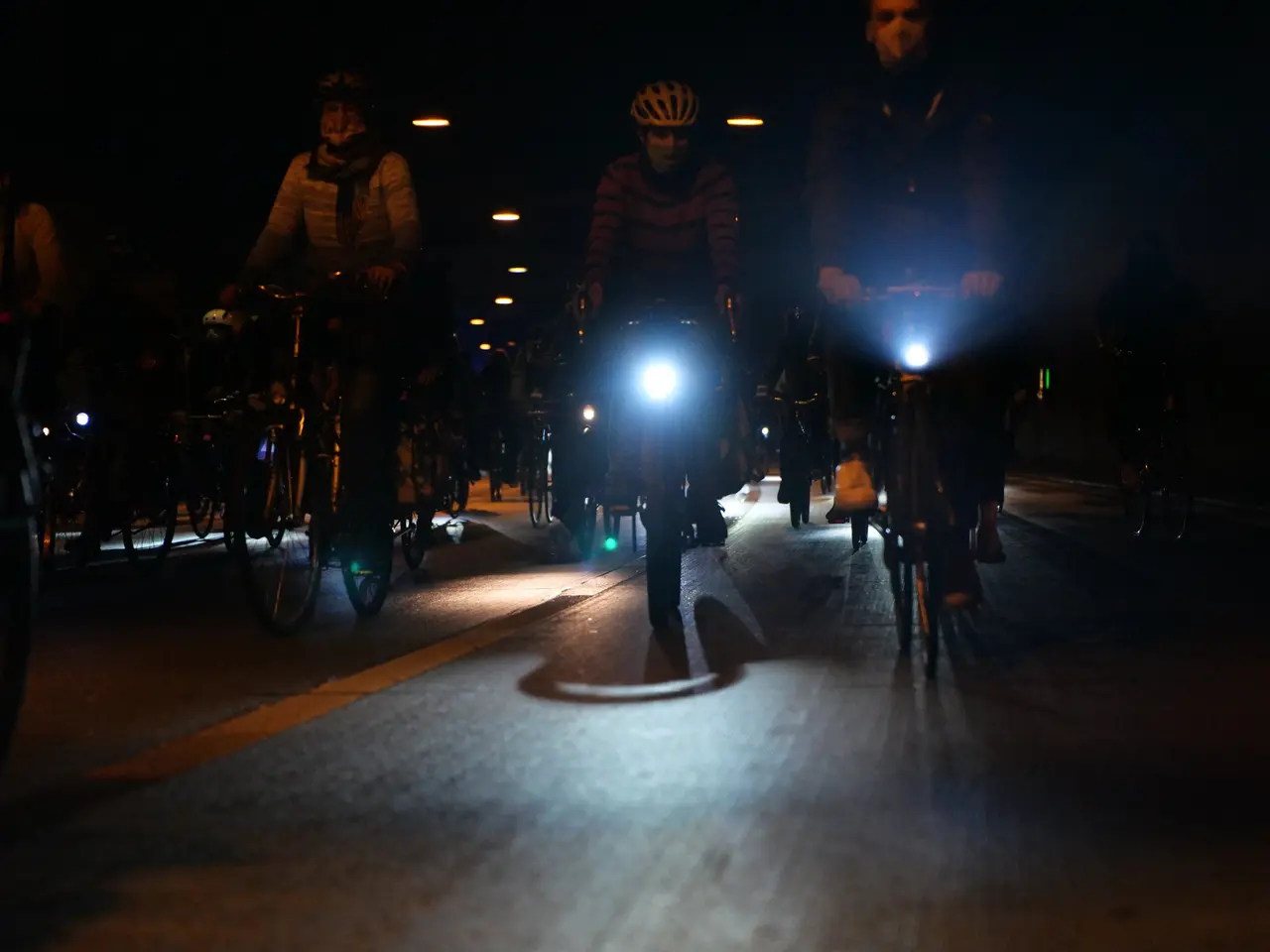
Yet cycling is on the rise regionally. More people are covering distances by bike, and with the popularity of e-bikes, even longer routes have become more manageable—especially for those who previously felt physically unable to tackle them. So what happens next? Do we get bike highways, comprehensive protected and wide cycle lanes, safer intersections for turning, perhaps even optimized traffic light sequences and reliable winter clearance? Maybe in a parallel universe. But certainly not here.
Where infrastructure is lacking, conflicts over road use arise. Where conflicts exist, accident risks climb. It's no surprise, then, that Germany's Federal Statistical Office now reports a rise in the number of cyclists killed in traffic last year. And while this increase is largely attributed to older e-bike riders, it should not be overlooked that most of them were not speeding recklessly into trees of their own accord. In the majority of cases, a second party was involved—and in most of those, that party was a motorist.
According to a recent analysis by the European Transport Safety Council, the number of cyclists killed across the EU fell by an average of 0.5 percent annually between 2014 and 2024. In Germany, meanwhile, it rose by 1.5 percent each year. The message is clear: things could be better. But politically, it seems, there's no will to make it happen.