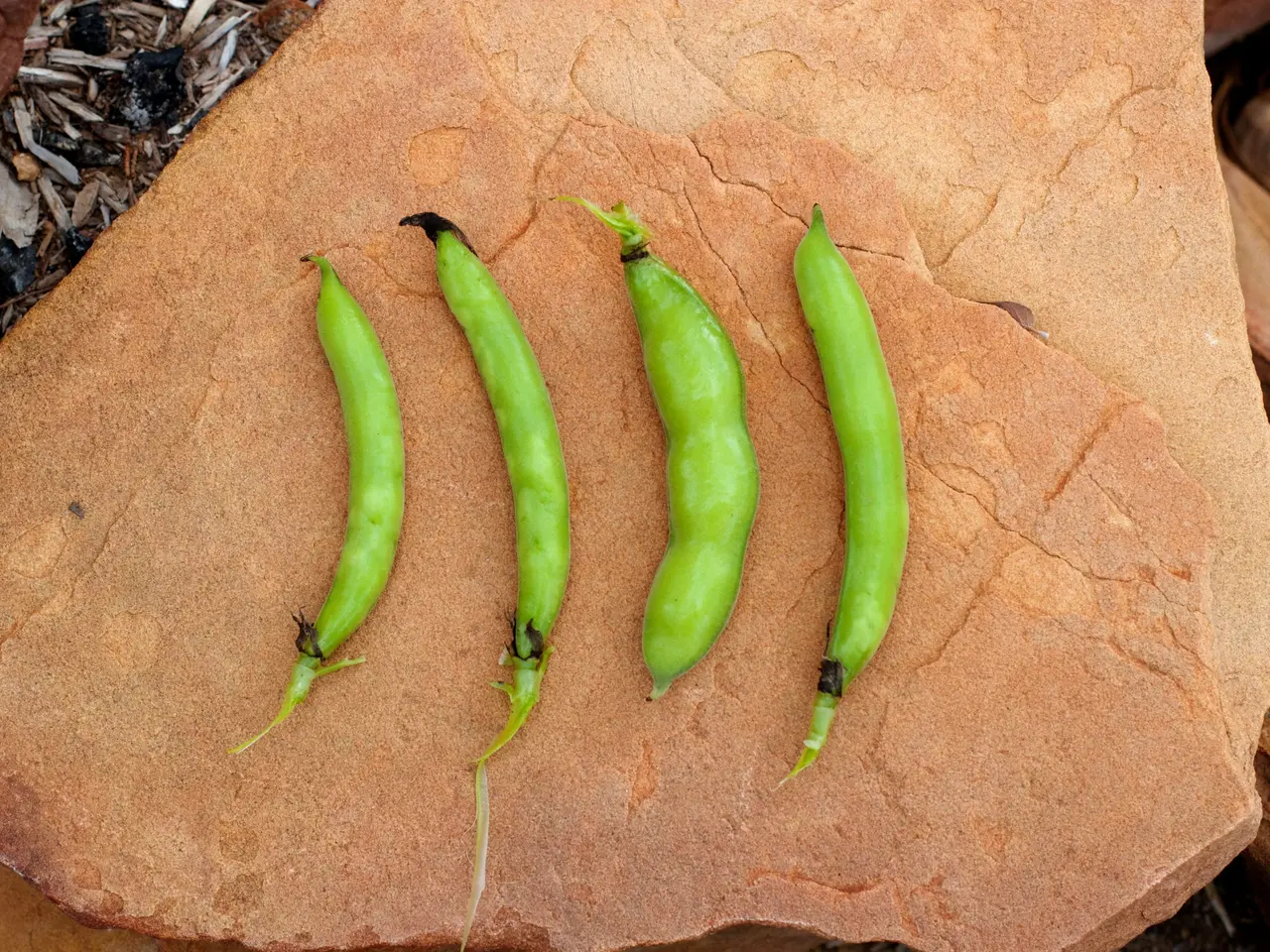
Europe's Fava Bean Boom Could Reshape Farming and Food by 2040
A new report highlights the growing importance of fava beans in Europe’s agricultural and food systems. Demand for the crop is expected to double by 2040, driven by both human consumption and export needs. Yet challenges like low yields and weak market demand still stand in the way of expansion. Currently, around 85% of Europe’s fava bean supply is used for animal feed. But by 2040, projections suggest 32% will go to human diets, while 20% will be exported. The crop’s ability to fix nitrogen in the soil could also cut chemical fertiliser use by 63,000 tonnes each year. This would reduce costs for farmers and lower pesticide use by over 200 tonnes.
Increased production could bring wider benefits. Farmer incomes might rise by up to 20%, while local supply chains would become less reliant on imports. The report estimates that protein meal imports could drop by 350,000 tonnes, easing supply chain pressures. Health impacts are another key factor. Modelling suggests higher fava bean consumption could lower rates of heart disease and type 2 diabetes, saving €42 million in healthcare costs. However, obstacles remain, including inconsistent crop quality, limited processing facilities, and low market demand. The report urges coordinated action across the entire value chain to overcome these hurdles. Without it, Europe may struggle to meet rising demand and miss out on economic, environmental, and health advantages.
Expanding fava bean production could transform Europe’s food and farming sectors. It would boost farmer profits, cut fertiliser and pesticide use, and reduce reliance on imports. But success depends on addressing current challenges and strengthening market support for the crop.