Ecuador Defies Public Vote, Keeps Drilling Oil in Yasuní National Park
A public vote in August 2023 ordered Ecuador to stop all oil drilling in Yasuní National Park. Yet over a year later, production continues unchecked. The government’s refusal to act has sparked further resistance from activists and legal challenges from the group behind the referendum. The referendum to protect Yasuní was led by the environmental collective Yasunidos. Their campaign succeeded, with voters demanding an end to drilling and the removal of existing wells. However, President Daniel Noboa’s administration has ignored the result, allowing state-owned Petroecuador to keep extracting more than 41,000 barrels of oil daily from the ITT Block 43.
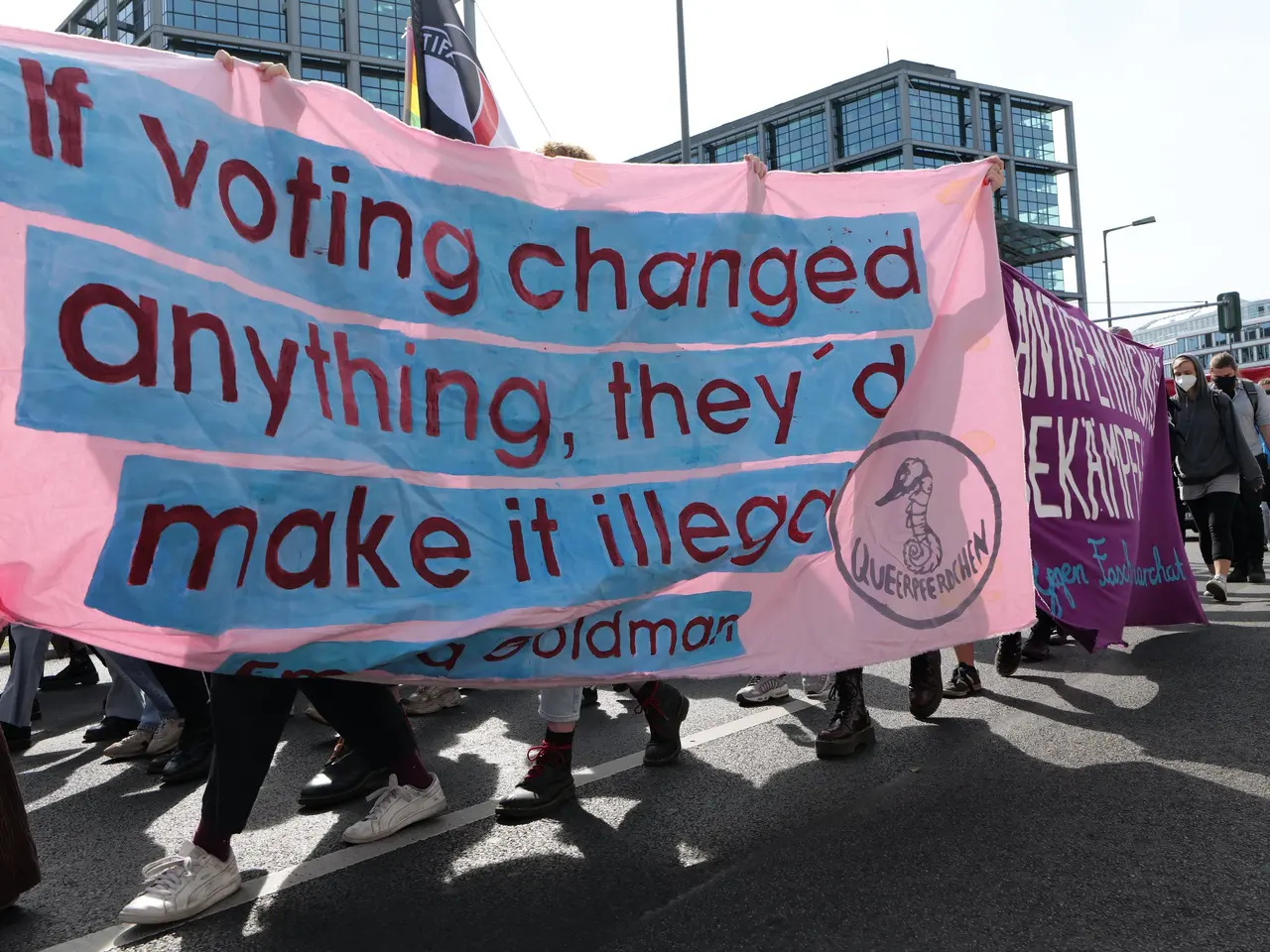
The government’s inaction has not gone unchallenged. Yasunidos has filed an extraordinary protection action with Ecuador’s Constitutional Court, arguing that a recent fine against two of its members is unconstitutional. Sofía Torres and Pedro Bermeo were each fined $9,000 for a minor accounting error—a $0.39 transfer fee logged in the wrong column during the campaign’s registration. The case took an unexpected turn when the Electoral Disputes Tribunal’s full bench reversed a lower-court ruling that had dismissed the charges. This happened even though Yasunidos had submitted the supposedly missing documents. The complaint itself was filed nearly two years after the fact by Diana Atamaint, president of the National Electoral Council (CNE). To cover the fines, the collective raised over $18,000 through crowdfunding. Human rights organisations, including INREDH and Democracy International, have criticised the government’s treatment of Yasunidos. They accuse the Noboa administration of suppressing environmental activism and undermining democratic processes.
Oil extraction in Yasuní continues despite the referendum’s clear mandate. Yasunidos remains defiant, pursuing legal action and public resistance. The conflict highlights a growing tension between Ecuador’s government and those fighting to uphold the vote’s environmental protections.