Afghanistan and UNICEF unite to expand healthcare in remote regions
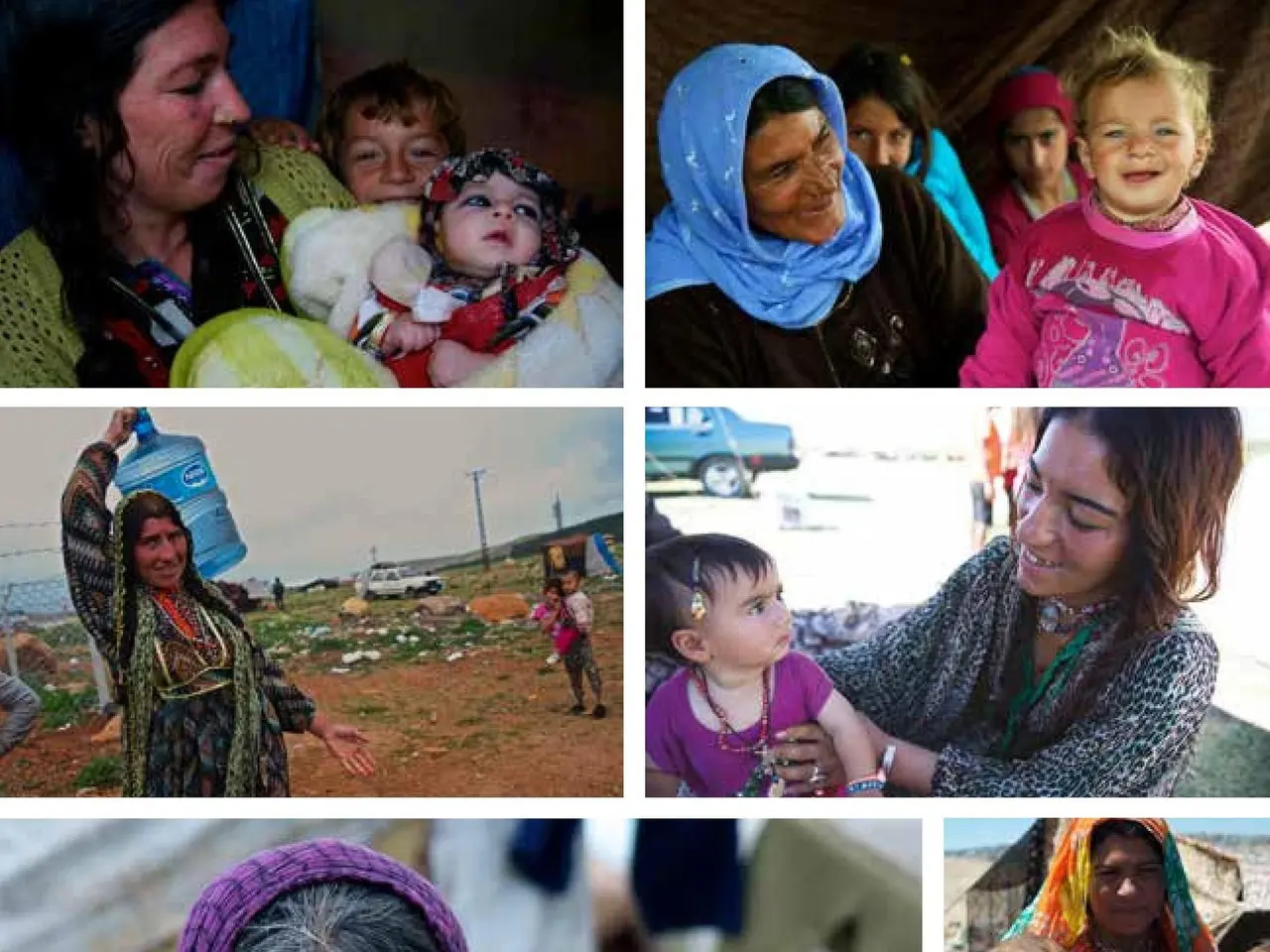
Afghanistan’s government and UNICEF have reaffirmed their joint efforts to boost healthcare across the country. A recent meeting in Kabul focused on expanding services in remote regions and improving access to essential care. The partnership aims to tackle critical gaps in maternal, child, and emergency health support.
Minister of Public Health Noor Jalal Jalali met with UNICEF Representative Dr Tajudeen Oyewale to discuss strengthening Afghanistan’s healthcare system. The talks covered vaccination programmes, maternal and child health, nutrition, and emergency medical services.
Both sides agreed to expand health facilities in underserved areas and improve joint monitoring of services. Minister Jalali emphasised the need for long-term support from international partners to sustain progress. In 2025, UNICEF helped deliver primary healthcare to over 20 million Afghans, including 5.6 million children under five. Despite this, nearly 22.9 million people—around half the population—required humanitarian aid that year, according to the WHO. UNICEF also projected that 21.9 million, including 11.6 million children, would still need assistance in 2026. UNICEF reiterated its commitment to Afghanistan’s health sector, focusing on immunisation, maternal care, nutrition, and emergency response. The organisation pledged continued collaboration to address the country’s pressing health challenges.
The partnership between Afghanistan’s Ministry of Public Health and UNICEF aims to widen healthcare access, particularly for vulnerable groups. With millions still in need of aid, the focus remains on scaling up services and securing long-term international backing. The efforts target remote regions where medical support is most scarce.