US energy independence reshapes global oil and gas markets in historic shift
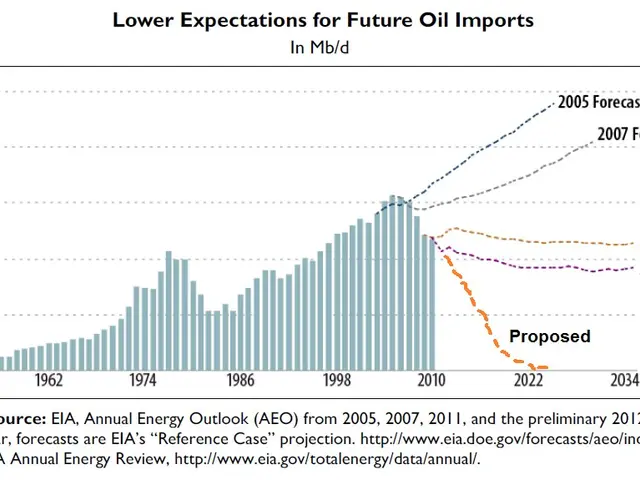
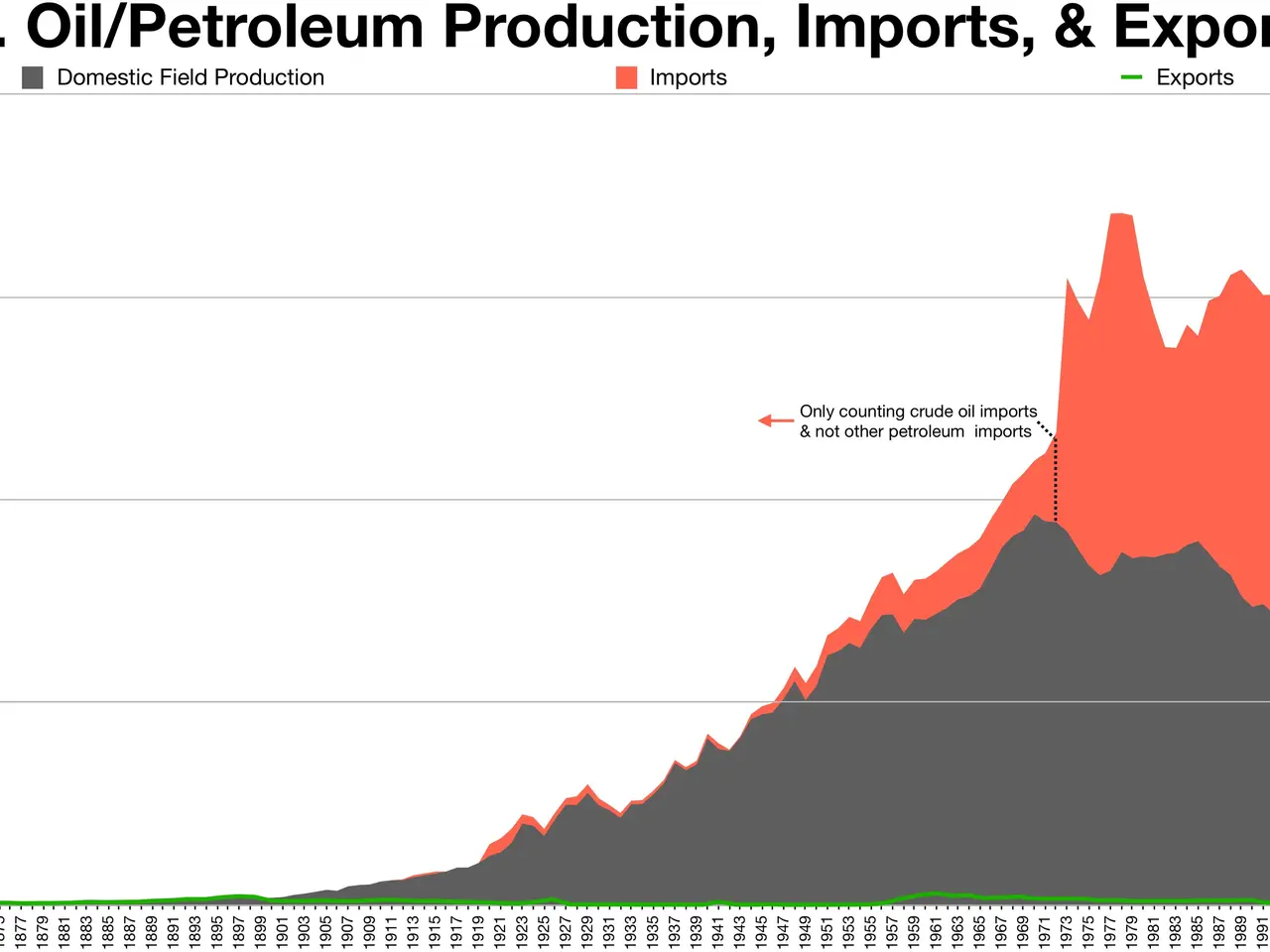
The United States has transformed its energy position over the past decade. Once heavily reliant on foreign oil, it now exports more petroleum than it imports. This shift follows a surge in domestic production and changing global dynamics.
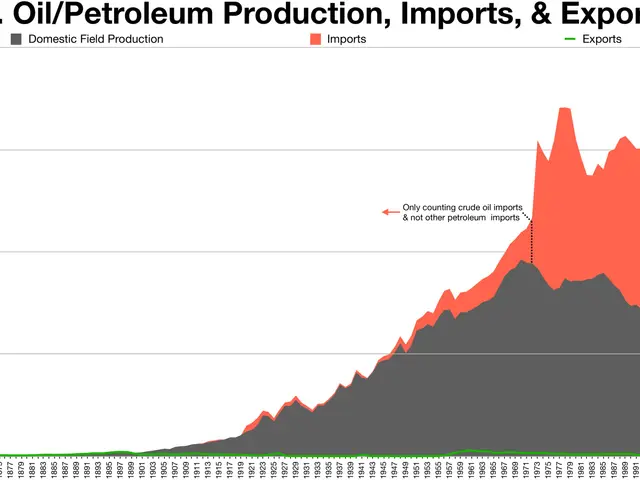
The recent decision by the United Arab Emirates to break away from OPEC has further shaken oil markets. Meanwhile, US natural gas prices have hit a 17-month low, contrasting sharply with rising costs in Europe and Asia. In the 1970s, the US depended on Middle Eastern oil. In 1973, it imported 36% of its supply, a figure that rose to over 40% by the time of the Iranian revolution in 1979. The Strait of Hormuz, a critical shipping route, became a flashpoint during conflicts, exposing the risks of relying on unstable regions.
The shale revolution changed everything. Domestic production more than doubled, jumping from 9.5 million barrels per day in 2010 to 19.3 million in 2019. By 2020, the US became a net exporter of petroleum for the first time in 70 years. This boom also pushed natural gas output to record levels, leaving producers struggling with oversupply.
During the Ukraine war, US gas exports provided crucial support to Europe. Yet, despite high global demand, American natural gas prices have fallen to their lowest in 17 months. The price gap between West Texas Intermediate and Brent crude has also widened, reflecting ongoing tensions in the Middle East.
Now, the UAE’s decision to leave OPEC marks another turning point. The move weakens the cartel’s influence and adds uncertainty to an already volatile market. The US energy landscape has shifted dramatically, reducing dependence on foreign oil while boosting exports. Record gas production has kept domestic prices low, even as Europe and Asia face higher costs. With OPEC’s influence waning and geopolitical risks persisting, the global energy market remains in flux.