Taraz finally tackles its decades-old wastewater crisis with a modern solution
Taraz to Build Wastewater Treatment Plant
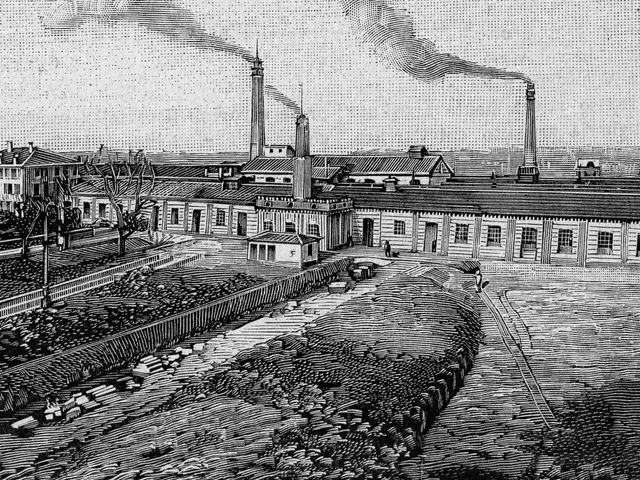
A long-standing issue plaguing residents near Taraz—the regional administrative center—and local authorities may finally be resolved: the lack of a proper biological wastewater treatment system. The problem stems from the city's sewage infrastructure, built in the 1960s during an industrial boom, which was never designed to include treatment facilities. Since then, the only "solution" has been filtration fields where toxic sludge is dumped and left to accumulate.
With Taraz's population growing year by year, so too does the volume of untreated wastewater. The crux of the issue is that these wastes are not processed but simply collect in settling ponds near the village of Kostobe. For decades, Taraz has remained the only city in the country without a biological sewage treatment system—a gap that has now escalated into a full-blown environmental, social, and economic threat.
The problem has been raised repeatedly in the media, reported to relevant national agencies, and debated by elected officials in local maslikhat councils and Parliament. Four years ago, then-Senator and current regional maslikhat chairman Abdyl Nuraliyev revived the issue at the government level in a parliamentary inquiry. At the time, he revealed that the ponds receiving the city's wastewater were overflowing—receiving 1.5 times their designed capacity—causing contamination to spread into neighboring districts. Laboratory tests confirmed alarming levels of solid waste and toxic substances, far exceeding permissible limits.
The consequences extend beyond foul odors: local farmers now face the risk of contaminated produce, as even technical use of water from the settling ponds has been deemed unsafe. With some agricultural lands situated dangerously close to the filtration fields, these waters pose a literal poisonous threat.
To be fair, local authorities have not been idle. While their efforts were rarely publicized, the issue was examined multiple times, with several potential solutions proposed—only to be repeatedly dismissed for various reasons. It is only this year that a clearer path forward has begun to emerge.
Local Water Utility Announces Progress on Taraz Wastewater Treatment Project
The latest updates were presented at a recent meeting chaired by Taraz akim (mayor) Bakytzhan Orynbekov. According to officials, the feasibility study for the construction of a modern wastewater treatment complex was completed between August and November 2023. In 2024, the project received approval from the state expert review board, followed by successful sectoral, economic, and financial assessments. This year, funding was secured for the design phase—a decision welcomed by local residents. Project leaders have now confirmed that design work is underway, with preliminary data being collected and field surveys in progress.
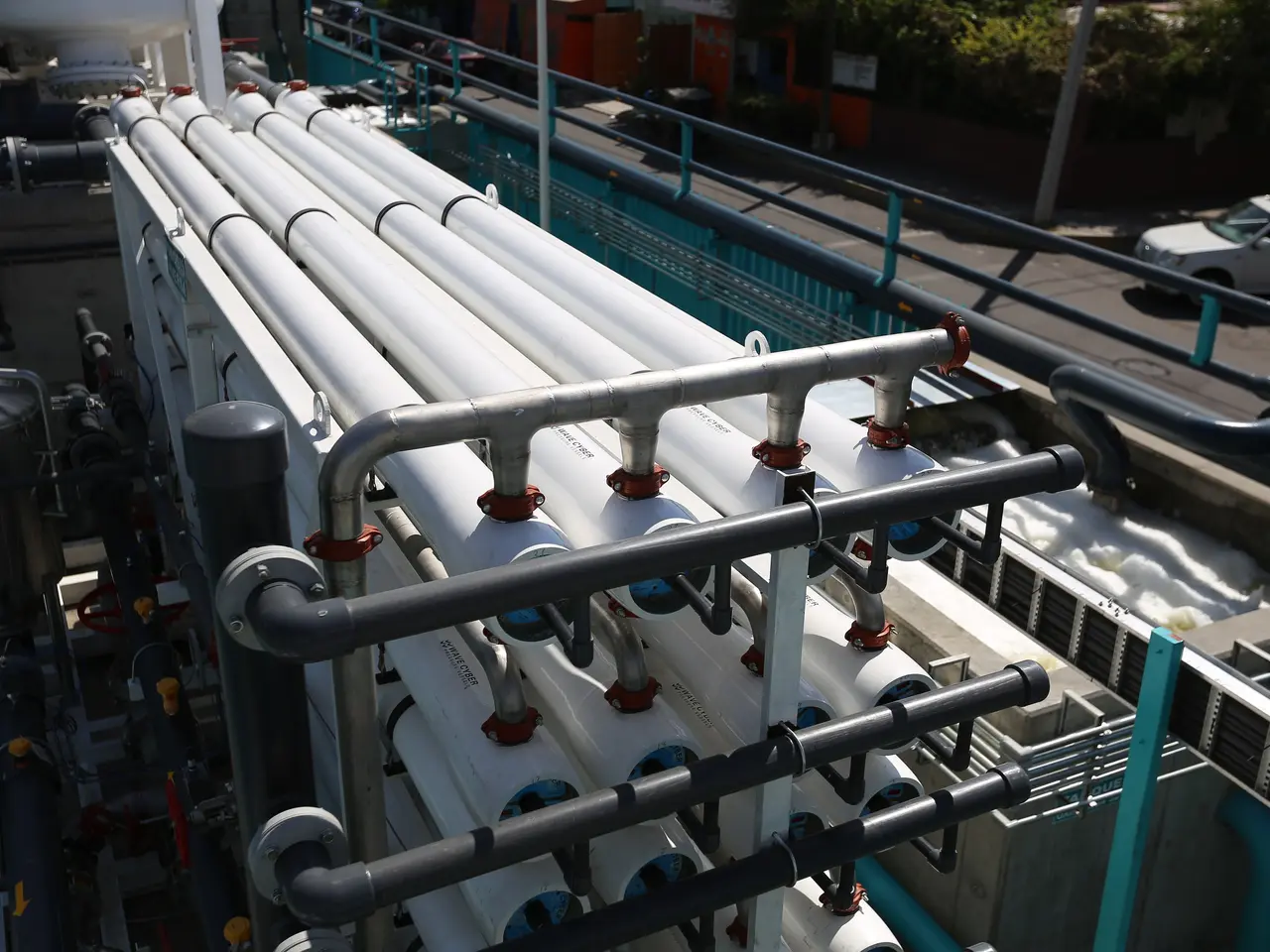
Project manager Murat Dzhaikishev reported that Taraz's sewage network spans 294 kilometers, with 43% of the infrastructure showing significant wear. The initiative, led by the municipal utility Zhambyl Su in partnership with regional and city authorities, aims to introduce cutting-edge treatment technologies, ensure full wastewater processing, and reduce environmental harm. To relieve pressure on the existing filtration fields—long used for untreated wastewater disposal—an additional 12 natural treatment basins have been constructed, leveraging soil-layer purification.
The project, as outlined, is expected to connect between 50,000 and 200,000 new users from 2028 to 2040, eliminate the discharge of untreated sewage entirely, and supply 80,000–100,000 cubic meters of treated water daily for industrial use. Processed sludge will also be repurposed for urban greening, while treated water will irrigate 1,000–1,500 hectares of agricultural land. Design work is slated for completion by the end of this year, with construction set to begin in 2025.