PMOS: The Hidden Syndrome Affecting Millions of Women's Health
Polyendocrine Ovarian Syndrome (PMOS), previously known as Polycystic Ovary Syndrome (PCOS), affects up to 13% of women worldwide during their reproductive years. The condition is linked to hormonal imbalances, insulin resistance, and long-term health risks, yet many cases remain undiagnosed and untreated. PMOS disrupts metabolic and endocrine function, leading to irregular menstrual cycles, weight gain, and systemic inflammation. Women with the syndrome face a fourfold higher risk of type 2 diabetes and increased cardiovascular problems, including hypertension and stroke. These risks persist even when obesity is not a factor.
Mental health is also severely impacted, with sufferers three times more likely to develop depression and up to five times more prone to anxiety disorders. The combined effects of these conditions reduce quality of life and contribute to earlier mortality.
Chronic pain is another common but understudied issue in PMOS. Most research has focused on supplements rather than structured pain management. Meanwhile, complementary therapies show mixed results, with little clear evidence of benefit for mental health or pain relief.
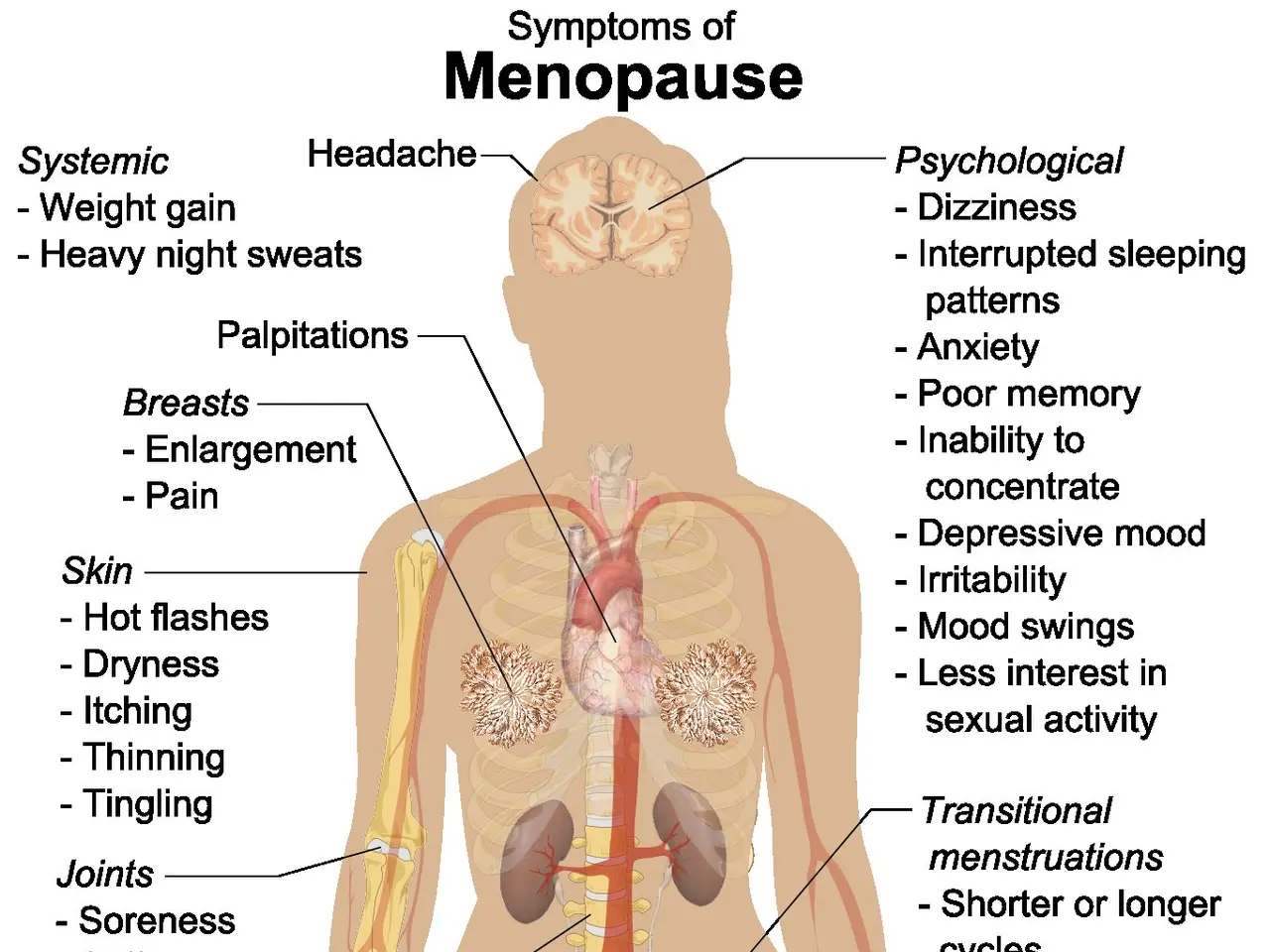
The syndrome’s effects extend beyond reproductive years, worsening metabolic and hormonal disturbances during perimenopause and menopause. In the US alone, 5 to 6 million women live with PMOS, yet diagnostic rates remain as low as 30%.
A recent scoping review highlighted that structured lifestyle changes—such as diet and exercise—can improve both metabolic function and mental health in women with PMOS. PMOS presents a complex challenge, combining metabolic, cardiovascular, and mental health risks that persist across a woman’s lifespan. While lifestyle interventions show promise, better diagnostic rates and targeted treatments are needed to address the syndrome’s wide-ranging effects.