Morocco's King Pardons 18 Senegalese Fans After Violent Cup Final Clashes
Morocco’s king has pardoned 18 Senegalese football fans imprisoned for violent incidents during the Africa Cup of Nations final. The decision came just days after a diplomatic meeting between the two nations aimed at strengthening relations. The pardon was announced during the Muslim holiday of Eid al-Adha.
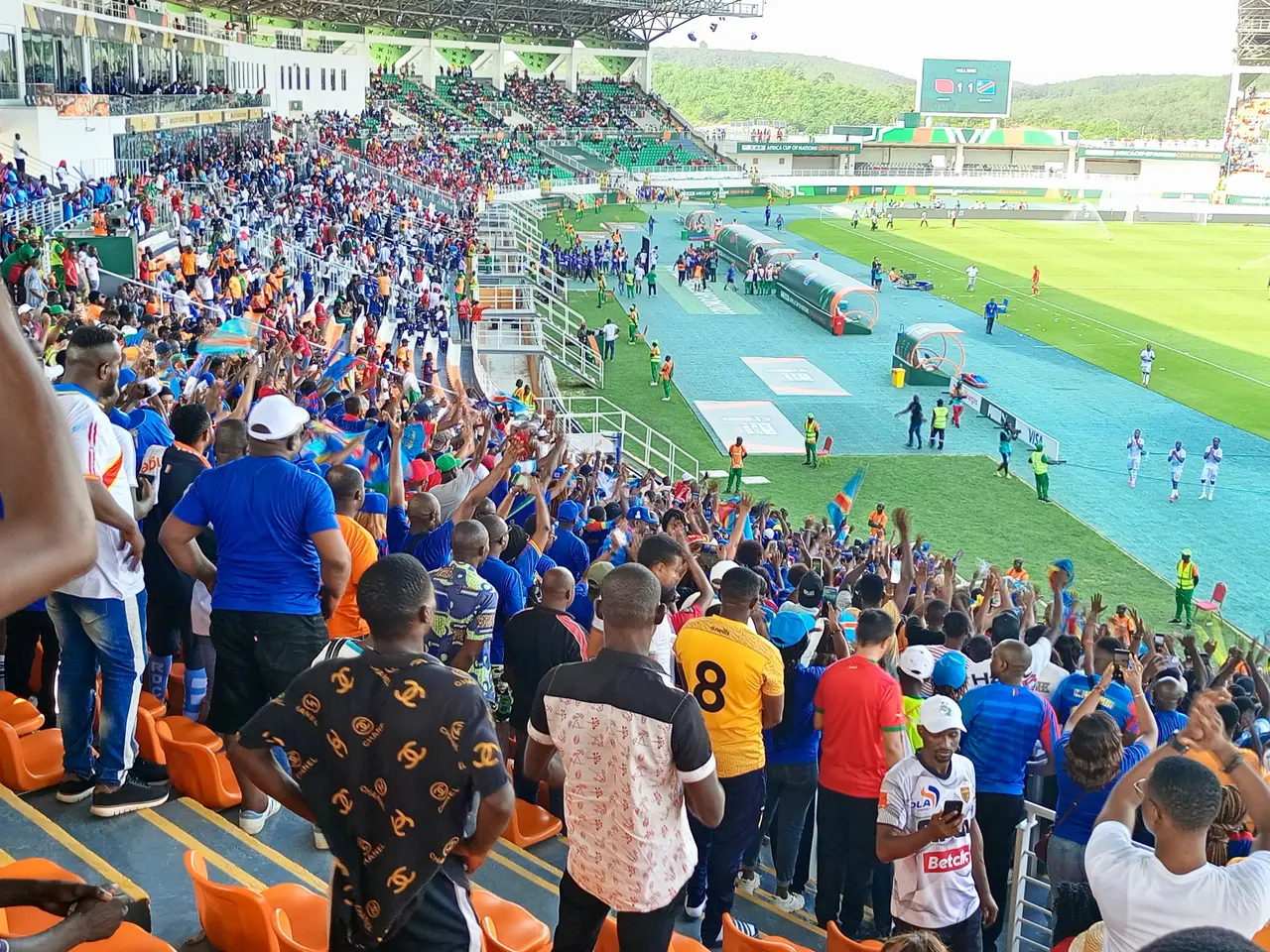
The final itself ended in controversy, with Senegal initially winning 1-0 before being stripped of the title in favour of Morocco by the Confederation of African Football (CAF). The trouble began during the final match in late May. Senegalese fans attempted to storm the pitch, while players walked off in protest after a late penalty was awarded to Morocco. The game ended with a 1-0 victory for Senegal, but CAF later overturned the result and declared Morocco the winner.
Following the unrest, 18 Senegalese supporters were convicted of damaging stadium facilities and violent behaviour. They received prison sentences of up to one year. Some had already served their full terms by the time the pardon was issued.
The fallout from the match also sparked a rise in hate speech against sub-Saharan African residents in Morocco, according to human rights organisations. Despite the tensions, leaders from both countries met shortly after the incident. They reaffirmed their commitment to friendly relations and signed new agreements to expand trade and investment.
Morocco’s royal office stated that the pardon was granted for humanitarian reasons. Officials also cited the long-standing brotherly ties between the two nations as a key factor in the decision.
Senegal, meanwhile, formally appealed CAF’s ruling to strip them of the title. The outcome of that appeal remains pending. The pardon allows the 18 fans to return home, easing one point of friction between the two nations. Both governments have emphasised their intention to move forward with strengthened economic and diplomatic cooperation. The controversy over the match, however, continues as Senegal’s appeal against the title reversal remains unresolved.