Midtown Atlanta's roads see 2,197 crashes in 2025—with pedestrians at highest risk
A new report examining traffic patterns in Midtown Atlanta is raising fresh concerns about safety on some of the city's busiest streets, even as officials point to infrastructure improvements that may be helping reduce risk over time.
The analysis, conducted by Midtown Alliance, found that 2025 marked the highest number of reported crashes in the district since before the pandemic, with approximately 2,197 total incidents - including 436 involving injuries.
That averages out to roughly six crashes per day, with at least one resulting in injury. "While total crash counts have risen alongside growing numbers of people in the district... opportunities exist to reduce this number," the report notes.
In fact, when adjusted for population and activity levels, crash rates per person remain lower than they were before the pandemic, suggesting some safety gains may still be holding.
Driver behavior emerges as key factor
Across more than 2,000 crash reports analyzed, speeding and inattentive driving were cited as contributing factors in nearly every case, according to the report.
Common issues included: - Running red lights - Turning from the wrong lane - Ignoring traffic signals - Aggressive driving maneuvers
Transportation experts say those behaviors significantly increase the likelihood of serious injuries, especially for pedestrians and cyclists.
Where crashes are happening
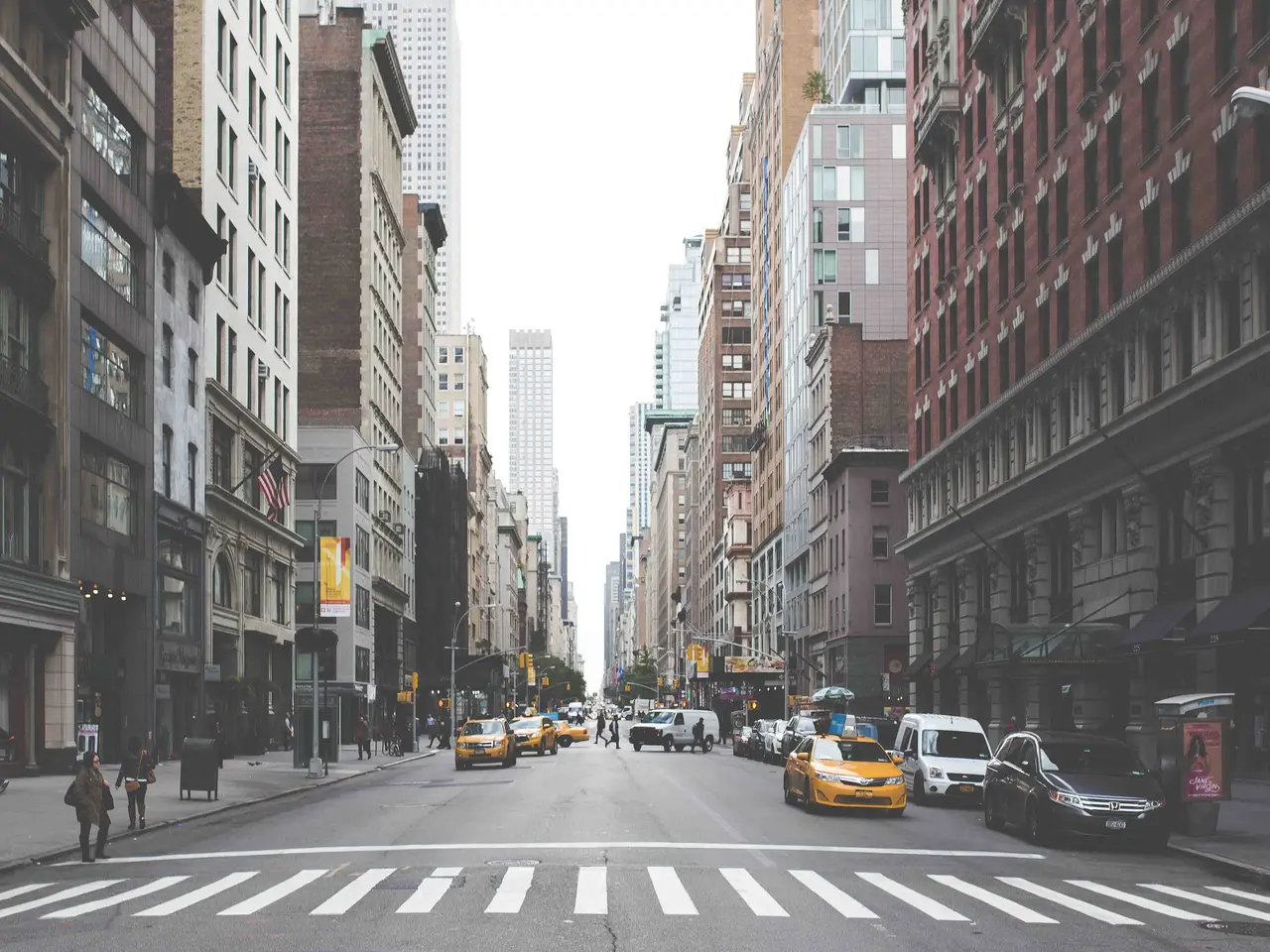
The report found crashes are concentrated along Midtown's busiest corridors, particularly major east-west and north-south routes, including: - 14th Street, 10th Street, and North Avenue - Peachtree Street, Spring Street, and West Peachtree Street
These areas tend to carry higher traffic volumes and faster-moving vehicles - factors that increase both crash frequency and severity.
Nearly 20% of all crashes in 2025 resulted in injuries, with the most serious incidents often occurring along those same high-volume corridors.
Growing concern for pedestrians and cyclists
The report also highlights a troubling trend: crashes involving people outside of vehicles are increasing.
In 2025, there were 116 crashes involving pedestrians, cyclists, scooter riders, and others, making up about 5.3% of all incidents - up from 3.2% in 2021.
Of those crashes, nearly 70% resulted in injuries, underscoring the vulnerability of those traveling without a vehicle.
Researchers note these numbers may actually be underreported, as some incidents - particularly those involving minor injuries - are never officially documented.
Signs of progress - and limits
Despite the increase in total crashes, the report points to several infrastructure improvements that appear to be making a difference.
At intersections where safety upgrades have been implemented - including new traffic signals, protected bike lanes, and shorter crossing distances - some types of crashes have been reduced or eliminated.
One example cited: changes at Spring Street and 4th Street, where signal upgrades have eliminated certain angle crashes in recent years.
Still, the report emphasizes that infrastructure alone is not enough.
A broader approach to safety
The findings align with what transportation officials call a "Safe System Approach," which focuses on designing roads that account for human error and reduce the likelihood of fatal outcomes.
That includes: - Lower speed limits - Protected bike lanes - Improved crosswalks - Restrictions like no right-turn-on-red
The report concludes that a combination of better street design, policy changes, and enforcement will be necessary to improve safety in Midtown.
Looking ahead
Midtown Alliance says it plans to continue tracking crash data and evaluating how ongoing projects - including new bike lanes and redesigned corridors - affect safety outcomes.
As Atlanta continues to grow, the report frames the issue as both urgent and solvable.
"Each crash represents a compounding series of failures," the report states, adding that coordinated efforts can help reduce both the number and severity of incidents.