Colorado gas prices surge to $4.13 as global tensions drive crude oil near $100
Gas prices in Colorado jumped significantly early this week as international oil markets continued to be roiled due to the war with Iran and the standoff in the Strait of Hormuz.
"I don't know if anyone really can budget for like uncertainty like this," said driver Colton Davis as he tanked up at a gas station in Denver.
Colorado's average price per gallon reached $4.13 per gallon, a few cents below the national average per gallon.
"Colorado is relatively competitively situated. We tend to be just below the national average," explained AAA's regional director of public affairs Skylar McKinley. "We have ready supply of Canadian crude oil that we can refine here in Colorado, so we're less prone to the vagaries of fuel coming in the Gulf, but an international oil market."
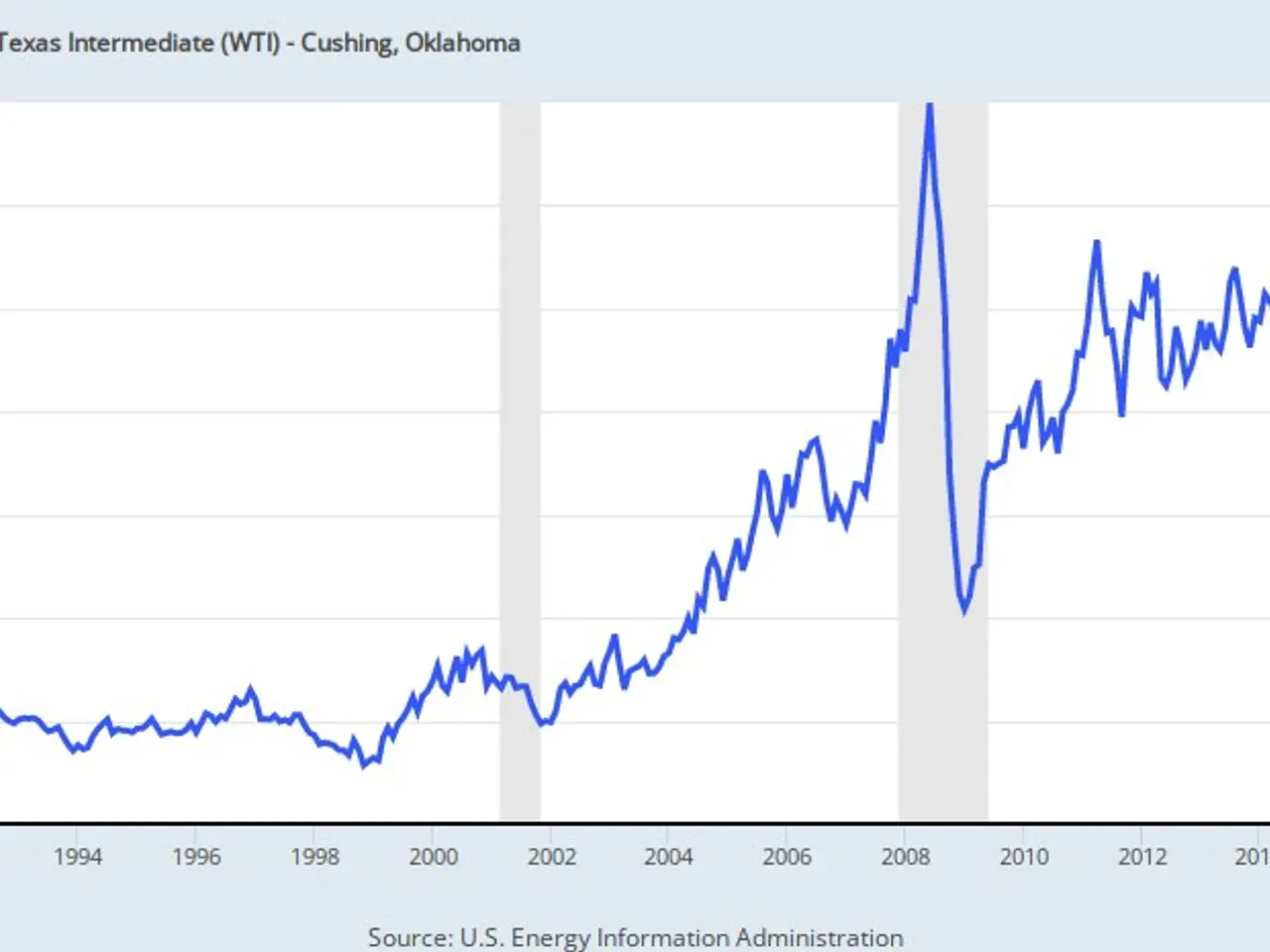
As prices of a barrel of crude oil have reached to about $100, it means a lot of different decisions.
"I'd rather not drive anymore because I'd rather just do remote at home instead of driving," said a driver named Shea.
The average two-driver household will pay about $70 more per month than a year ago, according to the non-partisan Brookings Institution. According to the institution's research, it will mean spending about 5% more of post-tax income on gasoline for households is the lowest-earning income quartile.
While oil companies are posting higher earnings, said McKinley, local retailers are simply passing on price hikes they wish were not there.
"You should remember that gas station owners don't want to charge you a lot for gas. The market incentive for them is to have low, low gas prices to get you to come in the store and buy something which has higher margins. This is how gas has always operated. So, they bring their price down as soon as they can," McKinley said.
But that could take a while. Prices, notes McKinley, are said to rise like a rocket and fall like a feather.
"There will have to be several sustained weeks of new suggestive of peace coming out of the Middle East before we start to see that bear out," he explained.
If higher prices continue it could mean people backing out on summer travel and other discretionary spending. The Brookings Institution notes there could be an impact on midterm elections, sharing, "The average constituent of a current Republican House member drives 26% more than the average constituent of a Democratic member."