India Rejects Russian LNG Tanker Amid US Sanctions Tensions
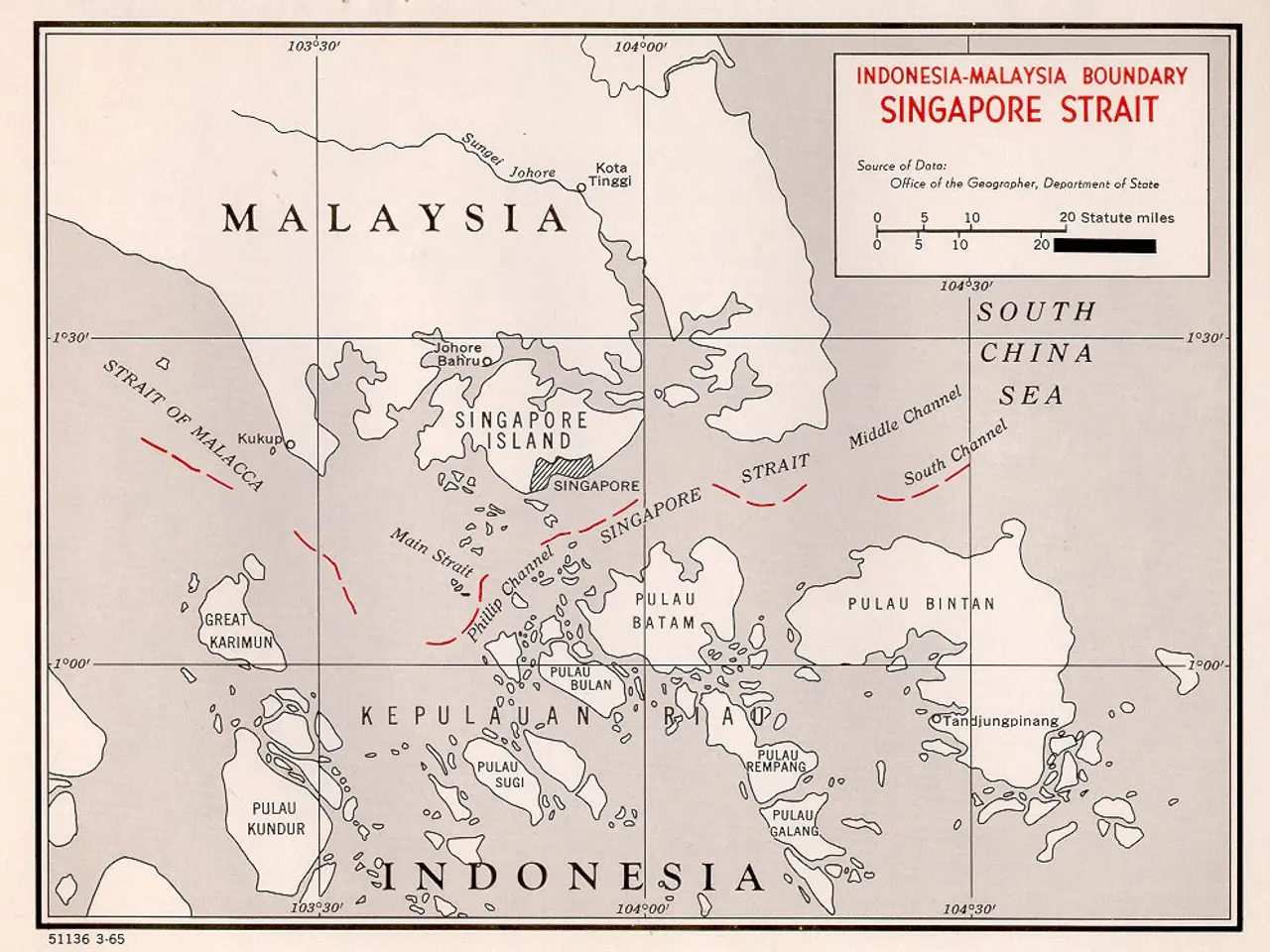
A Russian LNG tanker carrying 138,200 cubic metres of gas has been left stranded near Singapore after India refused delivery. The rejection came during a visit by Russian Deputy Energy Minister Pavel Sorokin, highlighting tensions over US sanctions. The tanker, named Kunpeng, was originally bound for India’s Dahej terminal. But after India declined the shipment, it was left without a confirmed destination. The refusal followed US sanctions imposed in January on Russia’s Portovaya LNG plant and Arctic LNG 2 project.
India remains the largest buyer of Russian seaborne crude, operating under a temporary waiver. However, LNG cargoes are harder to disguise, making them riskier under sanctions. Earlier this year, Russia and India had discussed resuming direct LNG deliveries in long-term energy talks led by Sorokin and India’s Oil Minister Dharmendra Pradhan.
The rejection comes as global gas supplies tighten due to disruptions in Middle East shipping routes. While India continues purchasing Russian crude, unsanctioned LNG shipments remain bound by pre-existing contracts. The stranded tanker reflects the challenges of trading Russian LNG under US restrictions. India’s decision underscores the difficulties in maintaining energy ties while navigating sanctions. The situation adds pressure to an already constrained global gas market.