Germany rejects highway speed limits despite IEA's fossil fuel warnings
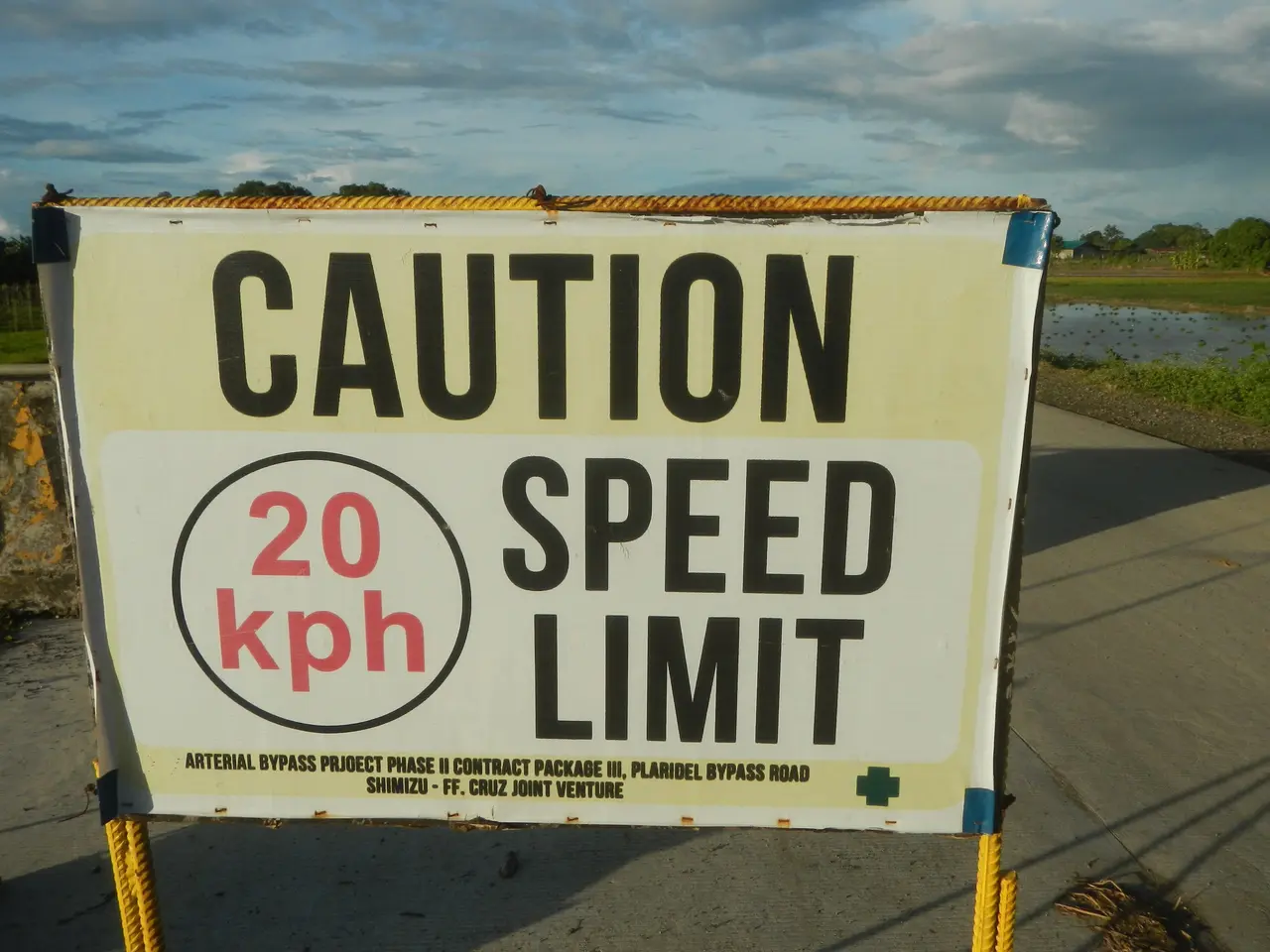
Germany’s Transport Minister Patrick Schnieder has dismissed calls to lower highway speed limits. The move comes after the International Energy Agency (IEA) urged governments to cut fossil fuel demand. Schnieder argued that the state should not dictate behaviour like a nanny. The IEA proposed a range of short-term measures to reduce oil and gas use. These include expanding public transport, promoting electric vehicles, and supporting heat pumps for low-income families. The agency also suggested modern electric stoves as an alternative to gas-powered ones.
Schnieder, however, rejected the idea of a blanket speed limit. He insisted that citizens should rely on common sense to save fuel. While he did not rule out stricter steps—such as driving bans or car-free Sundays—he stressed that each option must be carefully considered.
The minister’s stance reflects a preference for personal responsibility over government intervention. His comments signal reluctance to adopt the IEA’s broader recommendations without further review. For now, Germany will not introduce a general speed limit on highways. Schnieder’s approach leaves fuel-saving decisions in the hands of drivers. The debate over stricter measures, however, remains open for future discussion.